Hidden · United States
Little-known places in the USA
Forts, ruins, strange museums and quiet cemeteries: places most visitors skip, with the history behind them and how to get there.
100
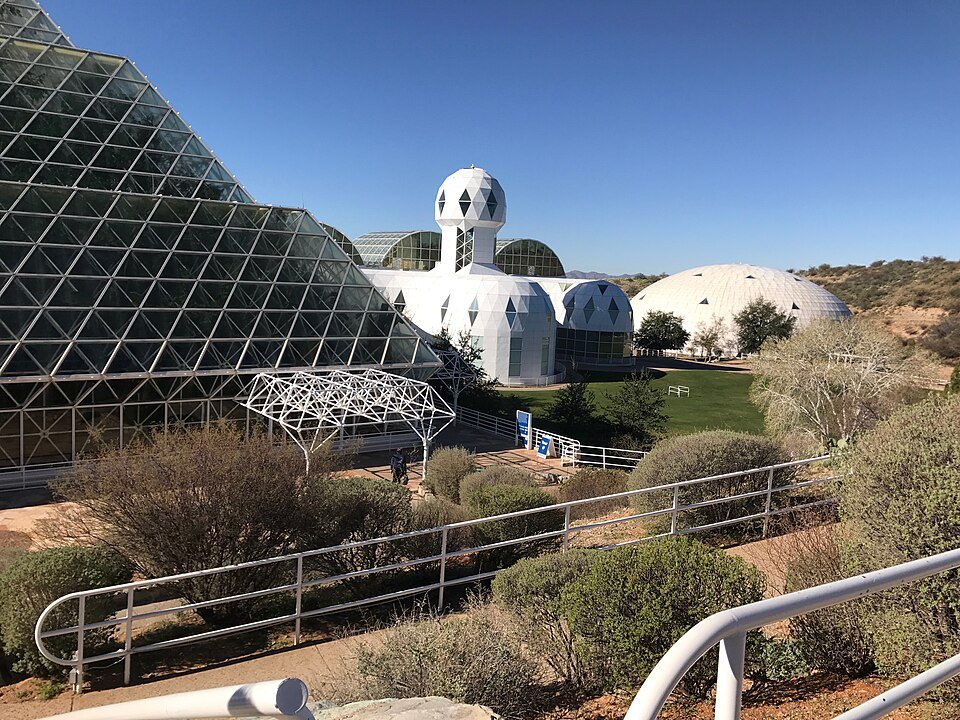
A 3.14-acre glass and steel vivarium at the foot of the Santa Catalina Mountains, built to test whether people could live sealed inside their own ecosystem.
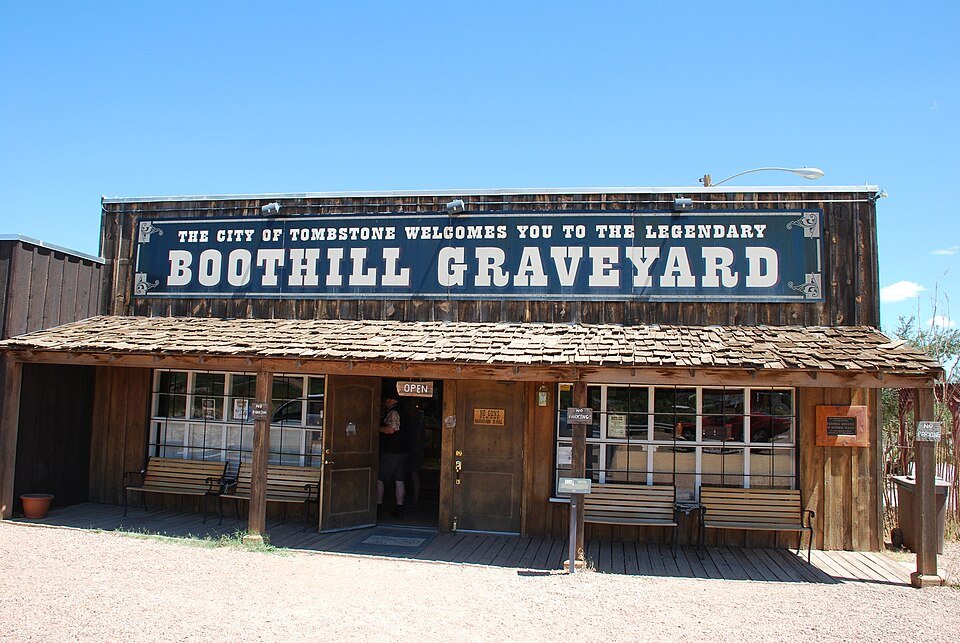
The old city cemetery of Tombstone, Arizona, where more than 300 people are believed to rest and only 205 are on record.
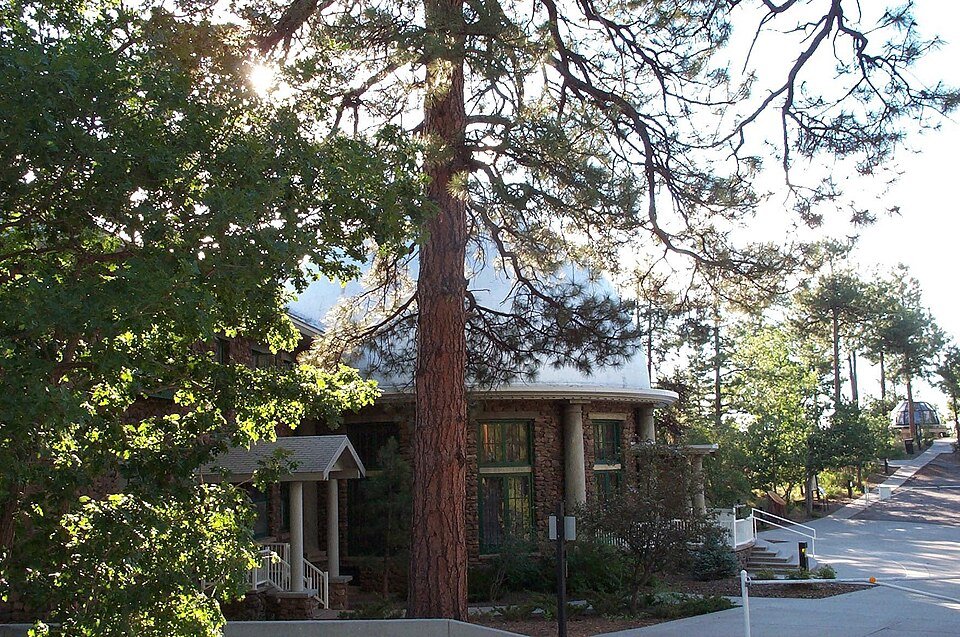
An observatory founded in 1894 in Flagstaff, where Pluto was discovered in 1930 and where a 24-inch refractor from 1896 is still used for public observing.
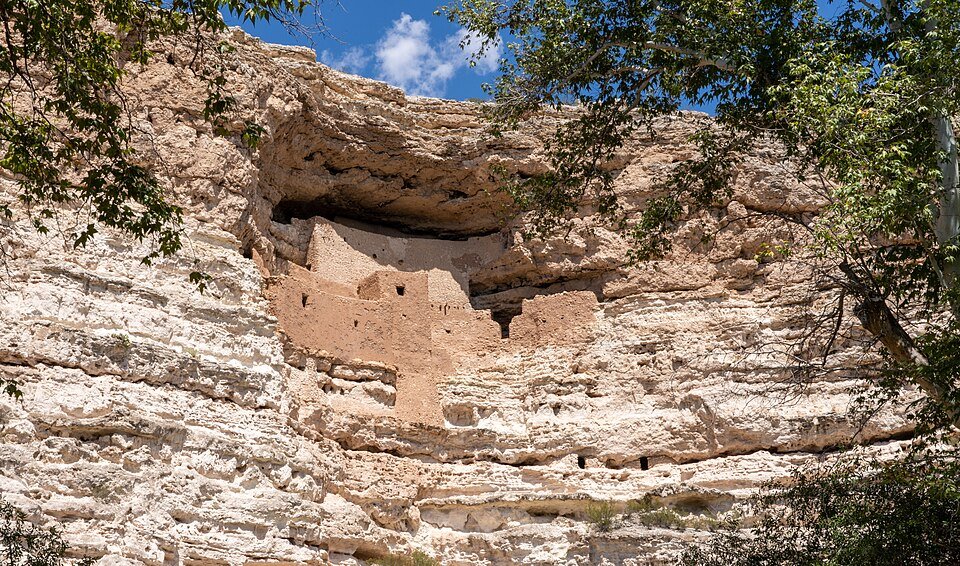
A five-story dwelling tucked into a limestone cliff, built by the Southern Sinagua in the 12th century and named for an Aztec emperor who had nothing to do with it.
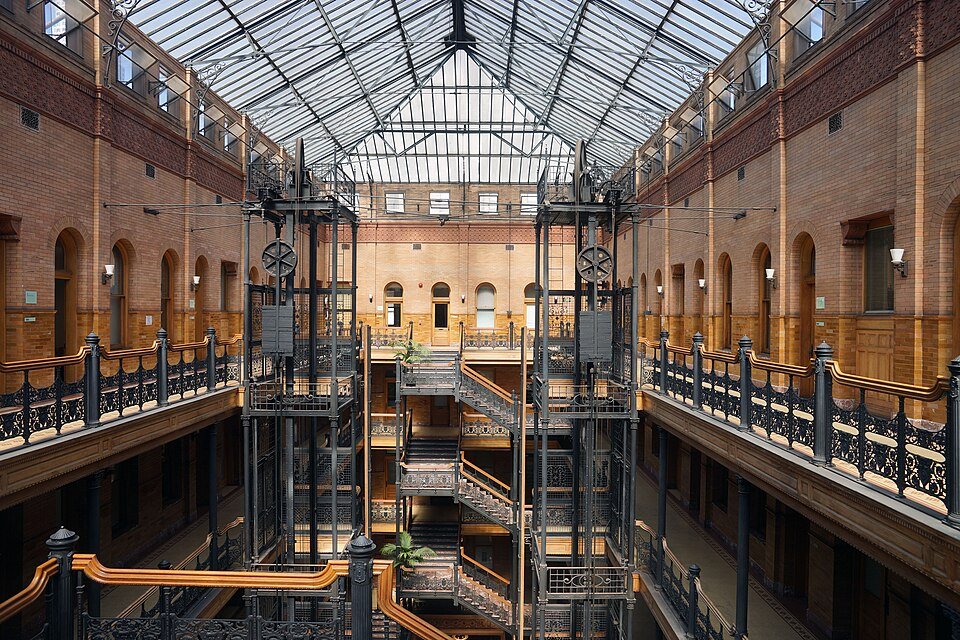
A plain brick office block in downtown Los Angeles with a skylit, five-story court of ironwork and open elevators inside.
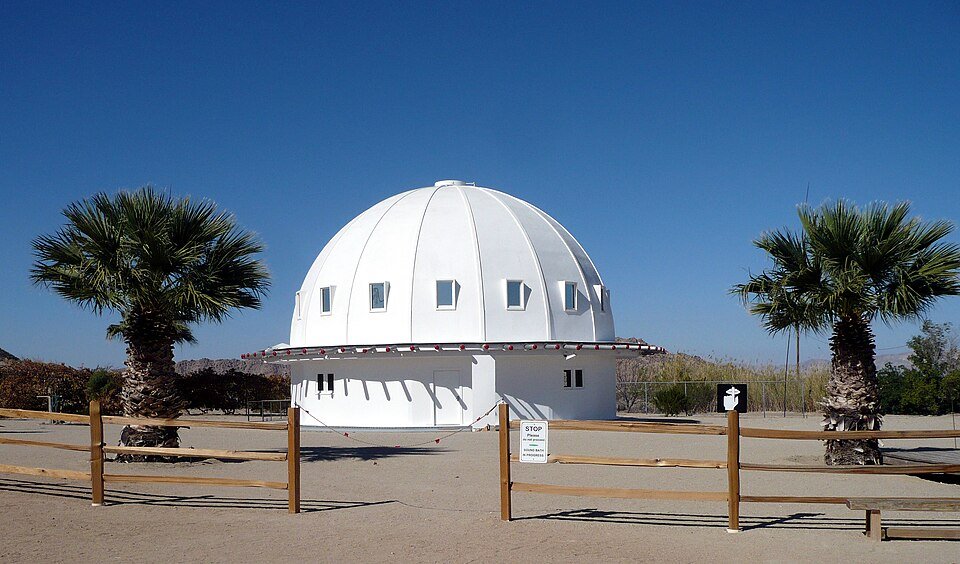
A domed wooden building in the Mojave Desert, built by a man who said visitors from Venus told him how, and now known for its sound baths.
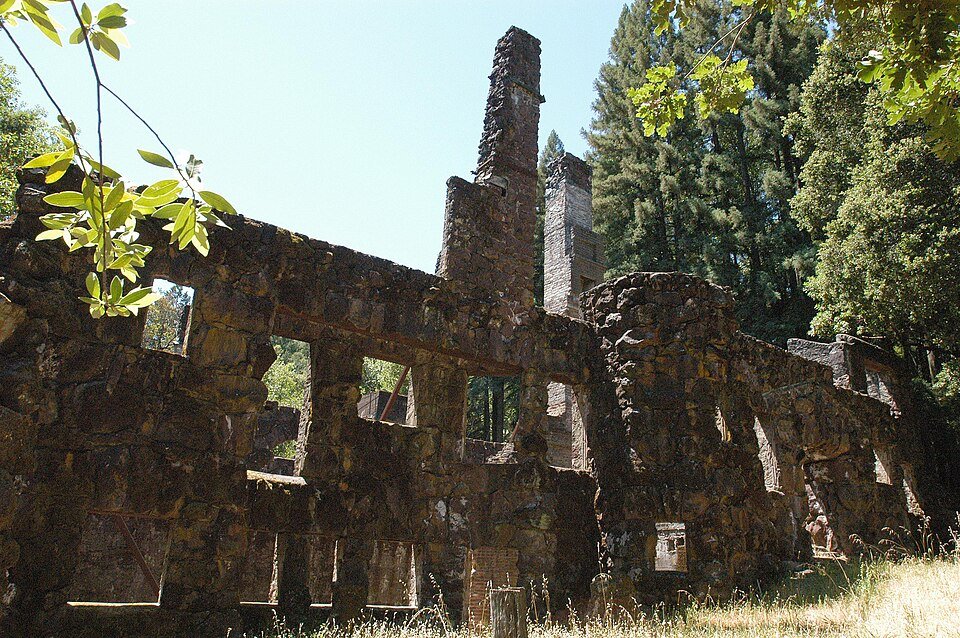
The stone ruins of a dream mansion that burned before its owners could move in, set in a historic park on Sonoma Mountain.
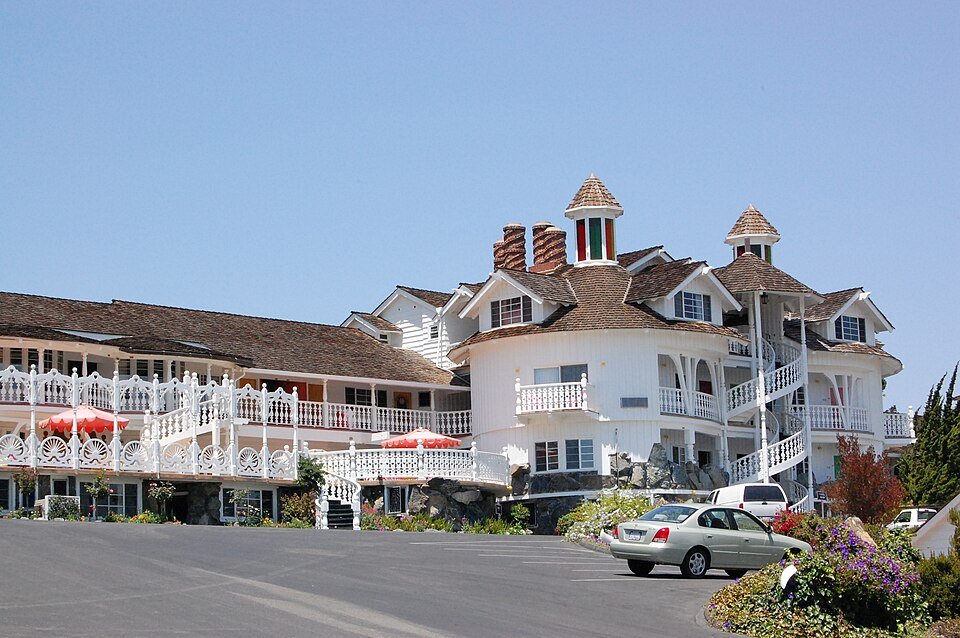
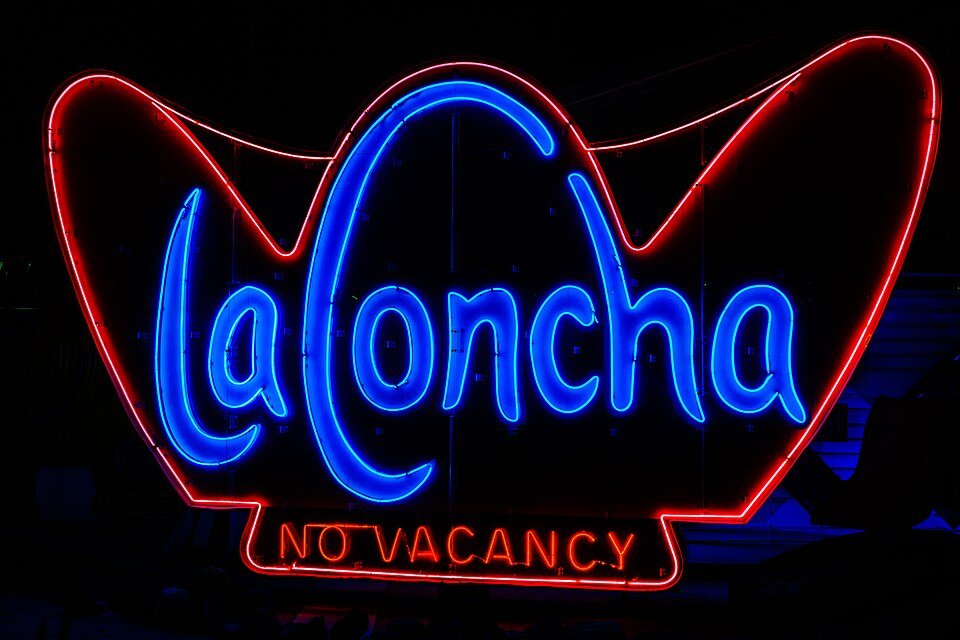
A pink, rock-walled motel on the Central Coast, opened in 1958, where every one of the 110 rooms has its own theme and name.
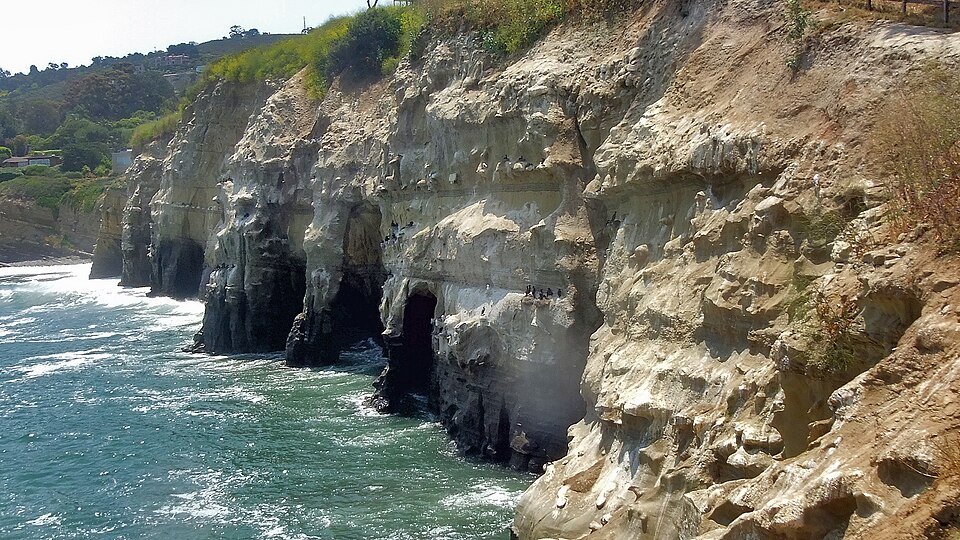
A sea cave in La Jolla reached by a tunnel two workers dug by hand from a house that is now a gift shop.
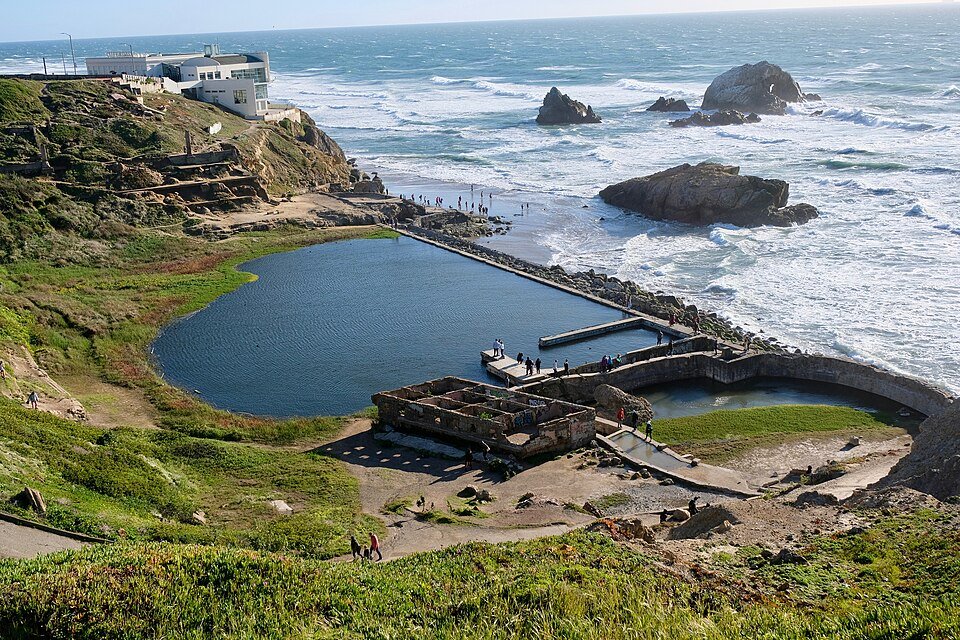
The concrete ruins of a huge saltwater swimming complex on the cliffs of Lands End, burned in 1966 and now part of a national recreation area.
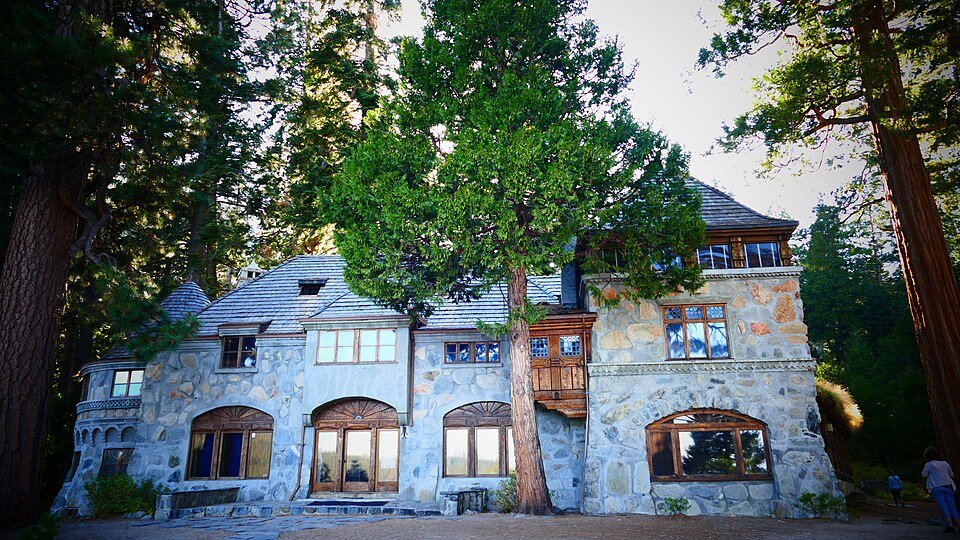
A 38-room Scandinavian-style mansion with sod roofs and carved dragon heads on the shore of Emerald Bay, built as a summer home in 1929.
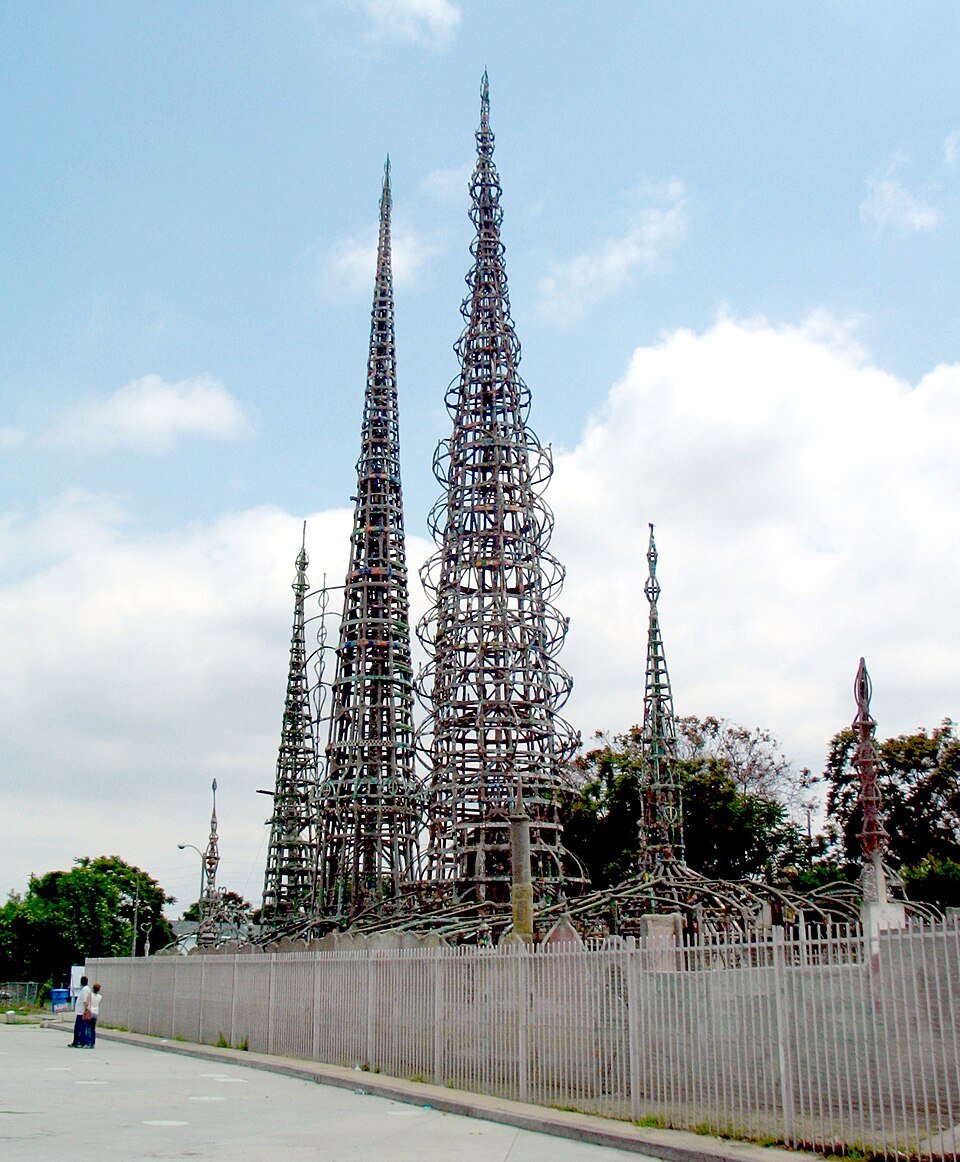
A hand-built group of towers covered in broken tile, glass and shells, made over 33 years by one immigrant tile mason on his own property.
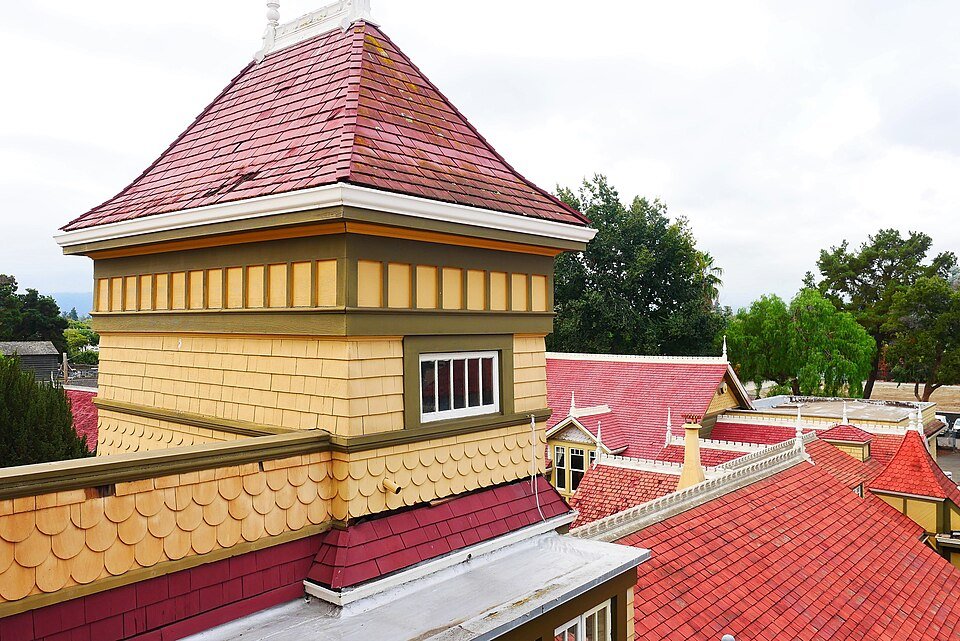
A sprawling Victorian mansion with stairs that stop short and doors that open onto air, planned by a widow herself and wrapped in legends that historians question.
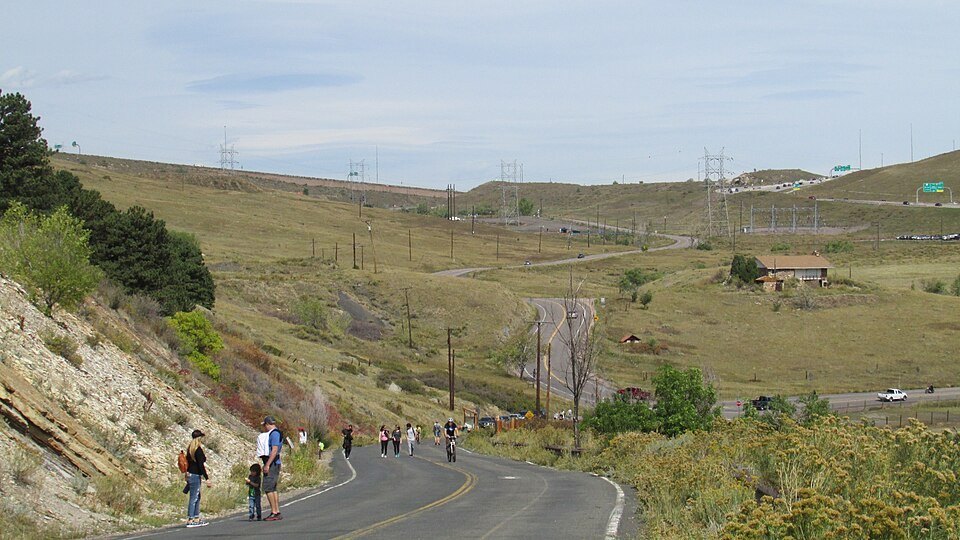
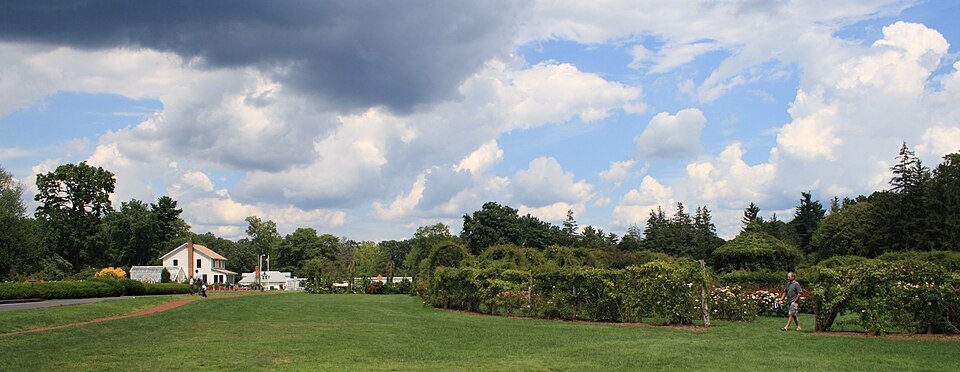
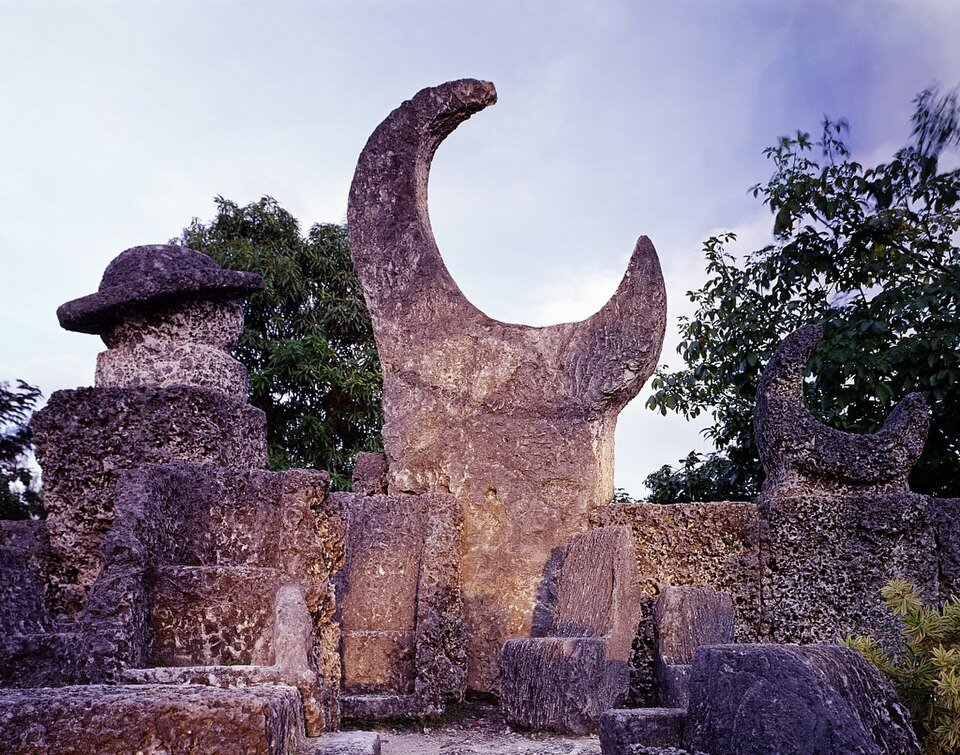
A walled garden of giant carved limestone near Homestead, built by one man who never explained how he moved the blocks.
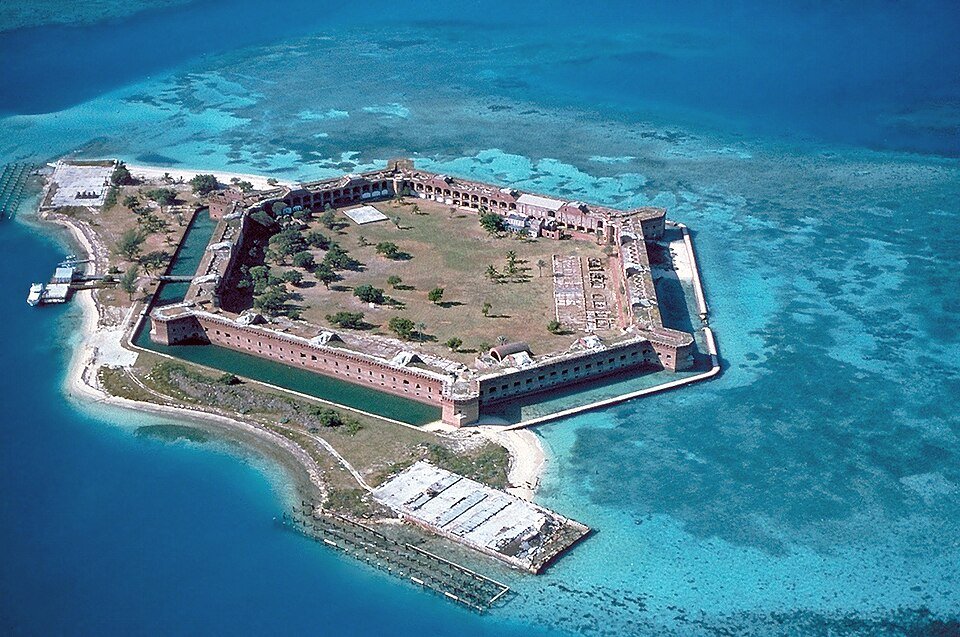
A six-sided brick fortress out in the Gulf, 68 miles west of Key West, built to guard the Gulf and later used as a prison.
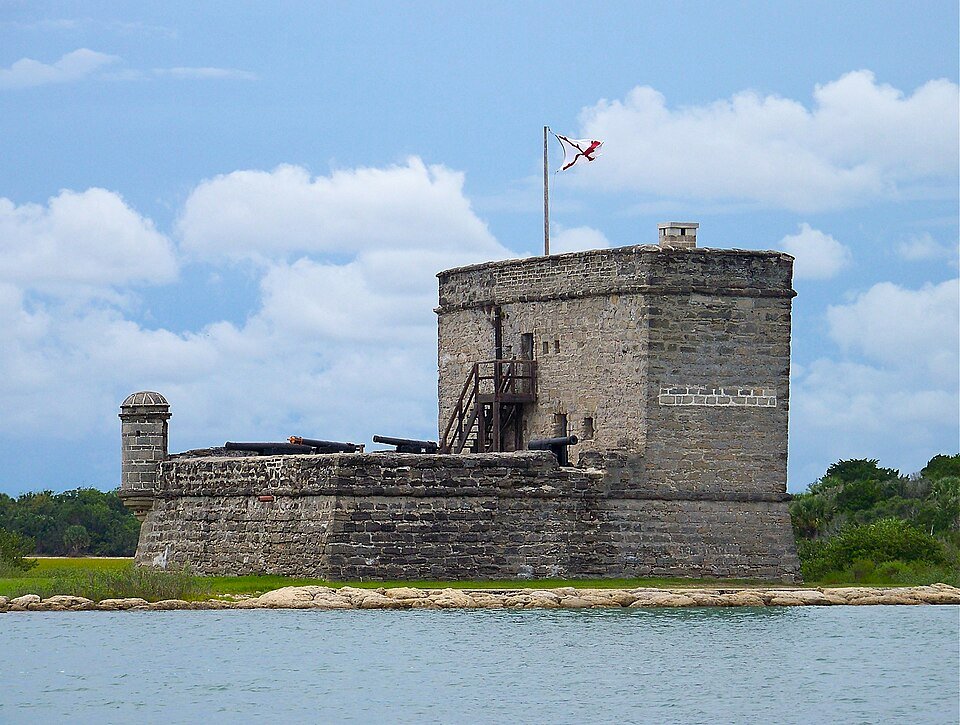
A small coquina watchtower on a marsh island, built by Spain to guard the back door to St. Augustine and reached today by a short boat ride.
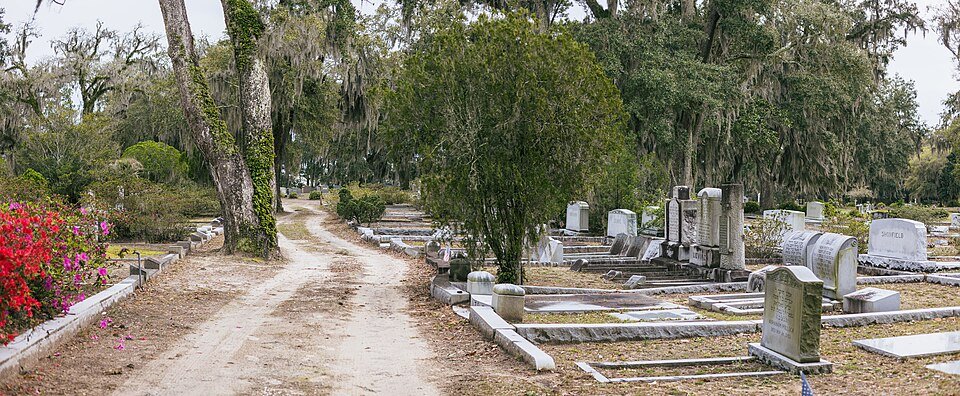
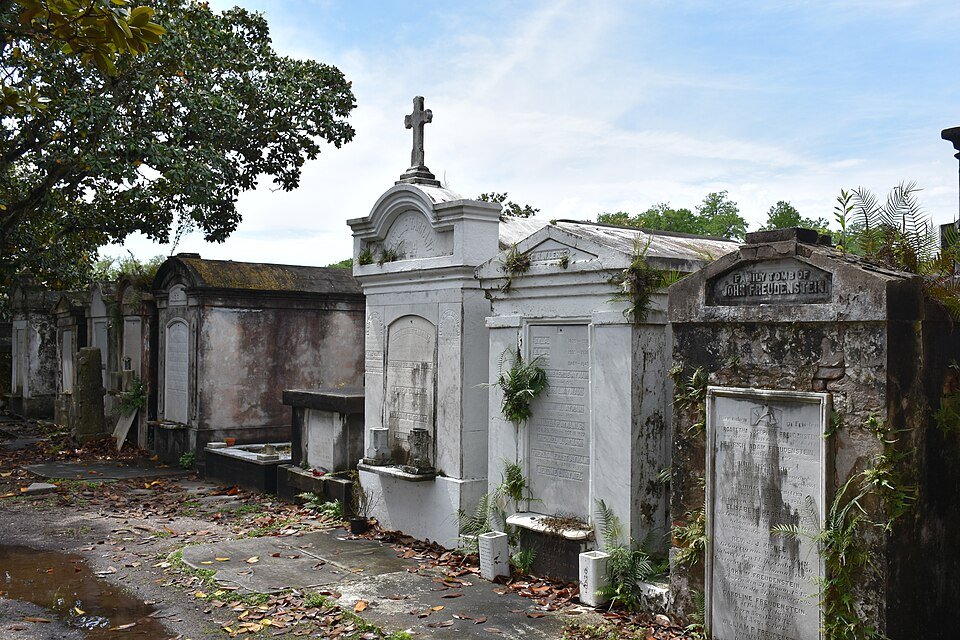
A nearly 160-acre rural cemetery on a bluff above the Wilmington River, shaped by a plantation past and made widely known by a 1994 novel.
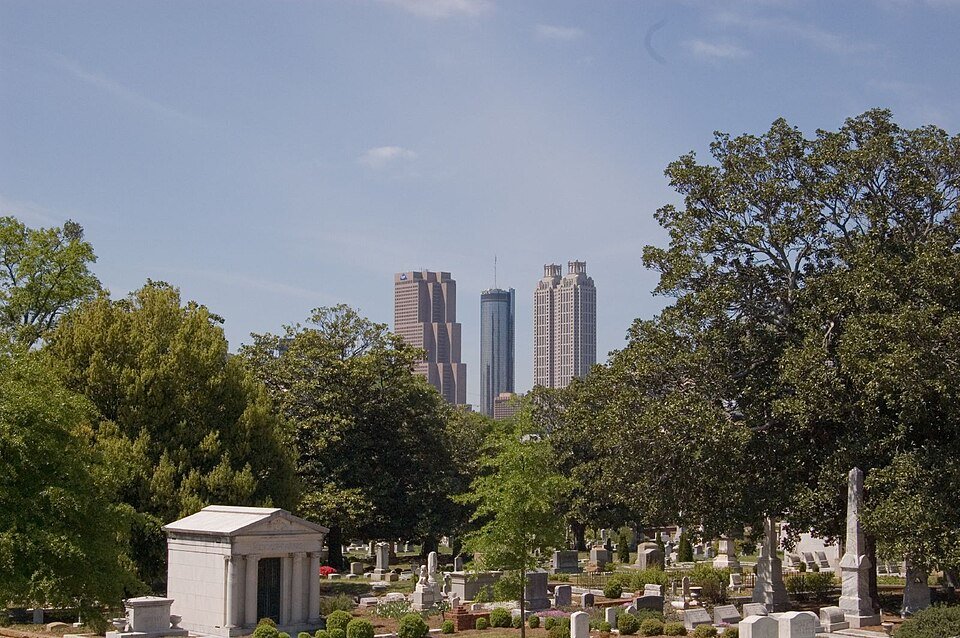
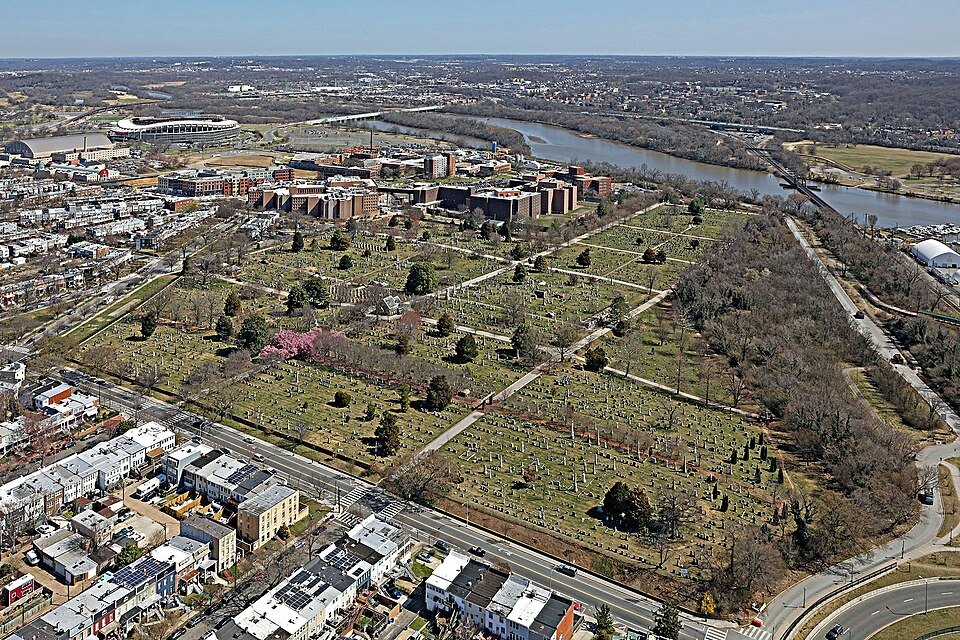
A Victorian garden cemetery that was once on the edge of Atlanta and now sits in the middle of it, with the city's history laid out grave by grave.
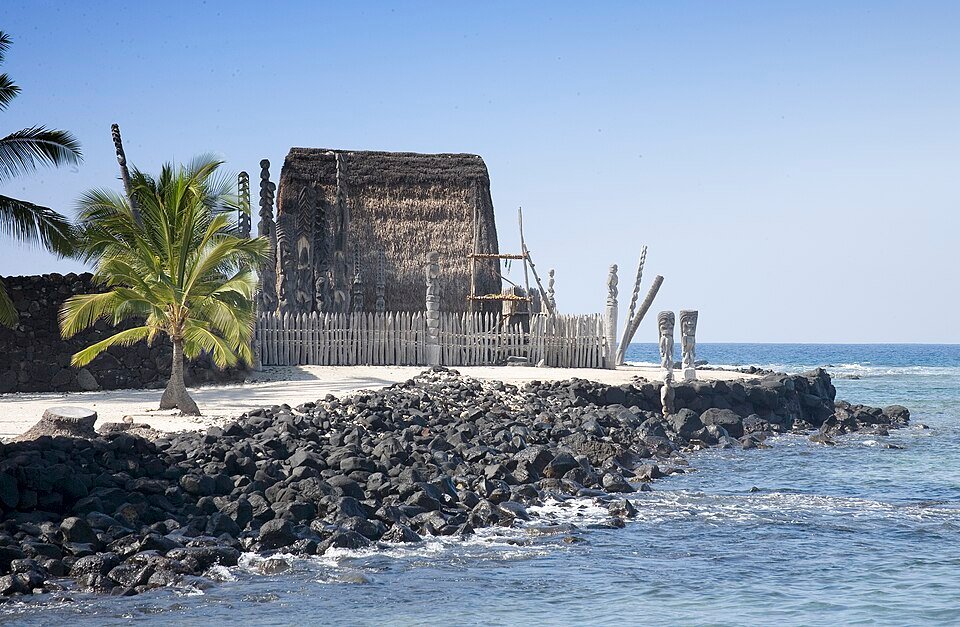
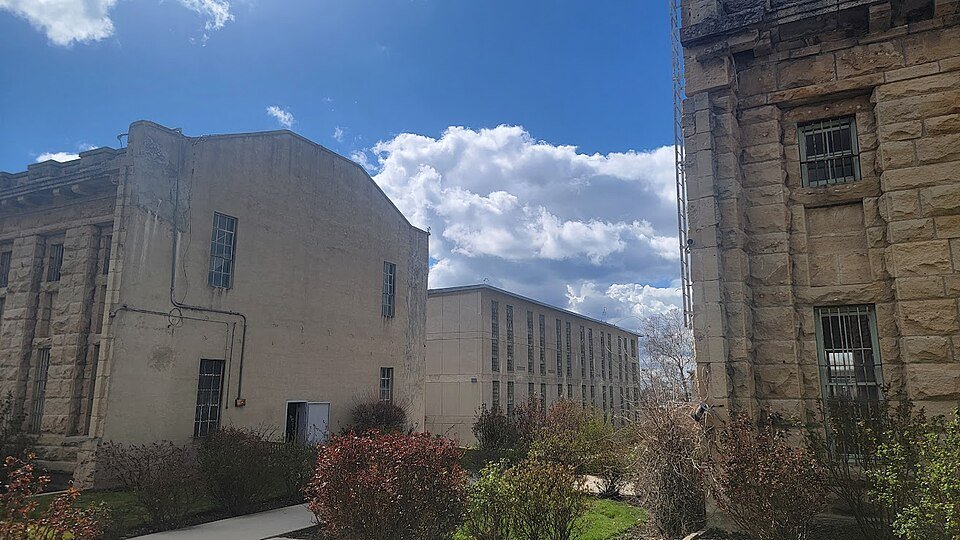
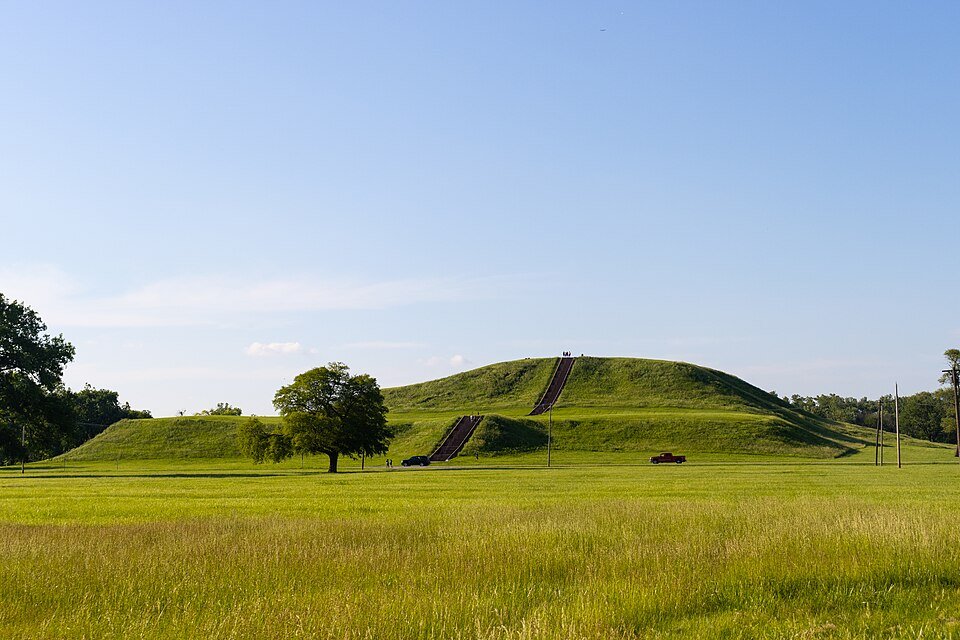
The remains of the largest Native American city north of Mexico, with about 80 earthen mounds just across the Mississippi from St. Louis.
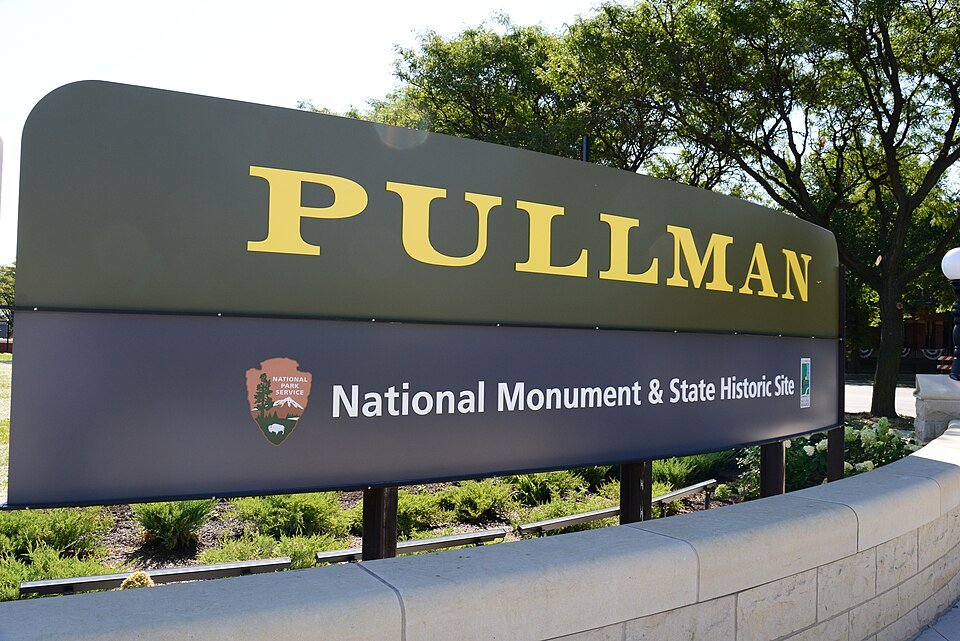
A planned railroad-car company town on Chicago’s far South Side, the setting of the 1894 Pullman strike and of a landmark chapter in Black labor history.
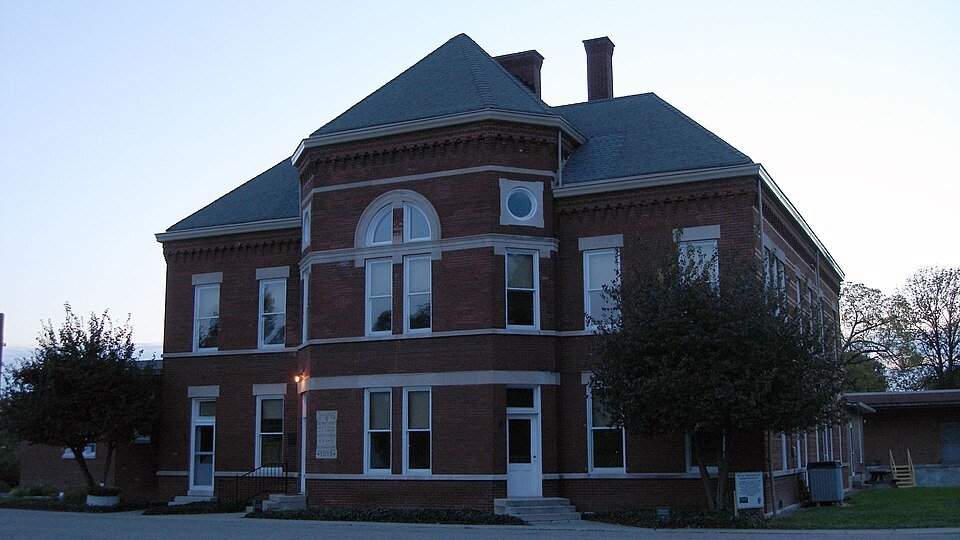
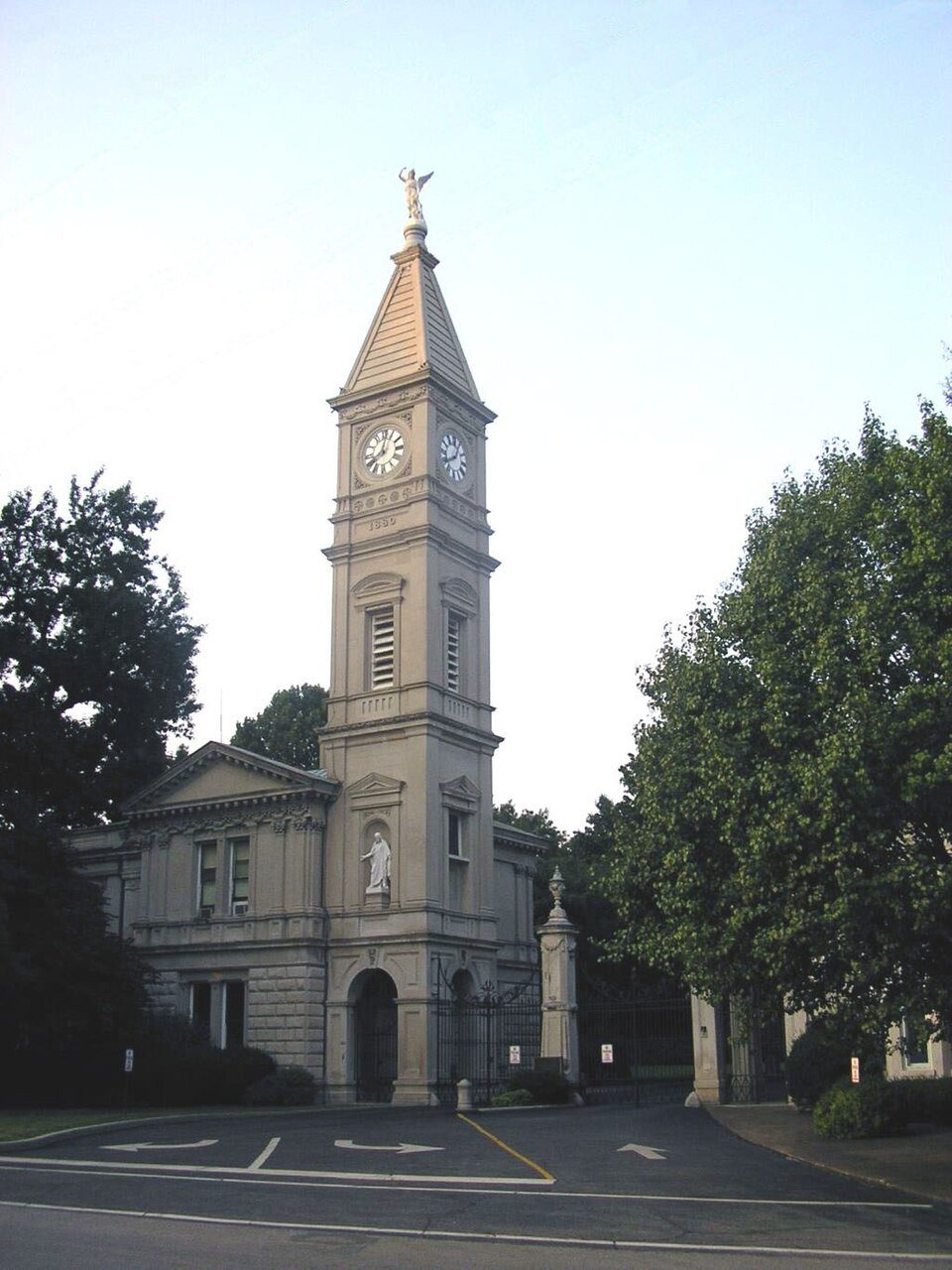
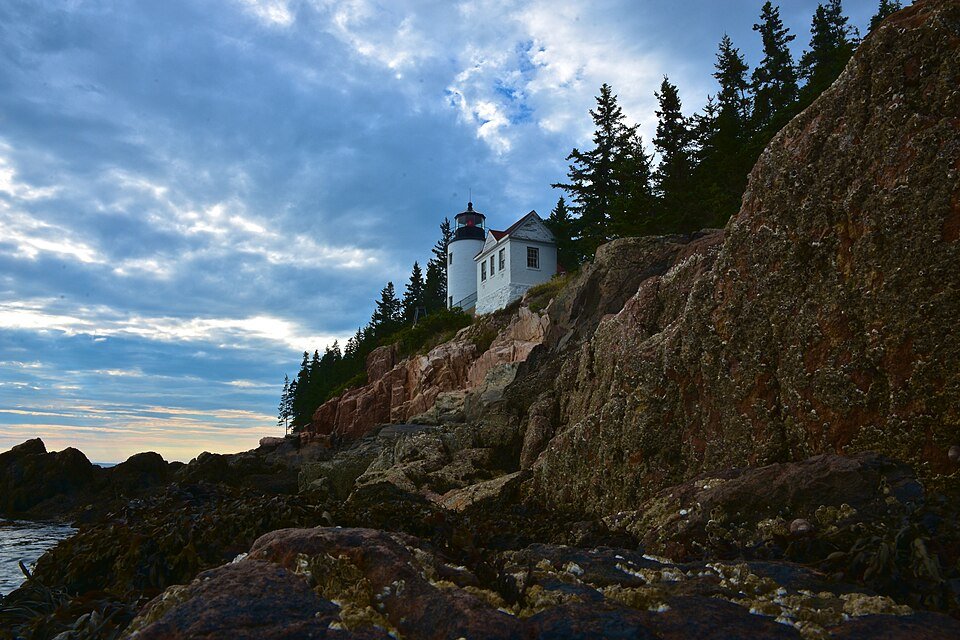
A lighthouse at the entrance to Bass Harbor, inside Acadia National Park, still shining through a French lens installed in 1902.
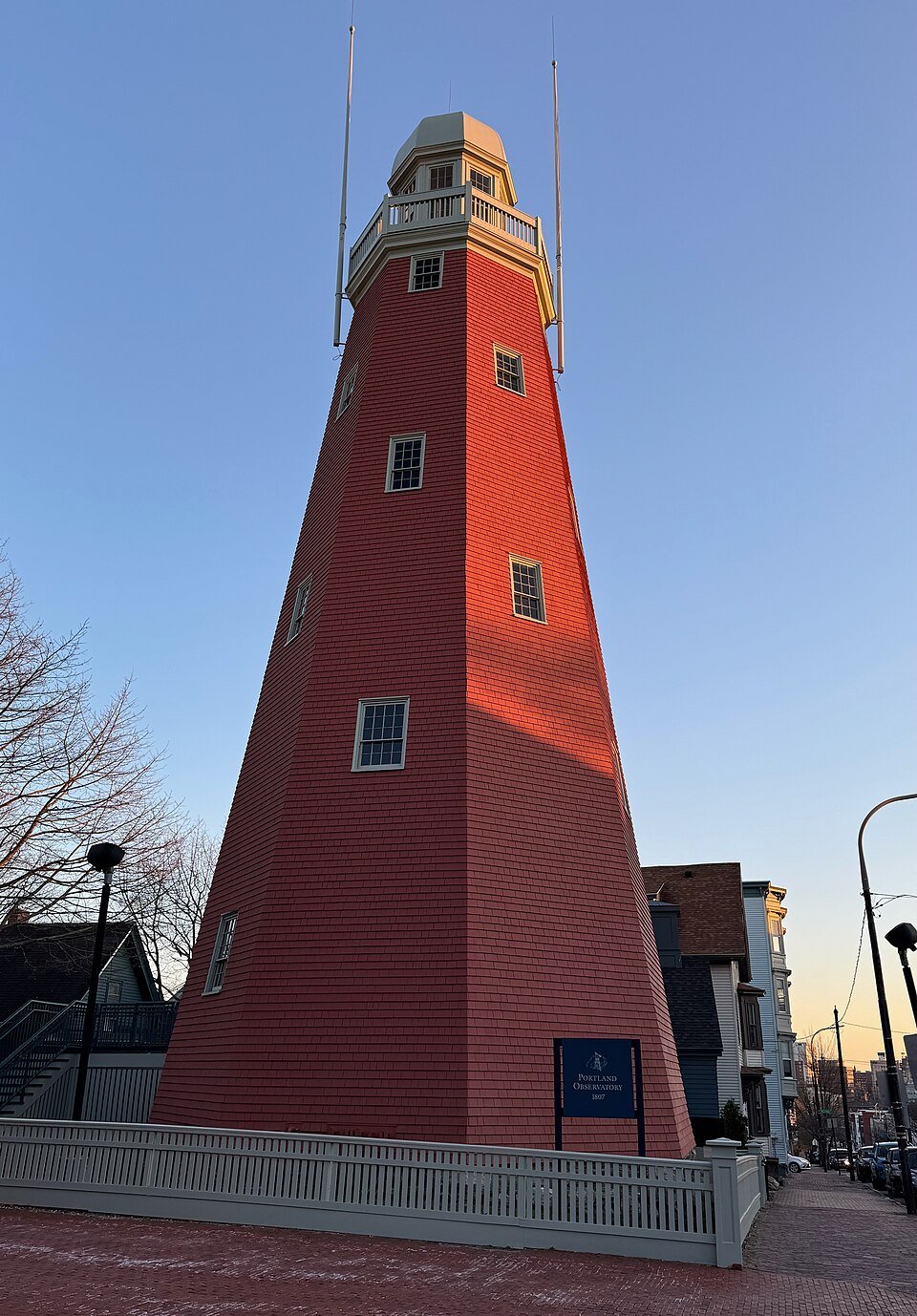
A seven-story octagonal tower from 1807 where a telescope and signal flags let the shore talk to ships long before they reached the docks. It is the last of its kind.
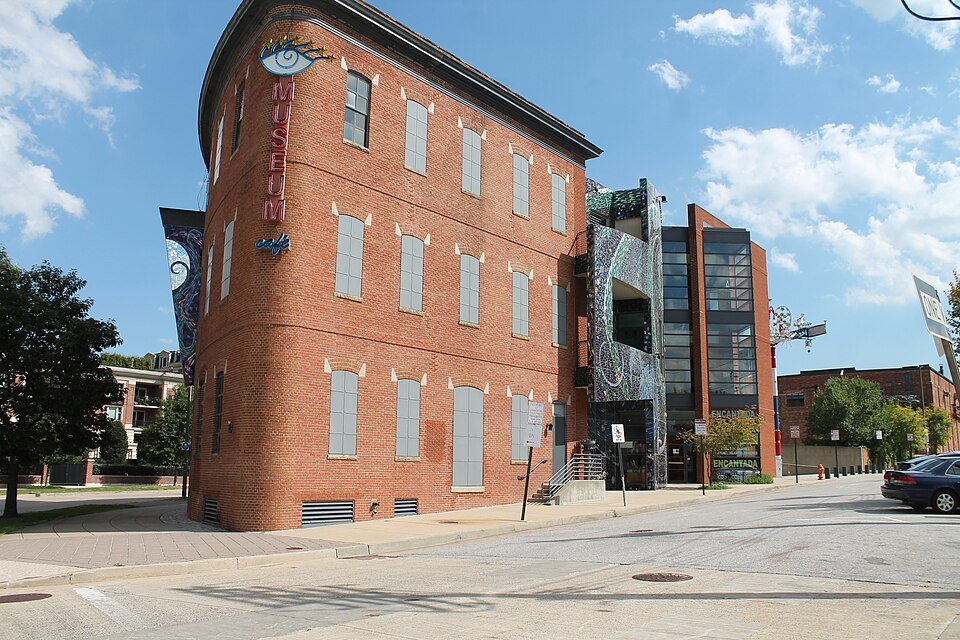
A museum on the south shore of the Inner Harbor devoted to self-taught artists, with no staff curators and a campus of mosaic walls, a tall sculpture barn and colorful outdoor sculptures.
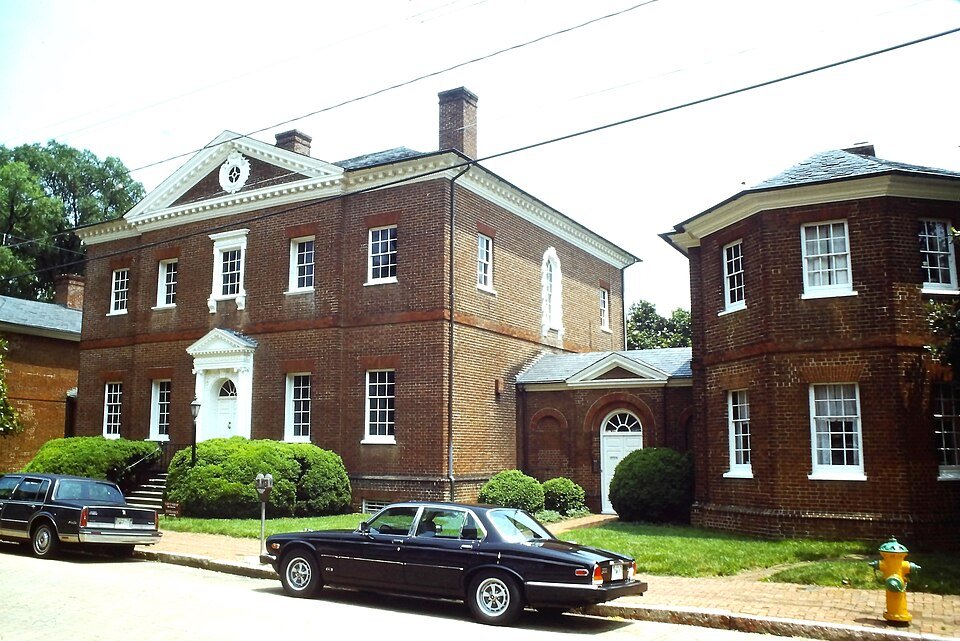
A brick colonial mansion in Annapolis, designed from a plate in Palladio’s Four Books of Architecture and now run as a house museum.
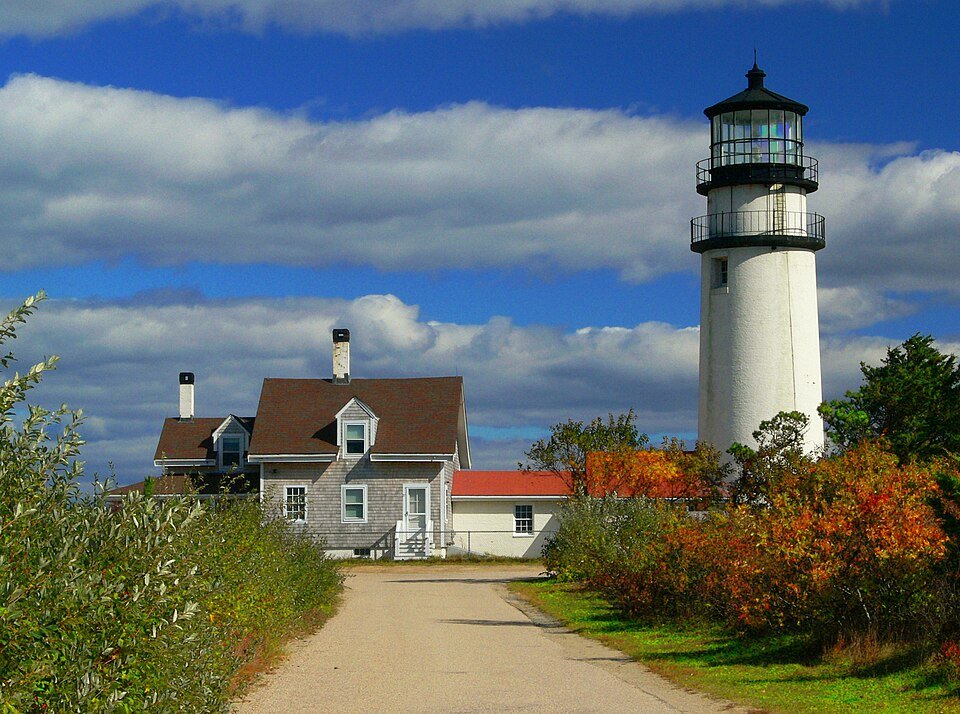
The oldest and tallest lighthouse on Cape Cod, a brick tower in Truro that was moved back from an eroding cliff in 1996.
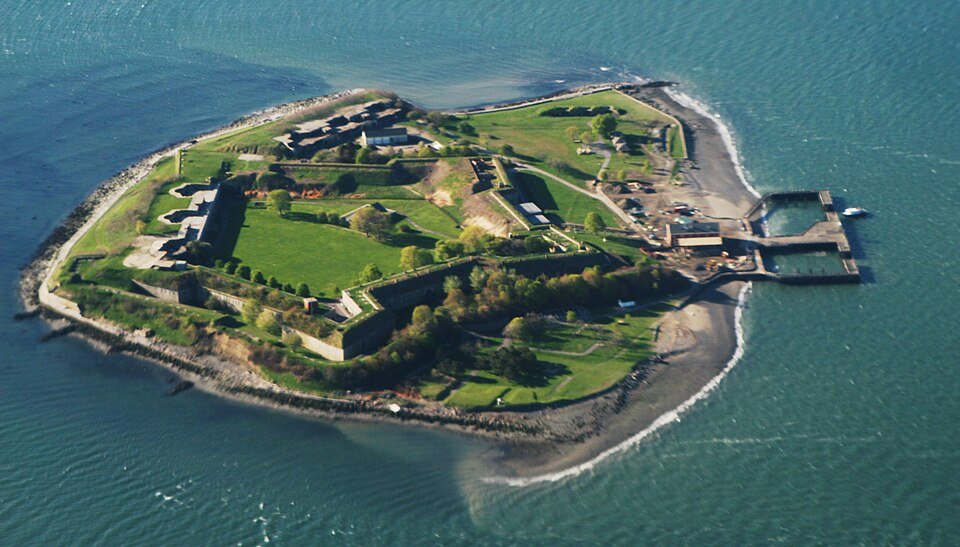
A pentagonal granite fort on an island at the mouth of Boston Harbor that held Confederate prisoners and where a famous Civil War song was written.
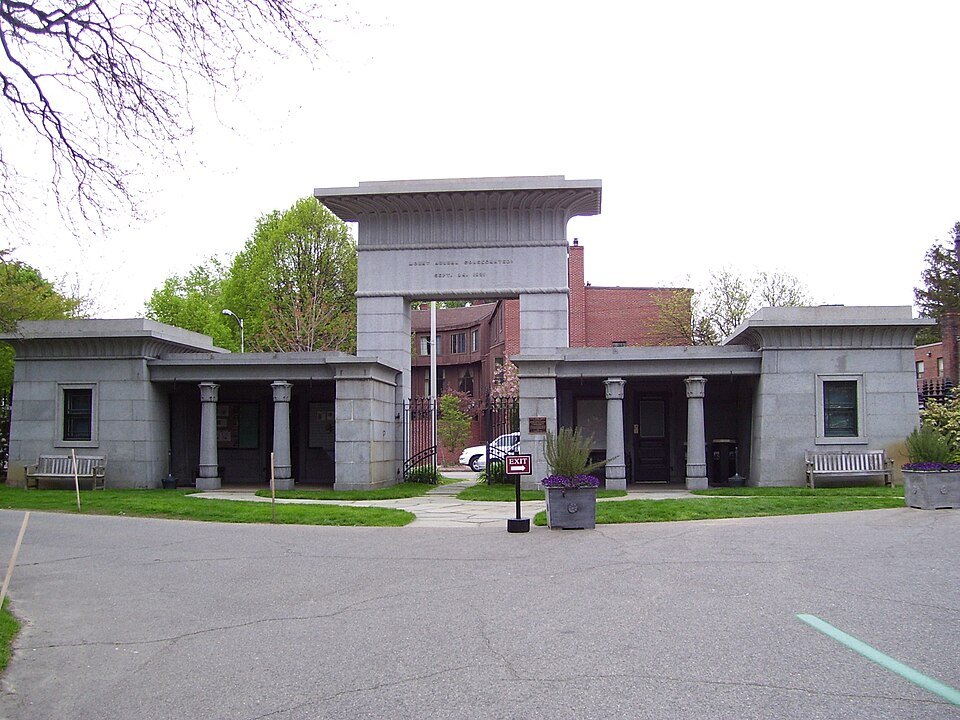
The first rural, or garden, cemetery in the United States: a landscaped hillside of trees, ponds and monuments that became a model for American public parks.
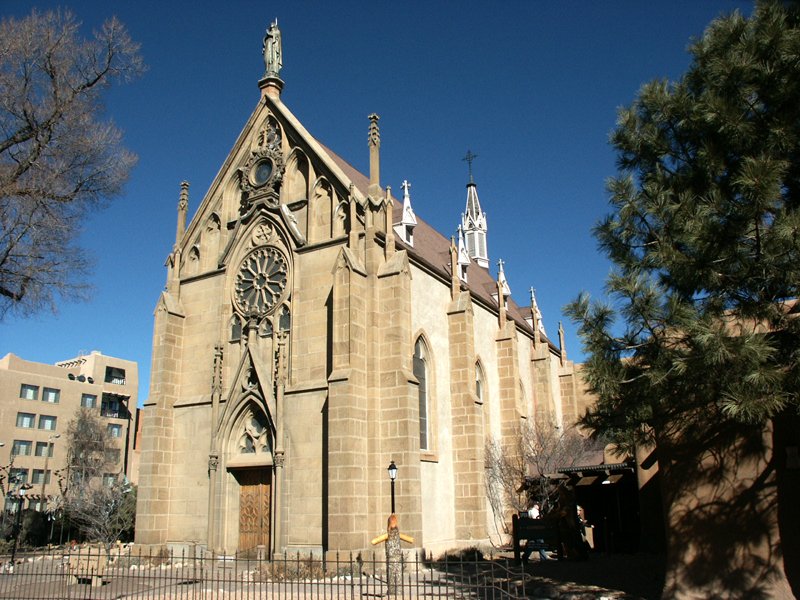
A Gothic Revival chapel in Santa Fe with a two-turn wooden spiral stair that has no central support and a story its owners called a miracle.
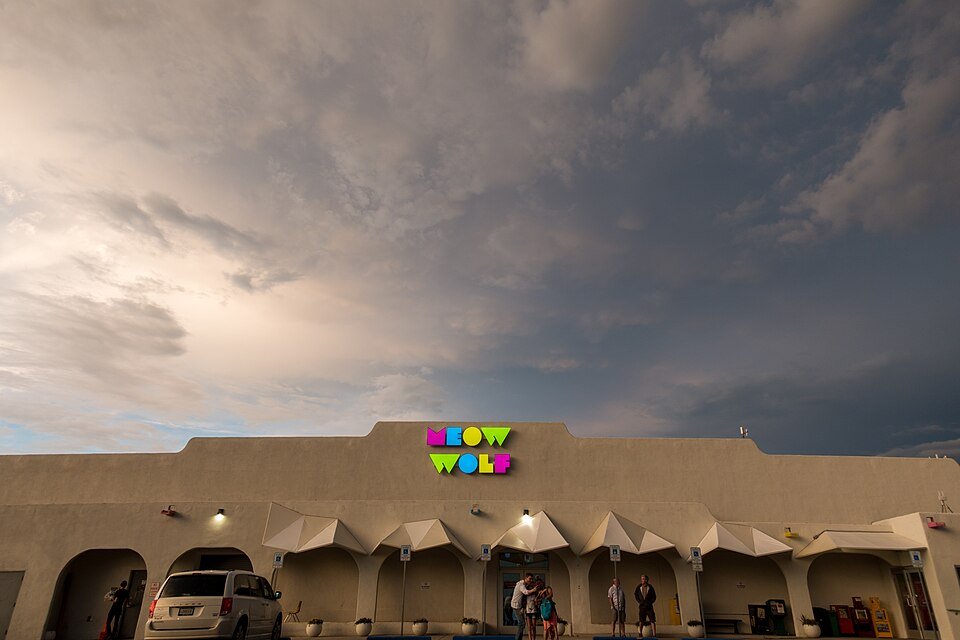
A former bowling alley in Santa Fe rebuilt as a walk-through art installation by a collective that made its name with a ship in a gallery.
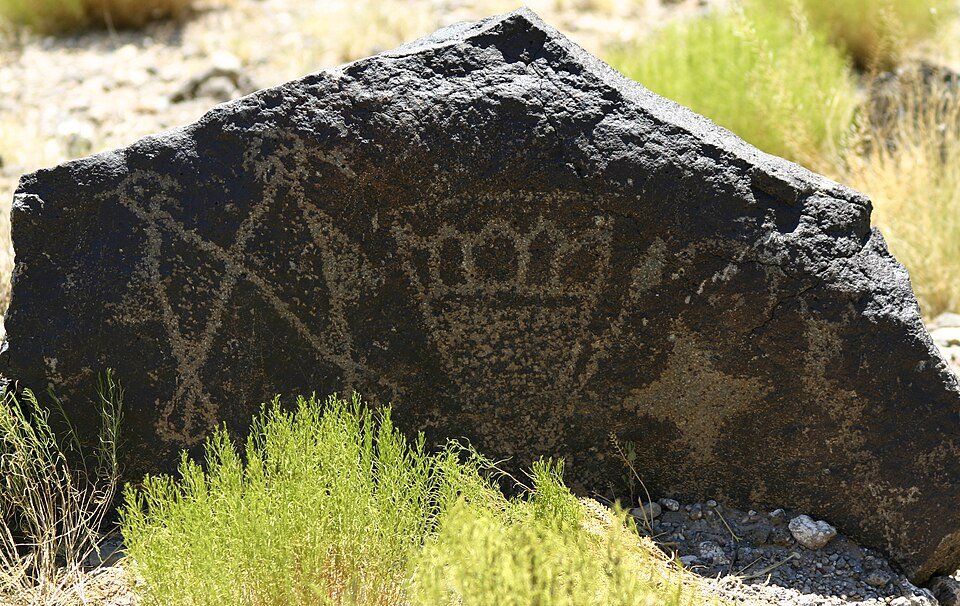
A 17-mile basalt escarpment on the western edge of Albuquerque, carved with an estimated 24,000 images and topped by a line of dormant volcanoes.
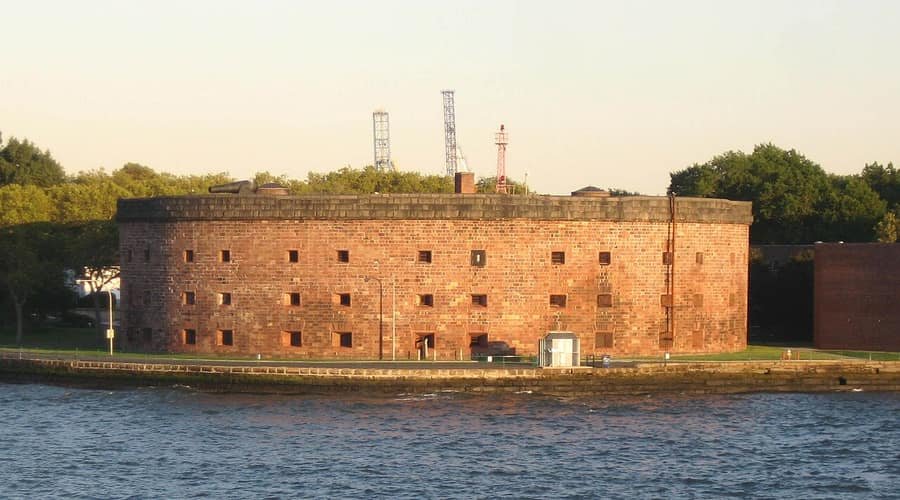
A round red sandstone fort in New York Harbor that went from guarding the city to holding prisoners, and is now left to visitors who take the ferry.
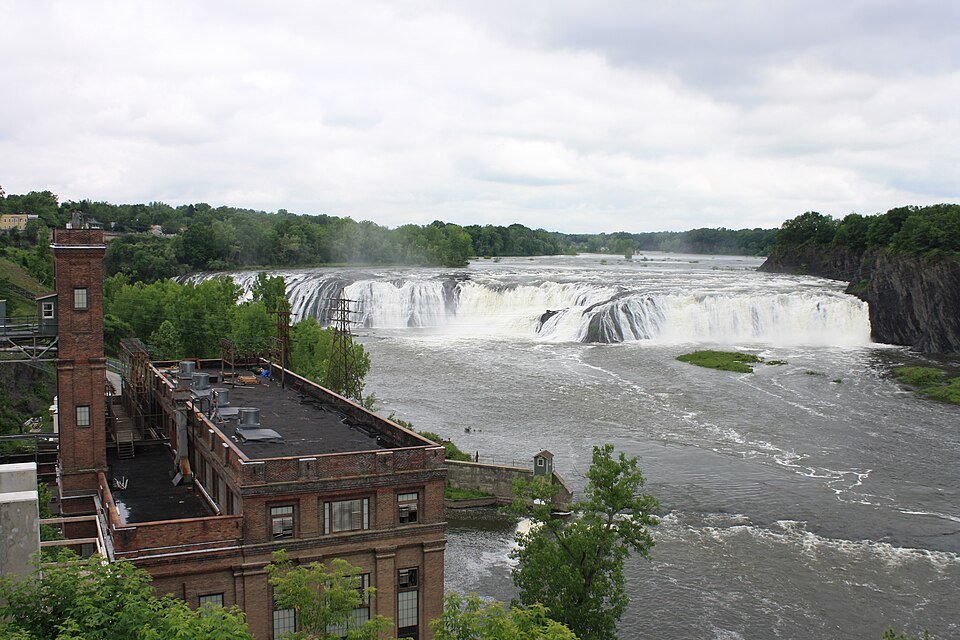
A waterfall about 1,000 feet wide on the Mohawk River that a poet once praised, a mill town harnessed, and a dry summer can leave almost bare.
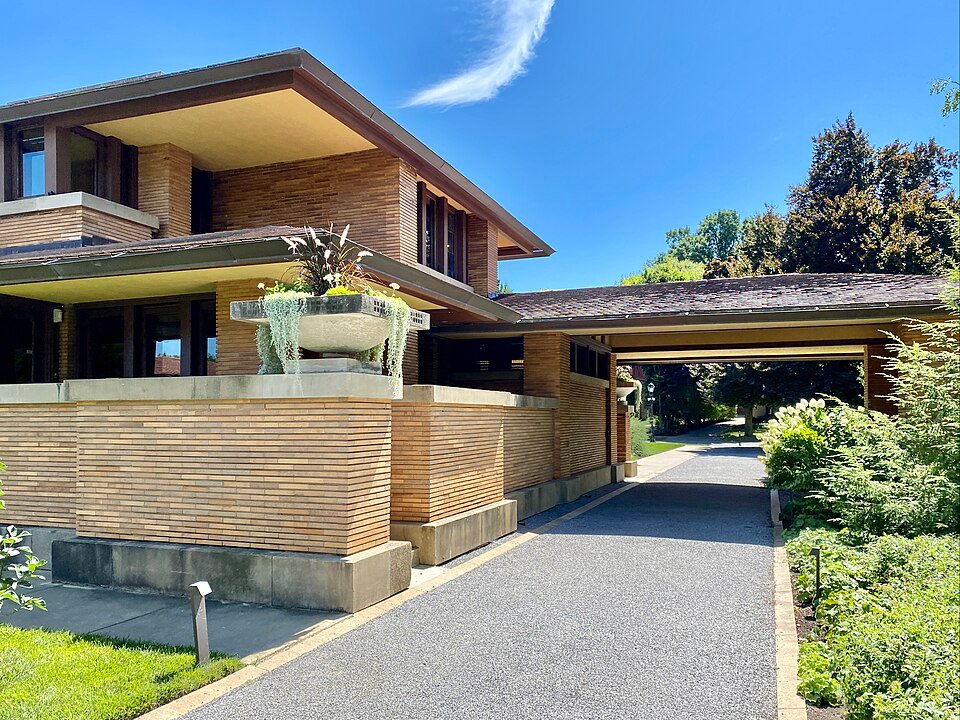
Frank Lloyd Wright's six-building Prairie-style estate in Buffalo, which was abandoned, cut into apartments, partly demolished and then rebuilt over three decades.
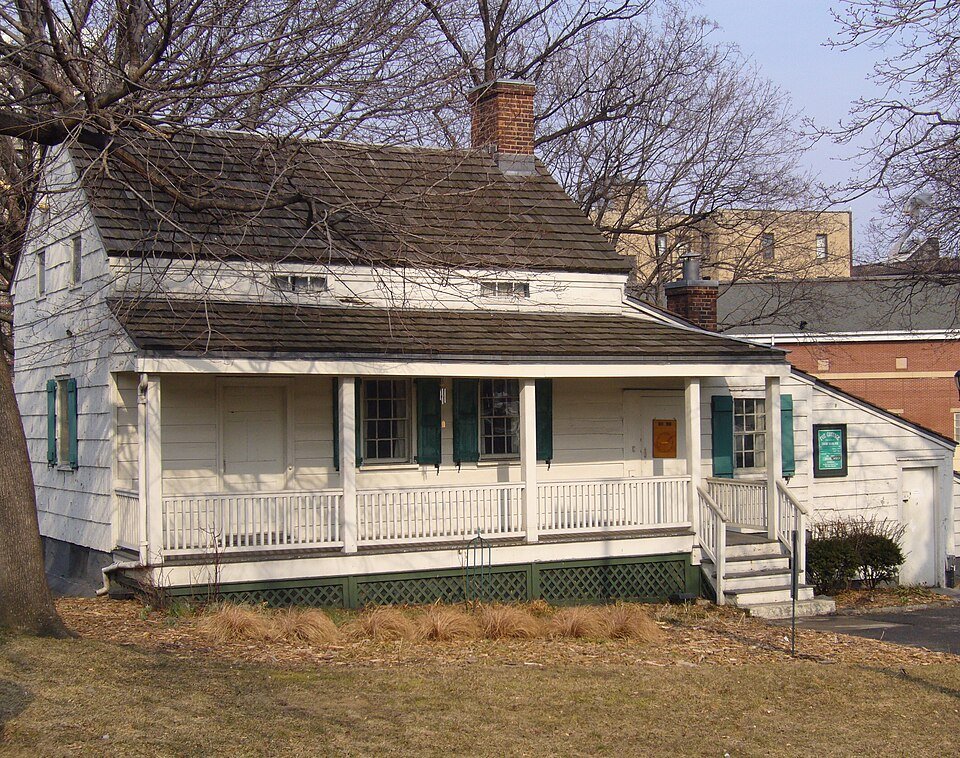
A modest cottage in Poe Park, in Fordham, where the Poe family lived while Virginia was dying and where he wrote some of his best-known poems.
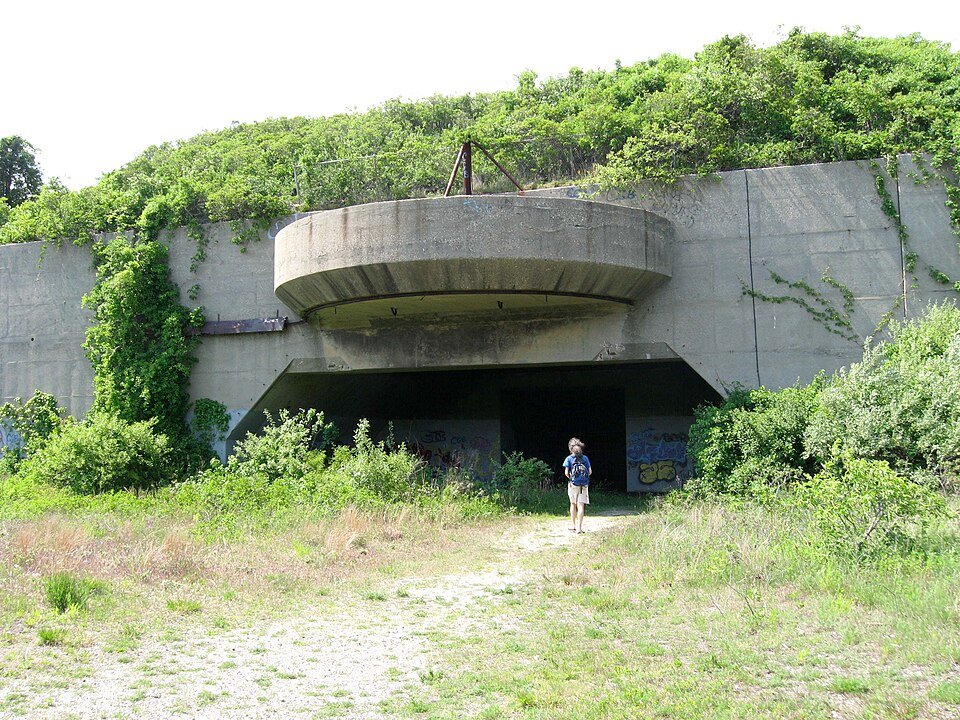
A former coastal fort on the Rockaway Peninsula where concrete gun batteries, graffiti and nesting shorebirds share the dunes.
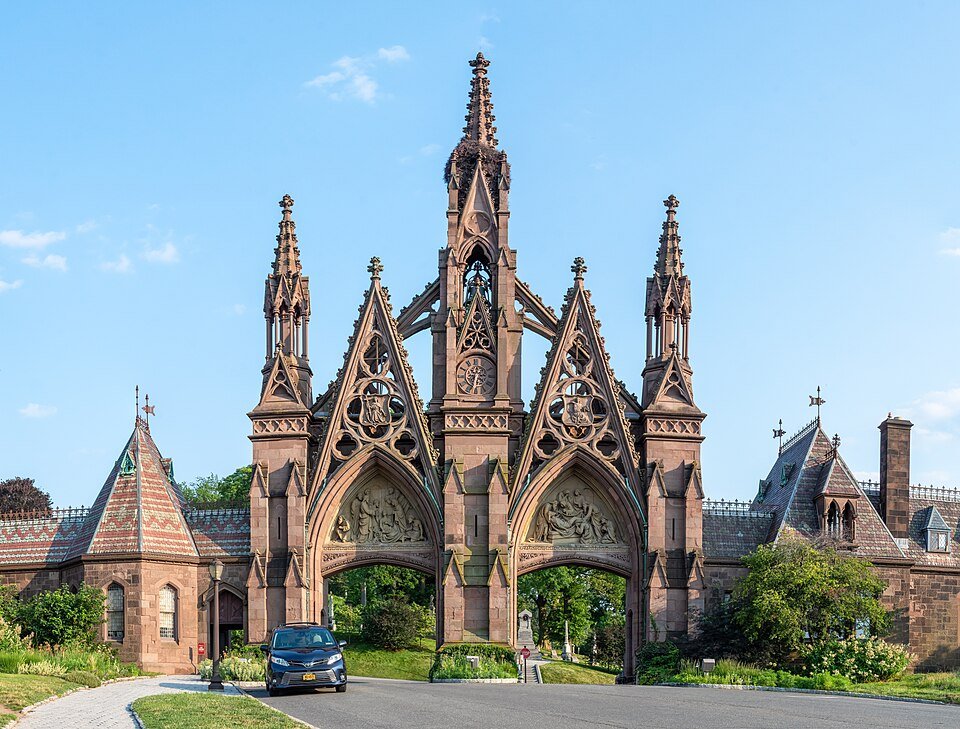
A 19th-century cemetery that worked as Brooklyn's public park by default, long before Prospect Park existed, with glacial hills, landmark gates and views of the harbor.
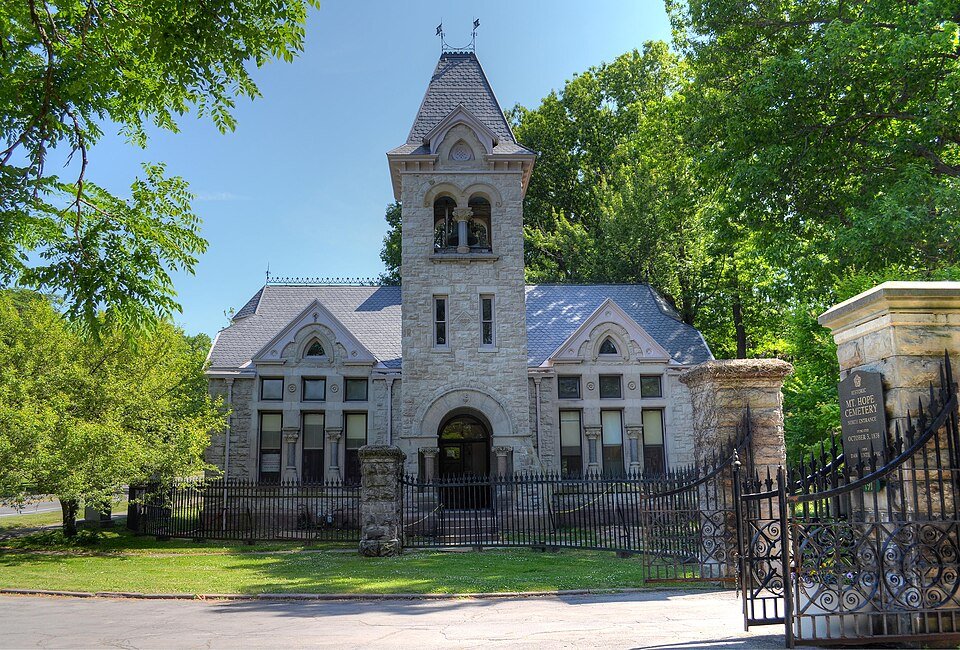
A 196-acre cemetery founded in 1838 on glacial ridges in Rochester, where Susan B. Anthony and Frederick Douglass are buried.
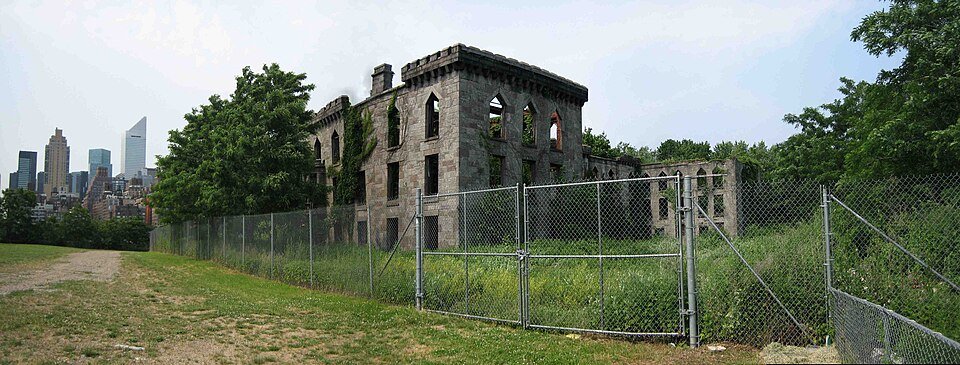
A Gothic Revival hospital at the southern tip of Roosevelt Island, built to keep smallpox patients apart and now the only ruin the city has landmarked.
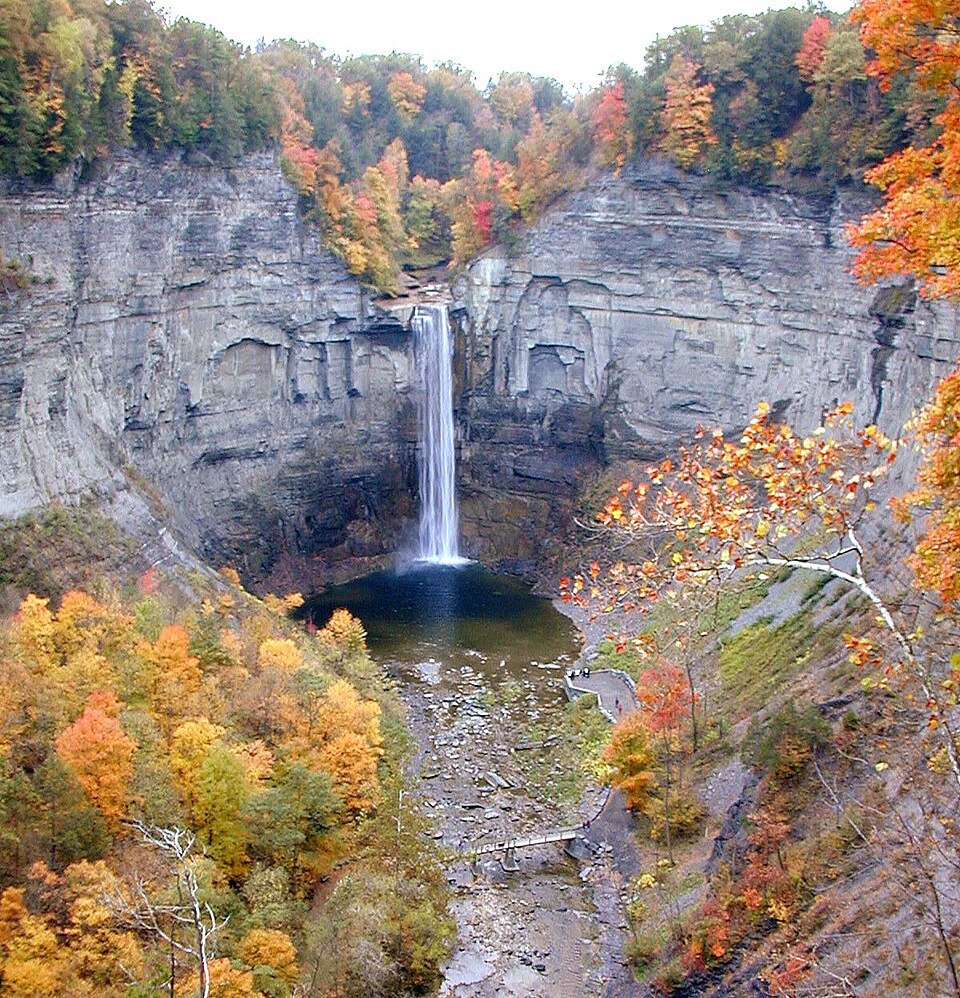
A 215-foot plunge waterfall in a gorge above Cayuga Lake, taller than Niagara Falls, in a state park with trails and a 19th-century hoax.
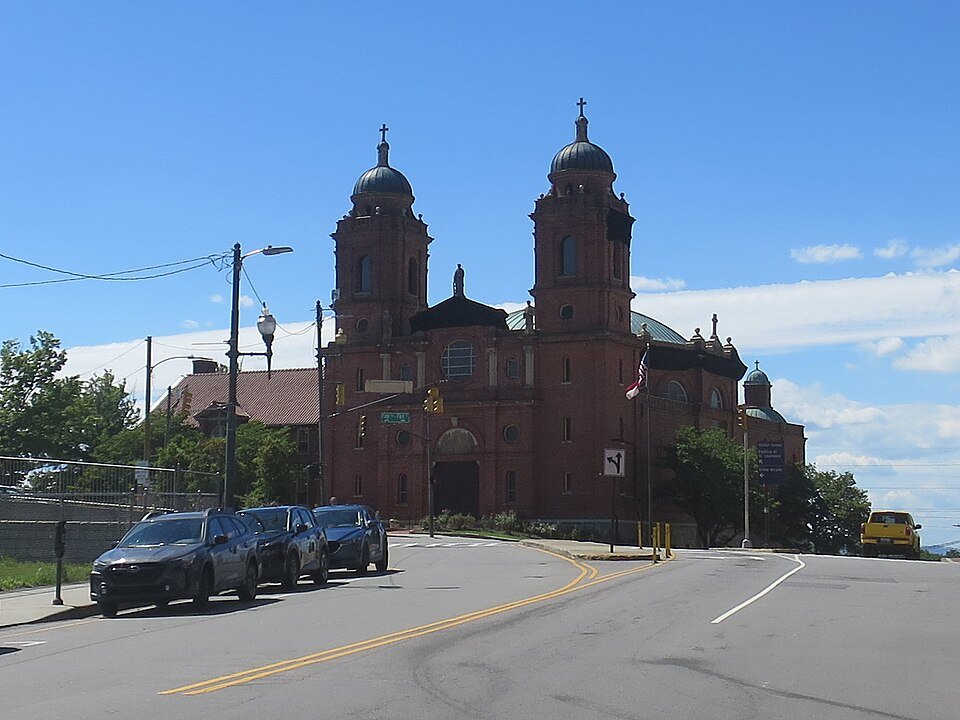
A Spanish Renaissance Revival church in downtown Asheville, topped by what is reputed to be the largest freestanding elliptical dome in North America.
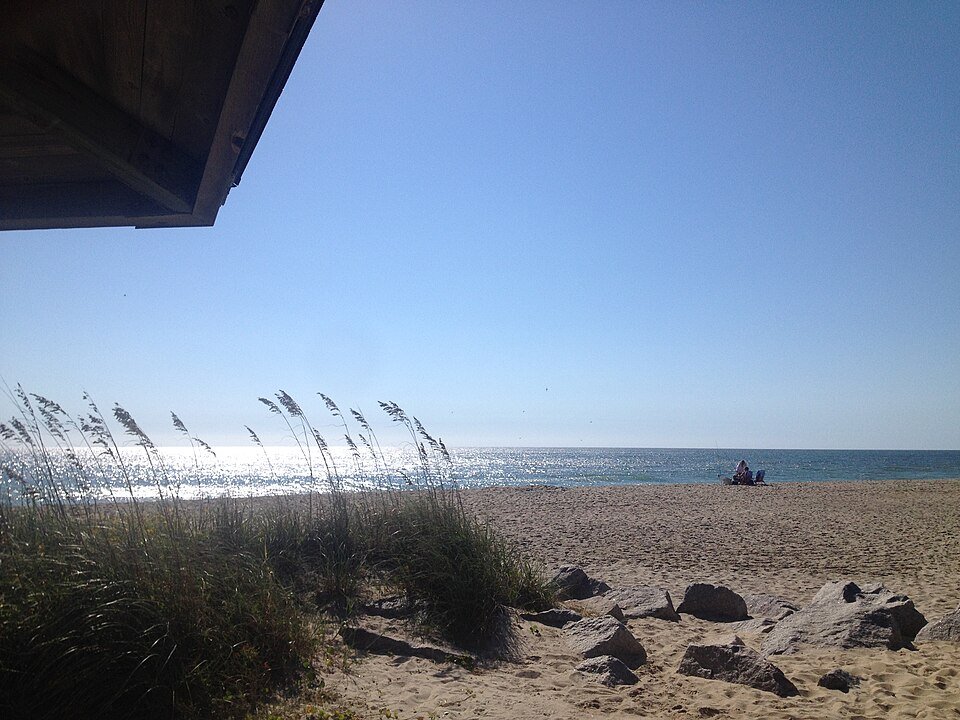
The largest Confederate fort, an earthen stronghold at the mouth of the Cape Fear River that kept Wilmington’s port open until its capture in 1865.
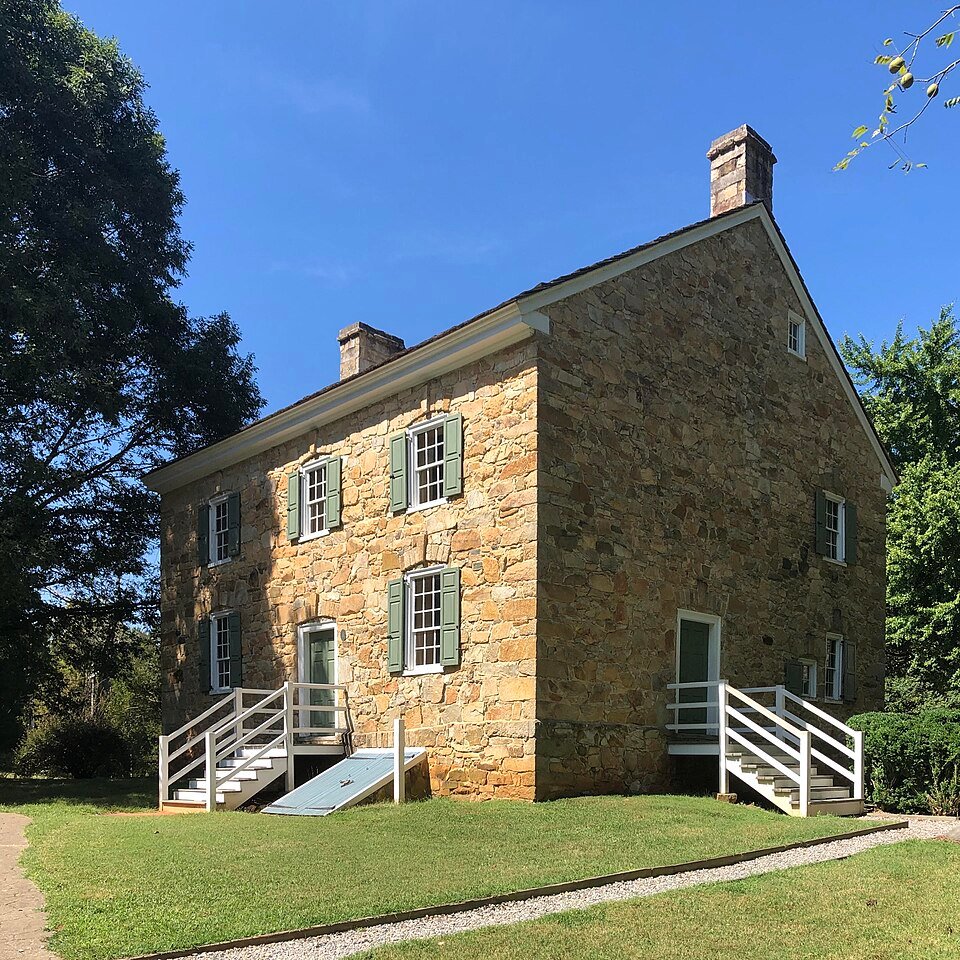
A stone house finished in 1774, the oldest in Mecklenburg County, kept standing by a history museum after more than a century of changing owners.
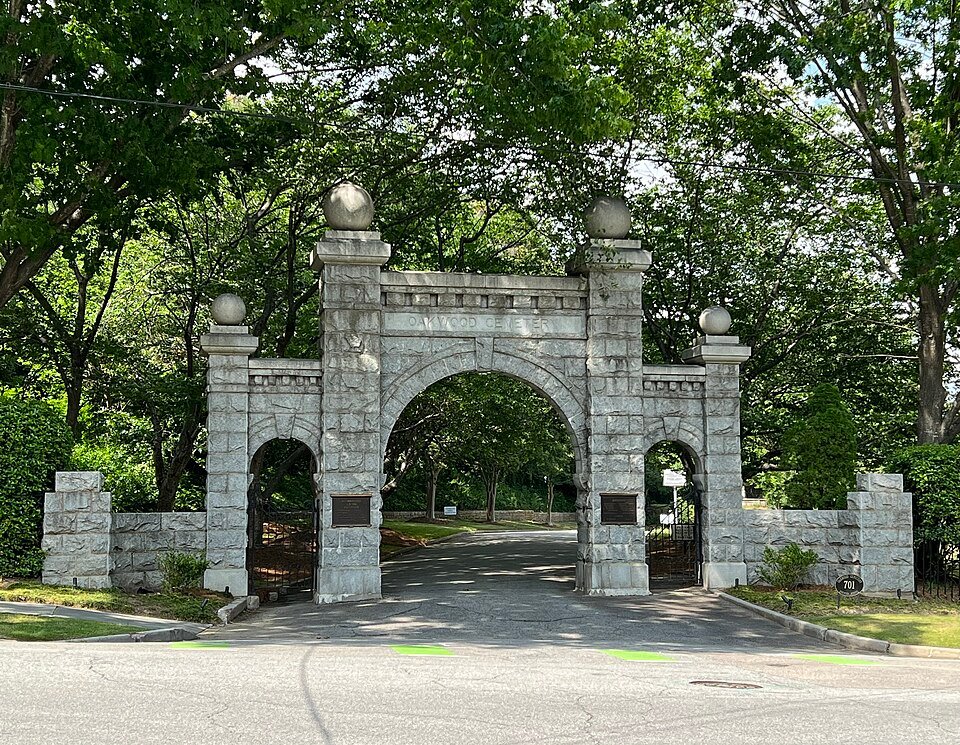
A 102-acre cemetery founded in 1869 a short distance from the State Capitol, where many of North Carolina's leaders are buried.
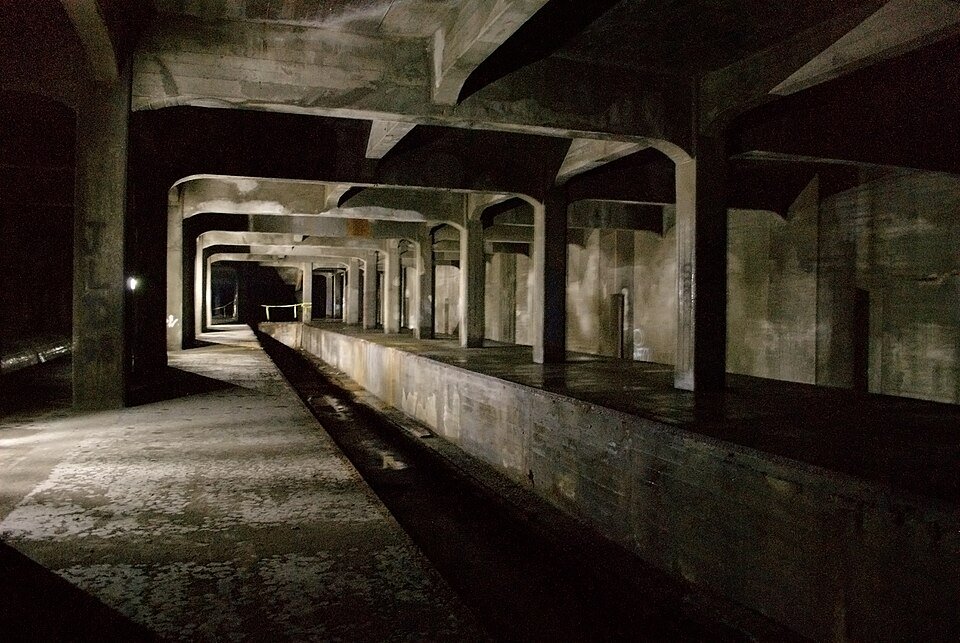
A subway that voters approved in 1917 and the city never finished, leaving more than two miles of empty tunnels and stations beneath Cincinnati.
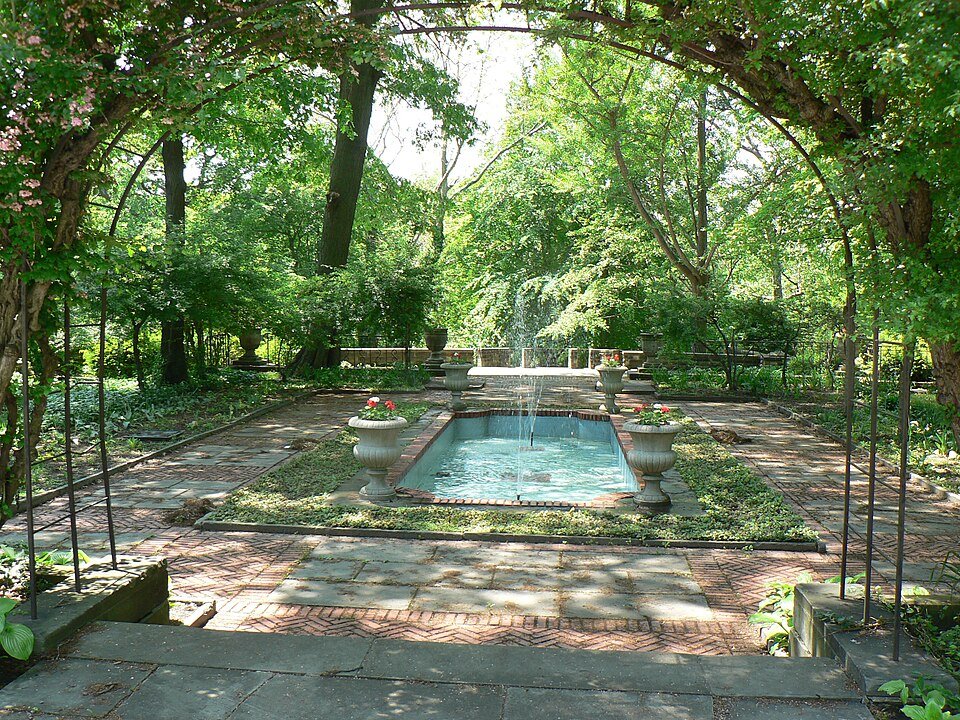
A string of public gardens along Cleveland's East Side boulevards, each one made by a different immigrant community to honor its own heritage.
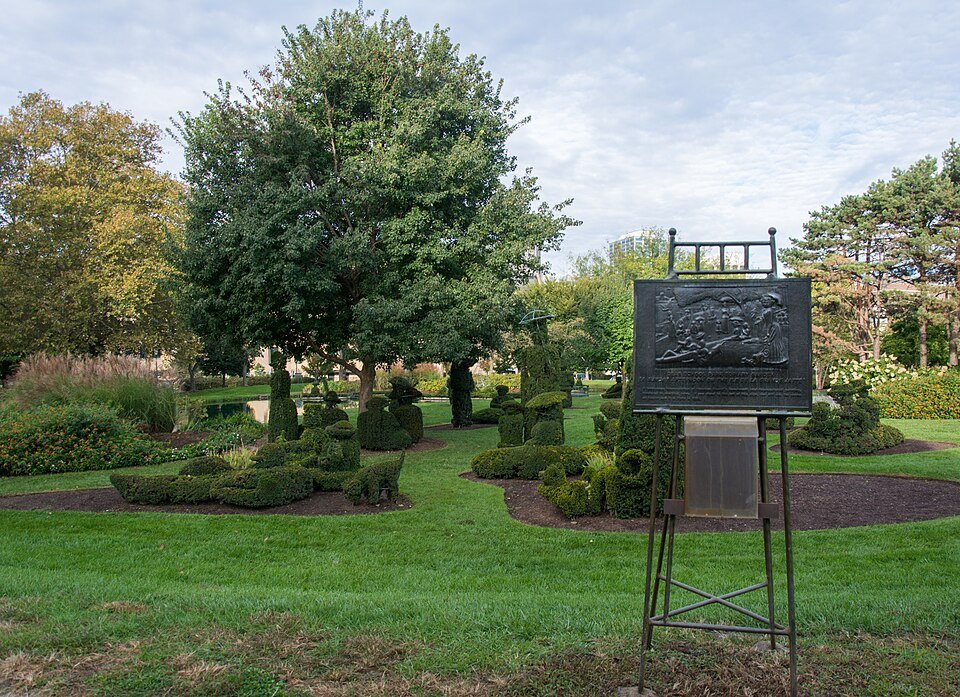
A downtown Columbus park where shrubs are clipped into life-size figures that recreate a famous Seurat painting.
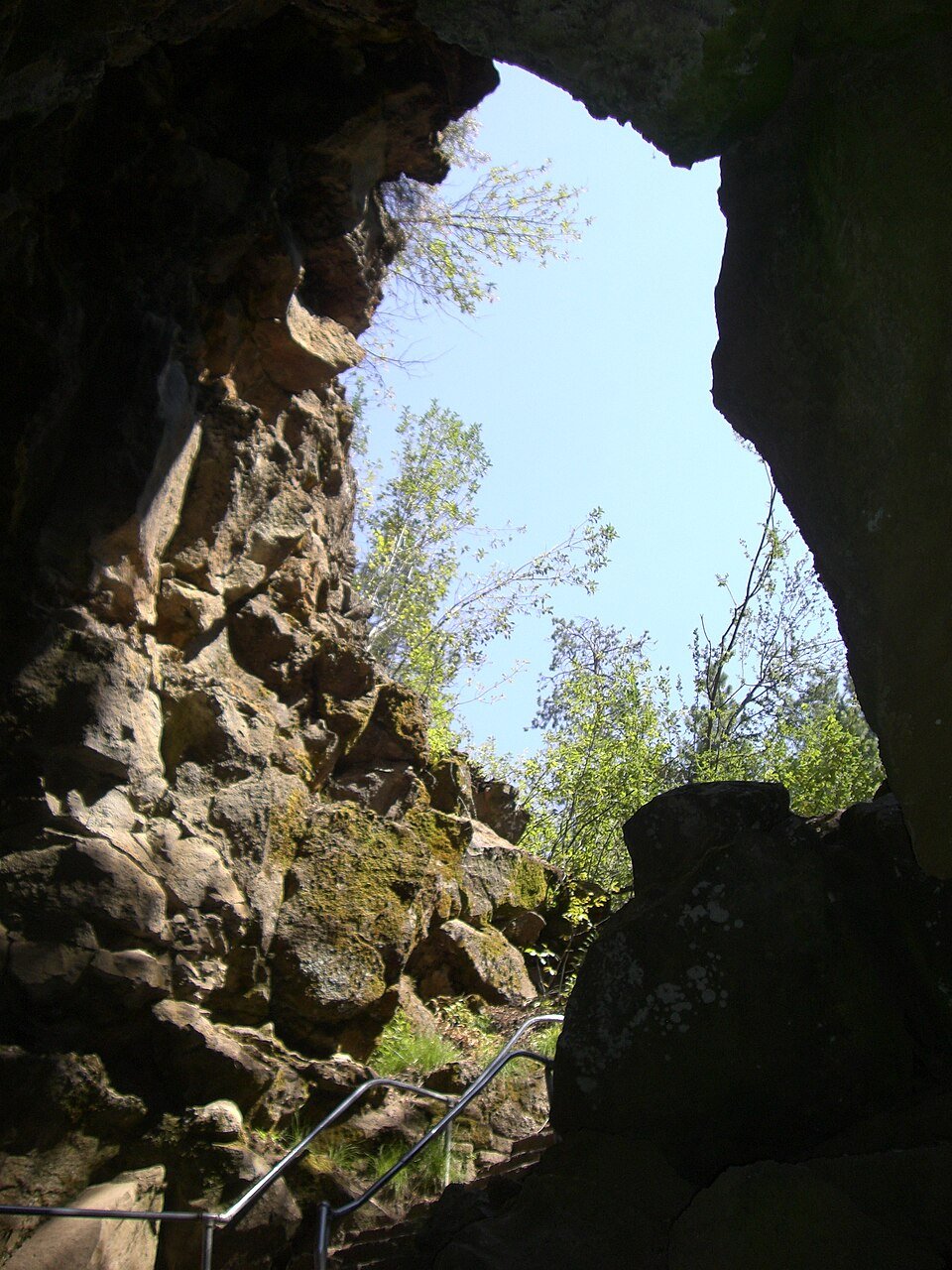
A lava tube south of Bend where molten rock once ran underground, now a cold, dark walk past ice, glazed walls and a sand garden.
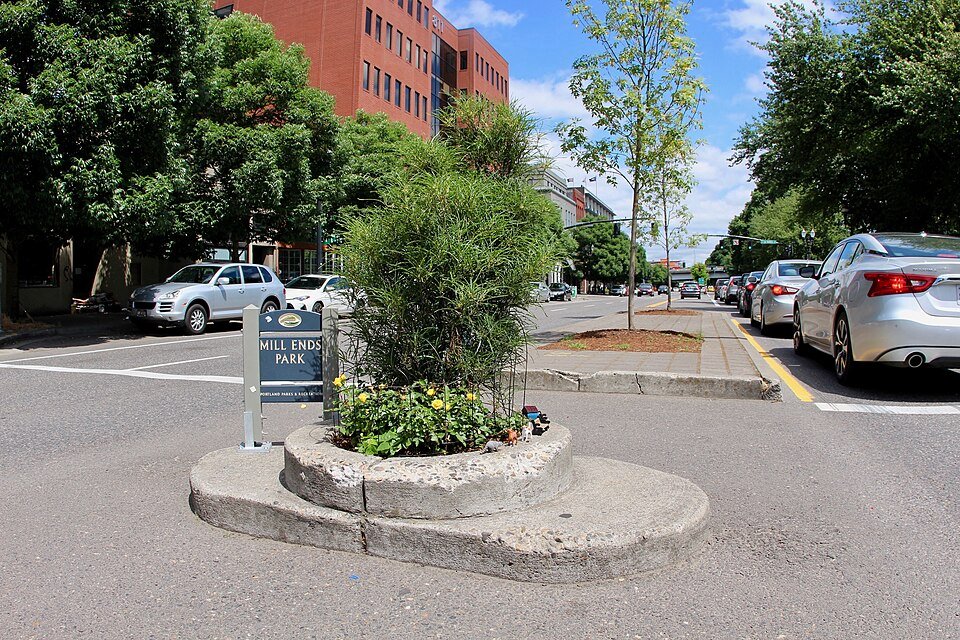
A two-foot circle with a single tree on a median beside the Willamette River, started in 1948 as a hole meant for a light pole.
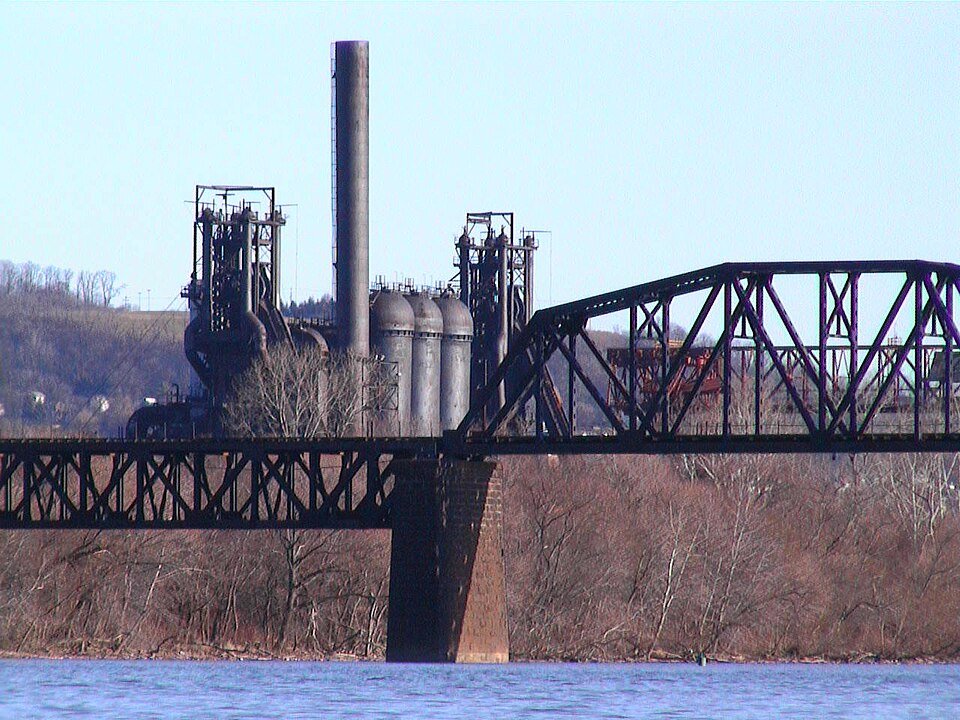
Two blast furnaces and a hot metal bridge on the Monongahela River, left standing from the Homestead Steel Works and now open on managed tours.
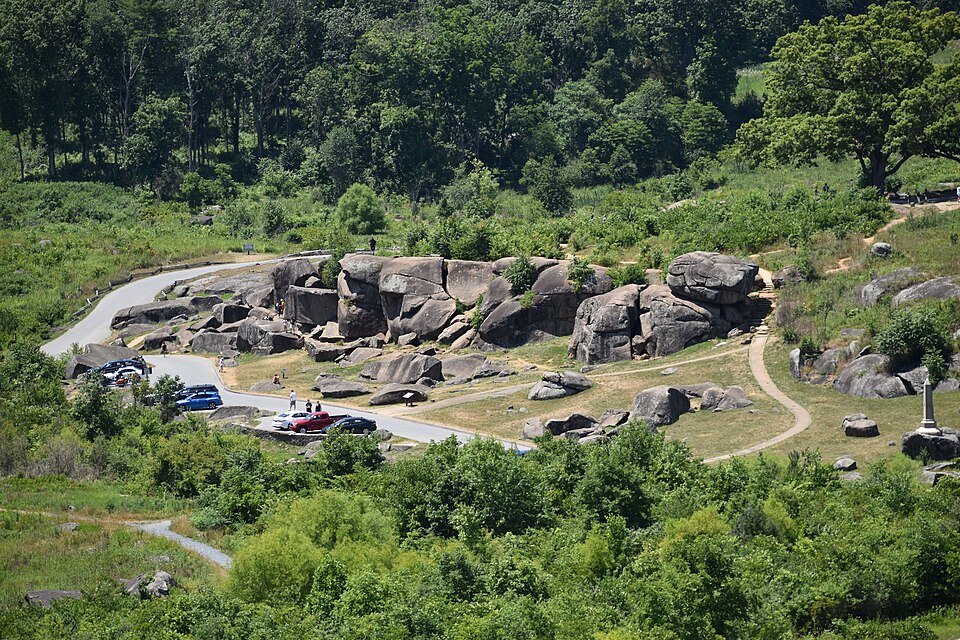
A hill of huge boulders on the Gettysburg Battlefield, used by artillery and sharpshooters on the second day of the battle.
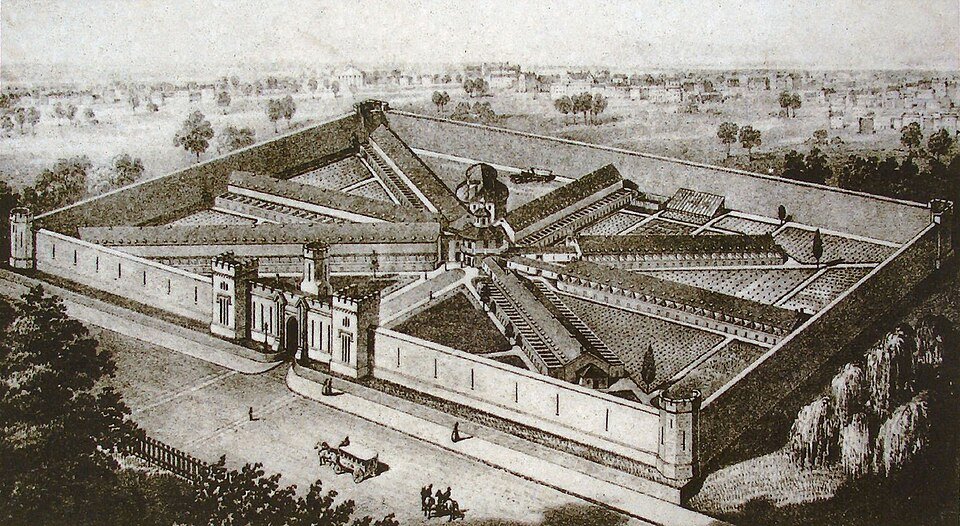
A neo-Gothic prison in Fairmount, opened in 1829 to make inmates reflect in silence, and later copied by more than 300 prisons around the world.
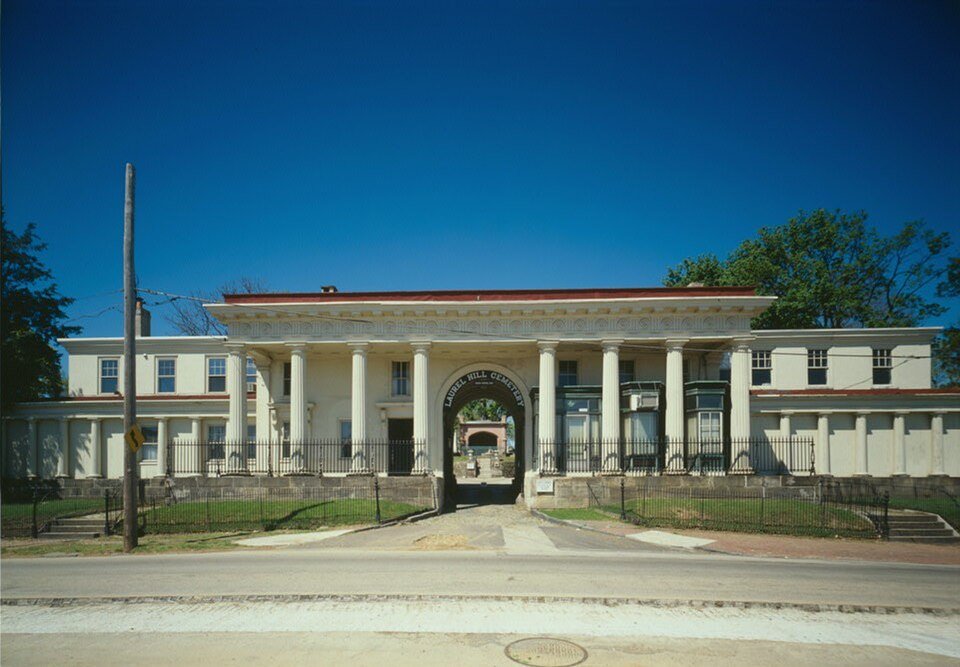
A terraced hillside cemetery above the Schuylkill River, founded in 1836 as a public garden, with sculpted tombs, an arboretum and a gatehouse like a Roman arch.
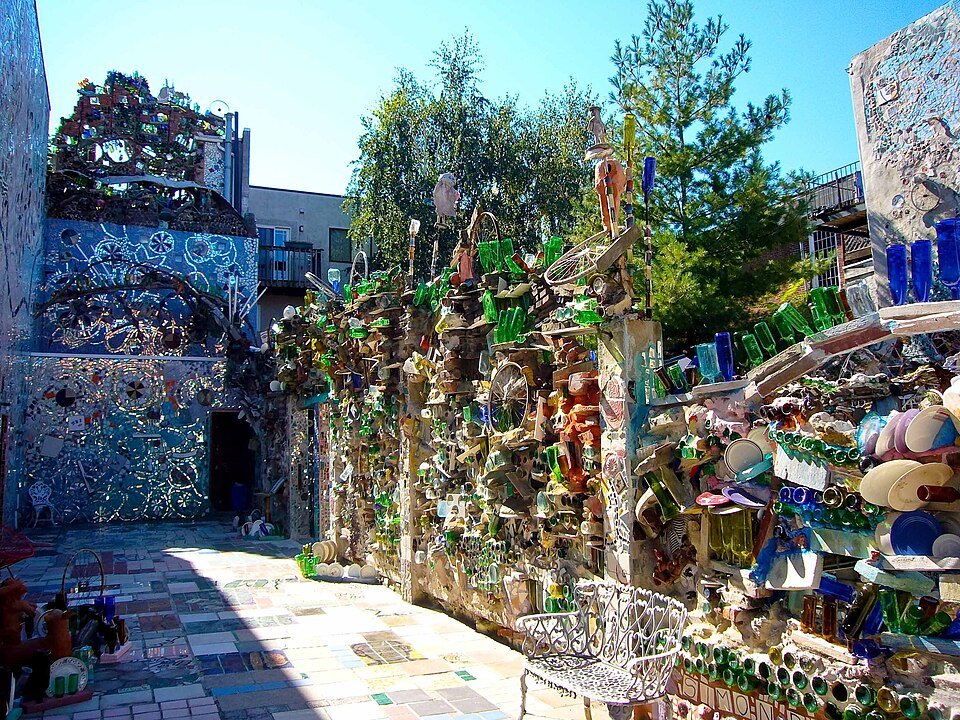
A mosaic labyrinth of tiles, mirror shards and bicycle wheels on South Street that grew out of a lot someone fenced off to keep the trash out.
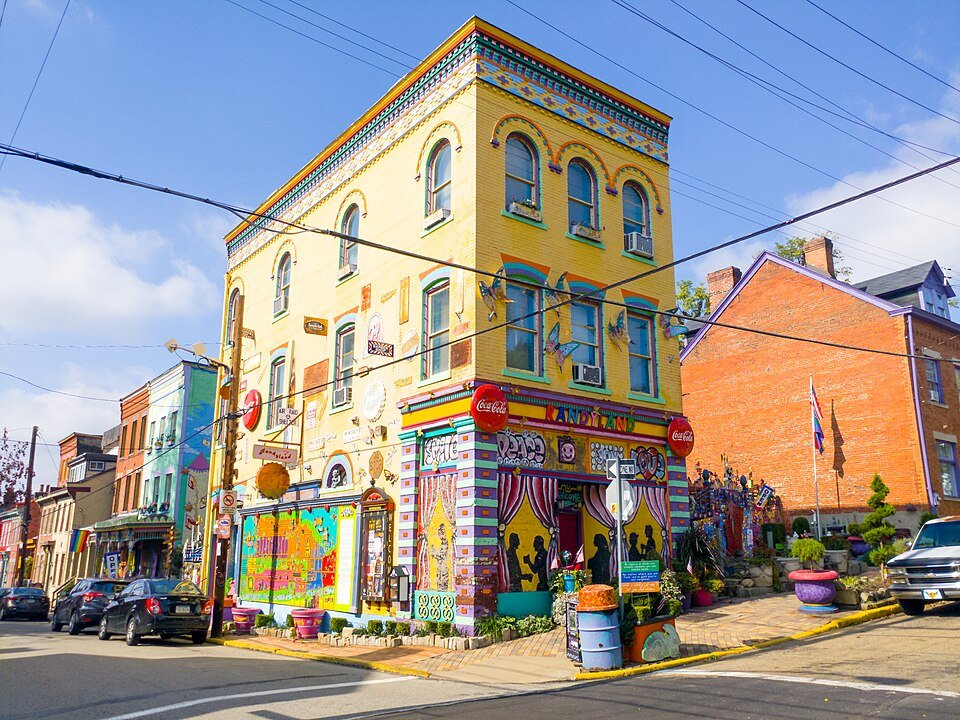
A house, fences and courtyard on Pittsburgh’s North Side covered in found objects, murals and bright paint, grown out of its founder’s community gardens.
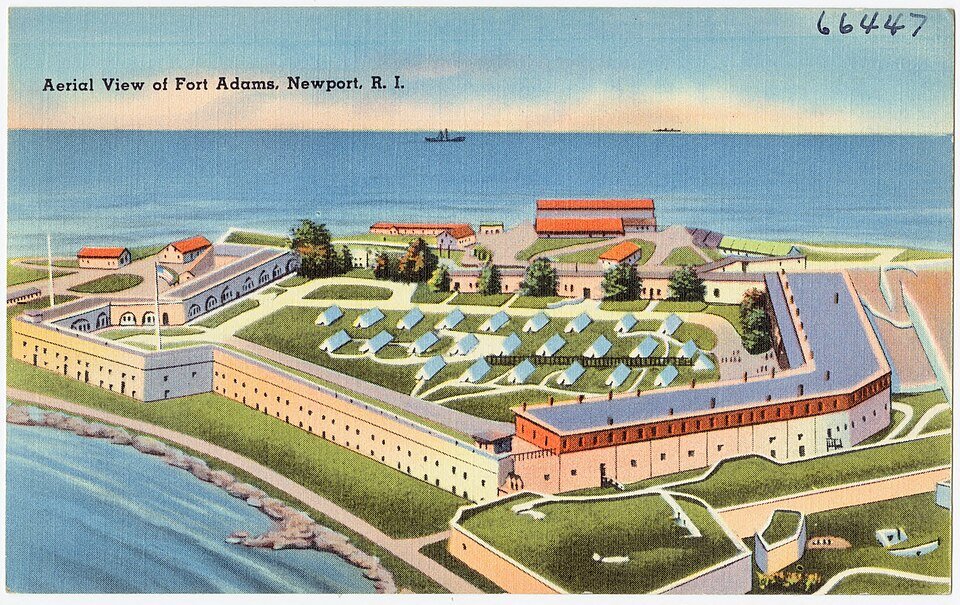
A vast stone fort on Narragansett Bay, designed by a French engineer, that served in five wars and never fired a shot in anger.
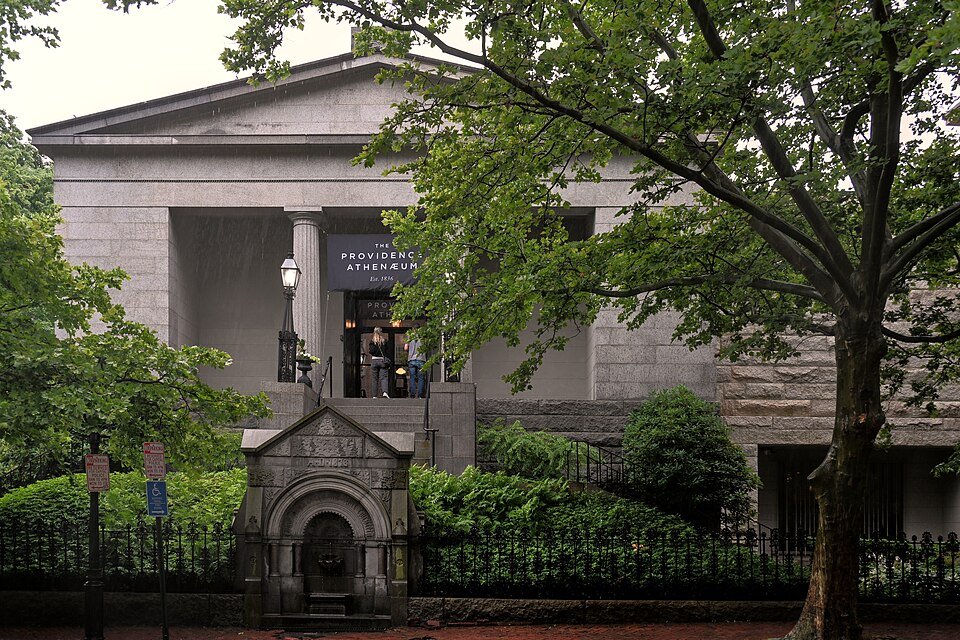
A member-supported library on Benefit Street whose Greek Revival home has held books since 1838, and whose roots go back to 1753.
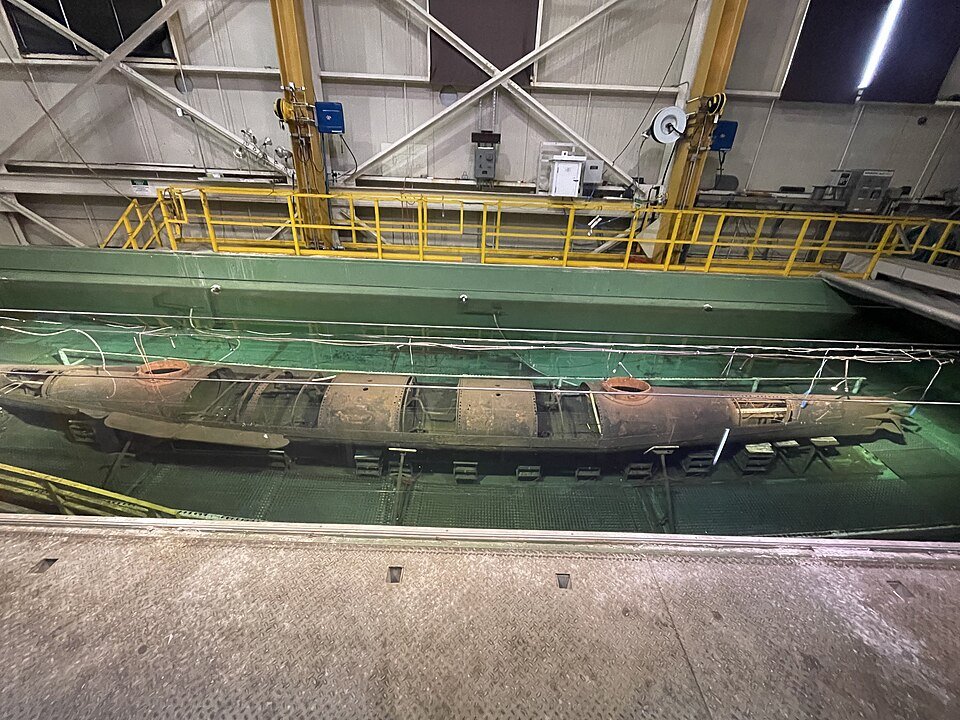
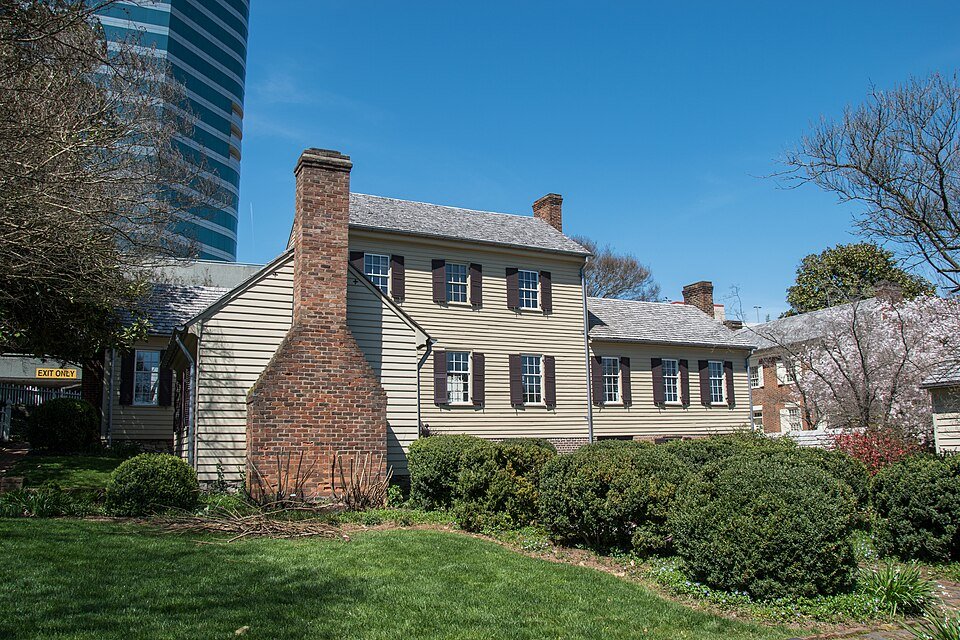
A wood-frame house in downtown Knoxville that served as the capitol of the Southwest Territory, where much of the Tennessee Constitution was drafted in 1796.
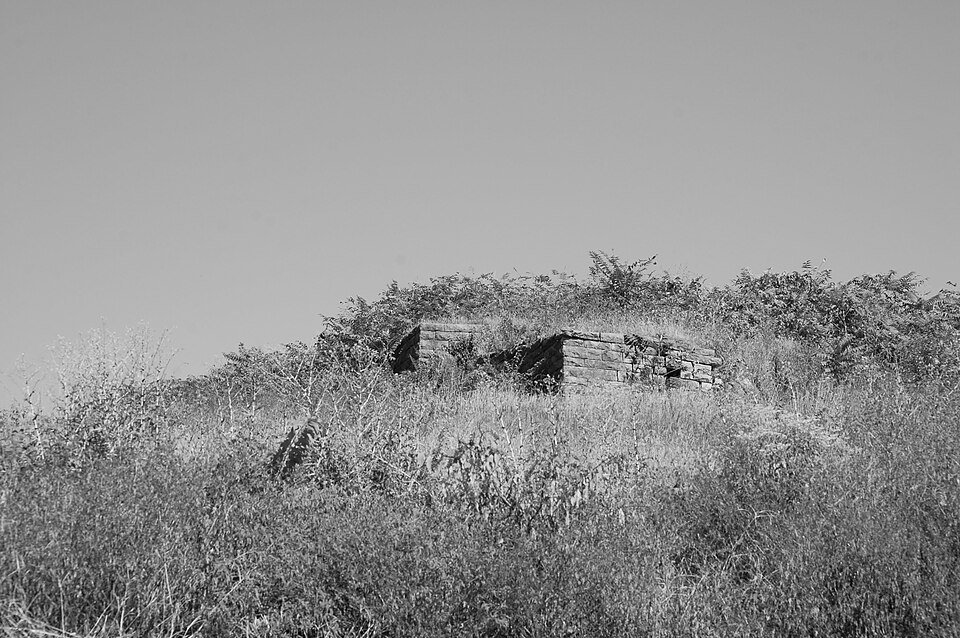
A star-shaped limestone fort on a hill south of downtown Nashville, raised by Union troops and built largely by Black laborers, enslaved and free.

A 321-foot pyramid on the Mississippi that hosted basketball, concerts and boxing before turning into a store with a lookout at the top.
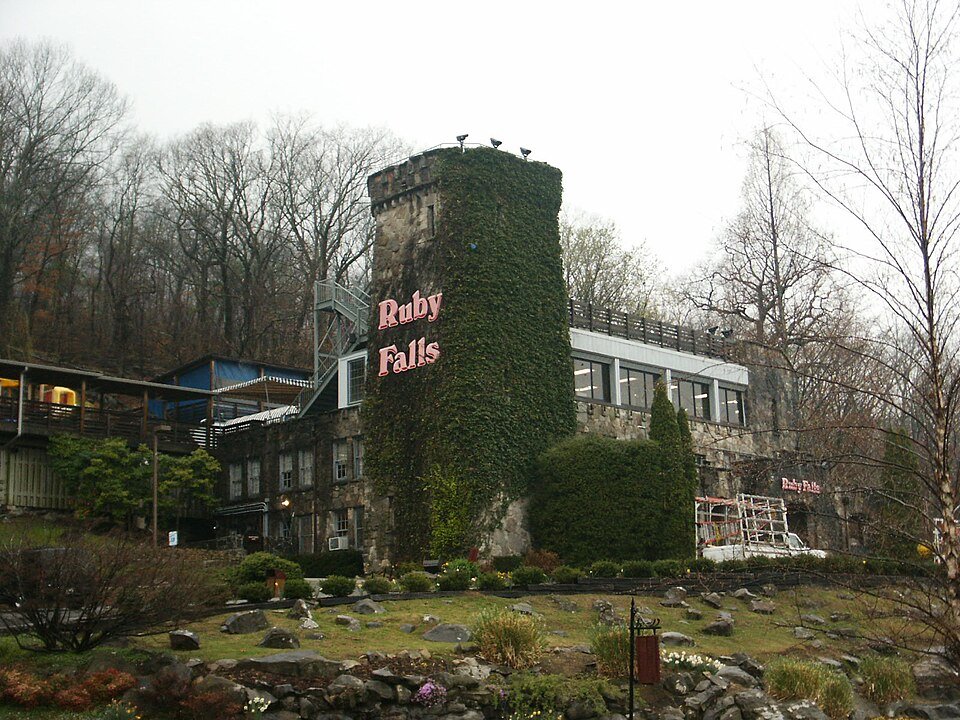
An underground waterfall found by accident in 1928 while workers drilled toward a different cave, now reached by elevator and guided tour.
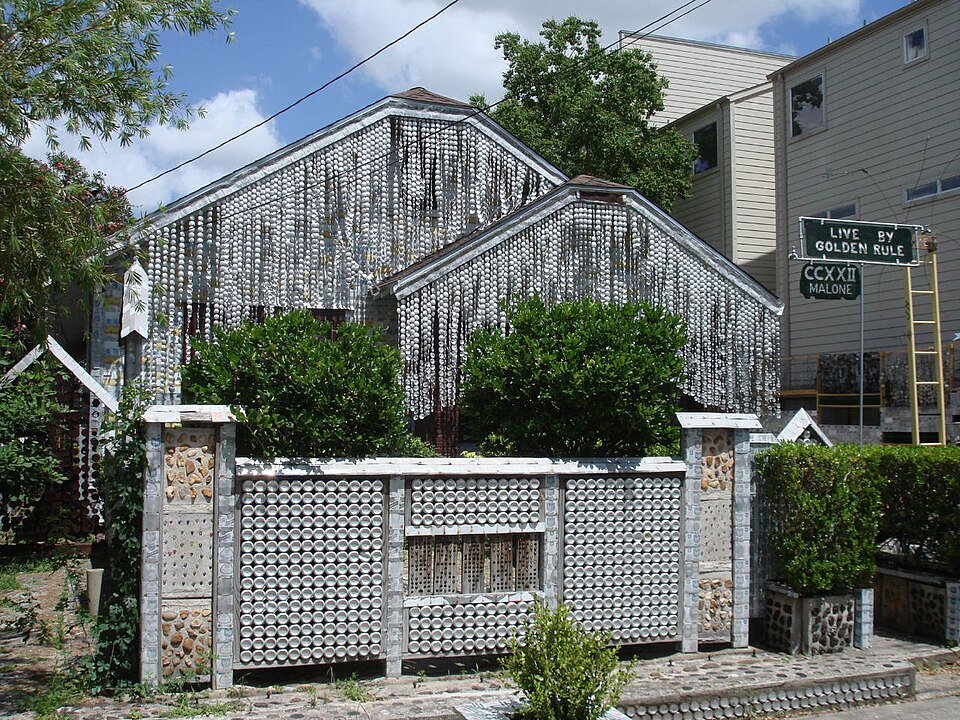
A Houston house wrapped in flattened beer cans and bottle caps, started by a railroad upholsterer who got tired of mowing the lawn.
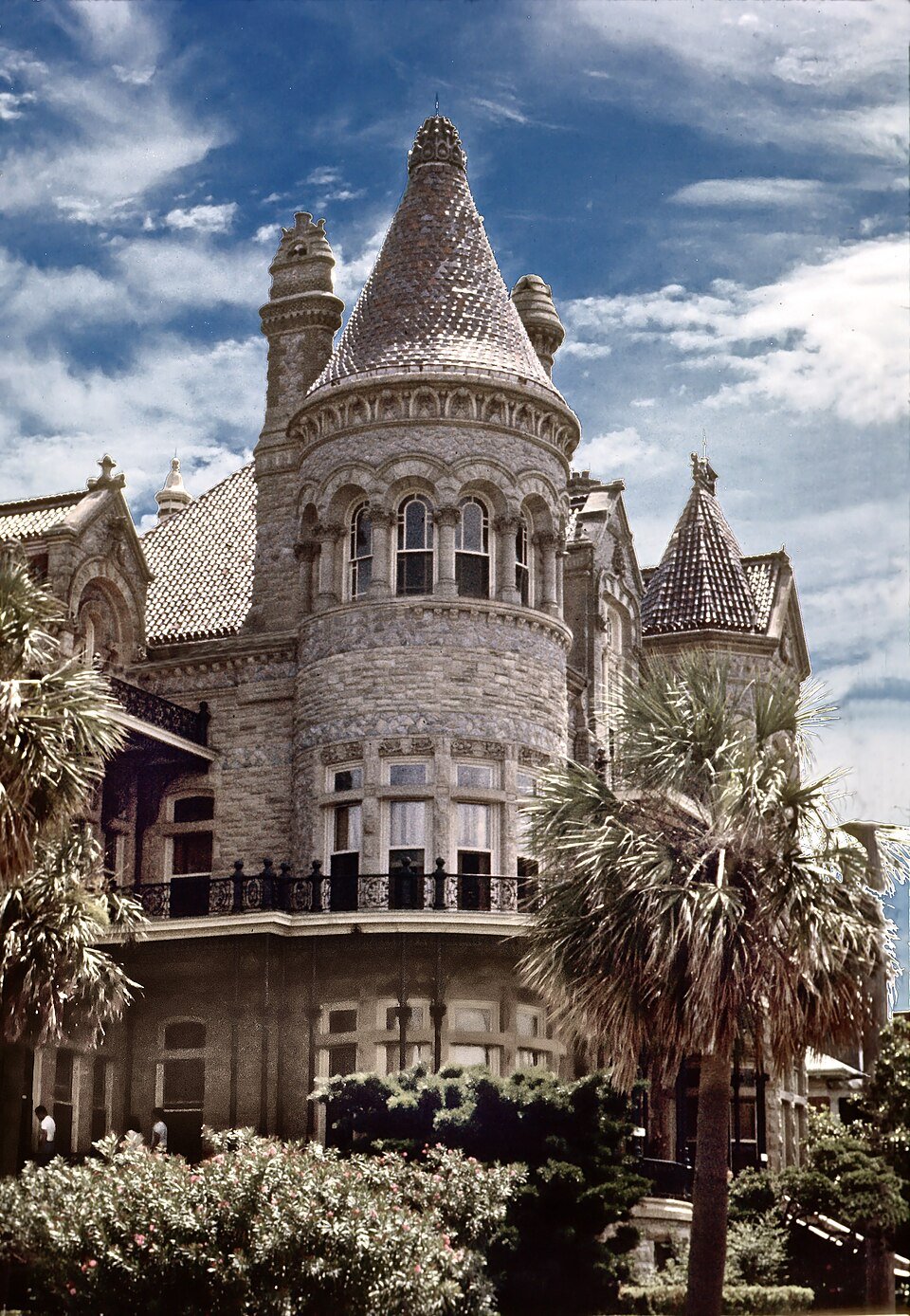
A Victorian mansion of Texas stone with four towers, built for a lawyer and his family, that outlasted the 1900 hurricane and later became a bishop’s home.
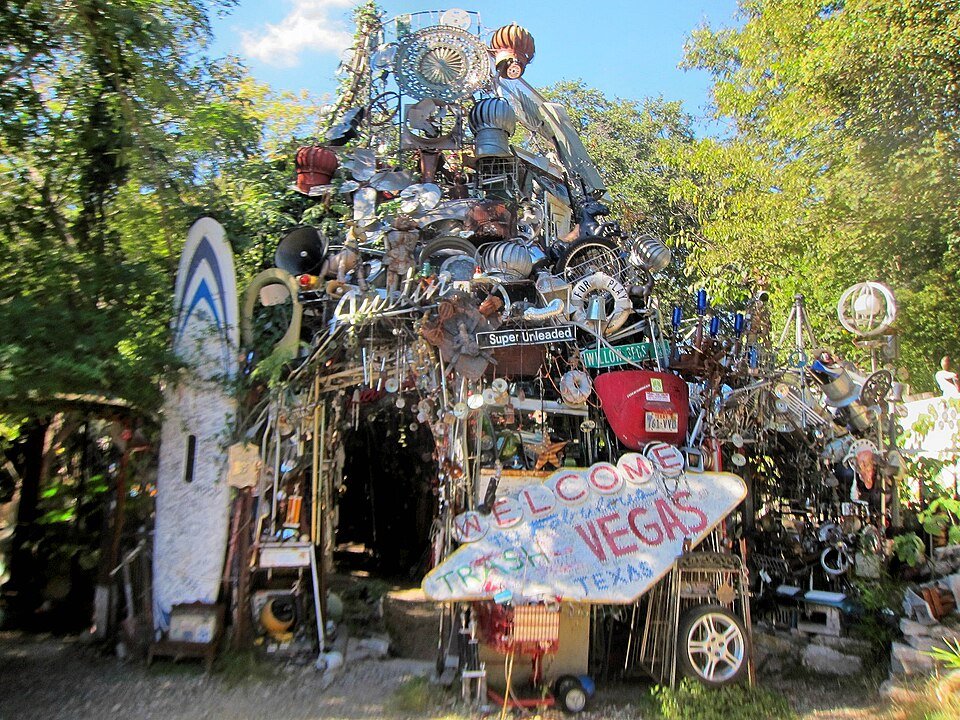
A three-story tower of salvaged junk in an Austin backyard, built over decades and once threatened with the bulldozer.
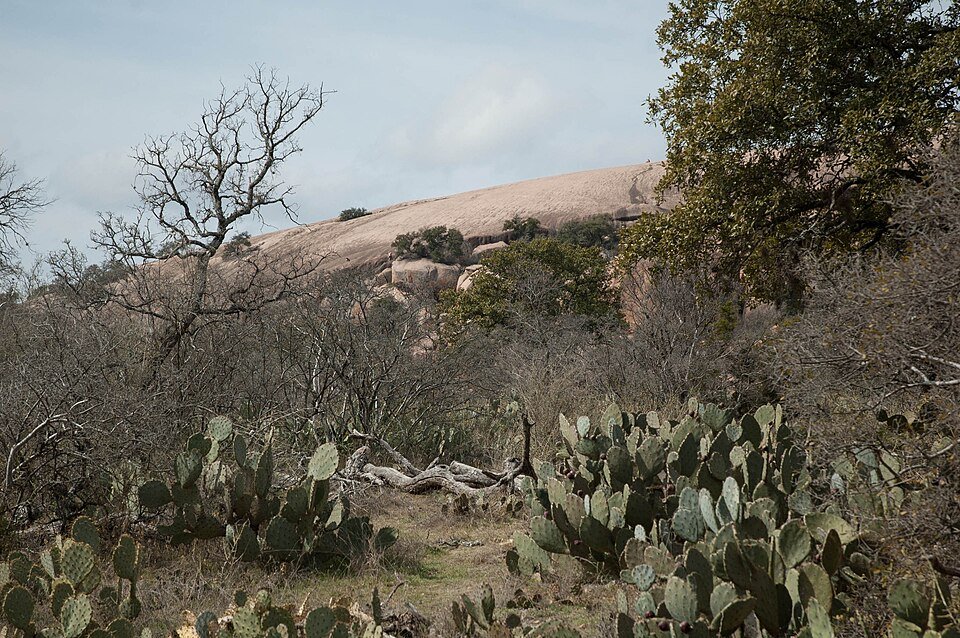
A bare pink granite dome north of Fredericksburg, Texas, with a name that comes from legends of ghost fires and a rock that groans at night.
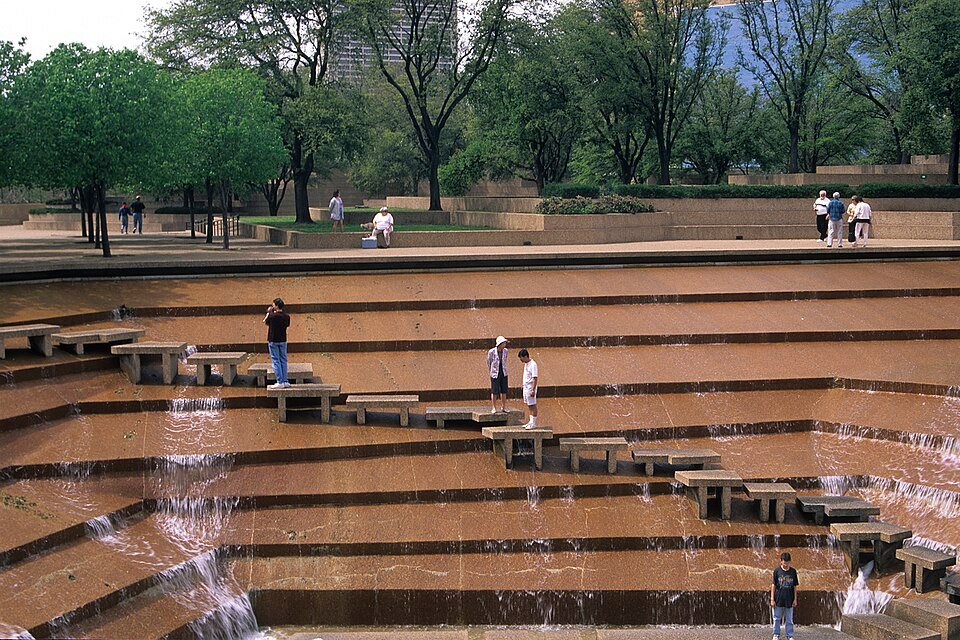
A 4.3-acre concrete park of waterfalls and sunken pools at the south end of downtown, built in 1974 and seen in films and music videos.
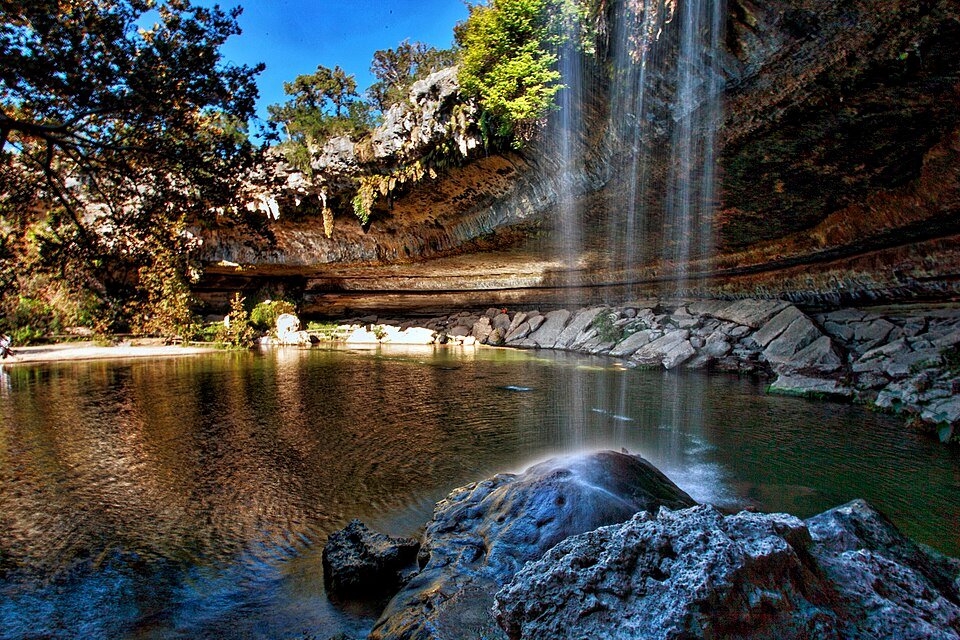
A jade-green pool and 50-foot waterfall in a collapsed limestone grotto in the Texas Hill Country, reached by reservation.
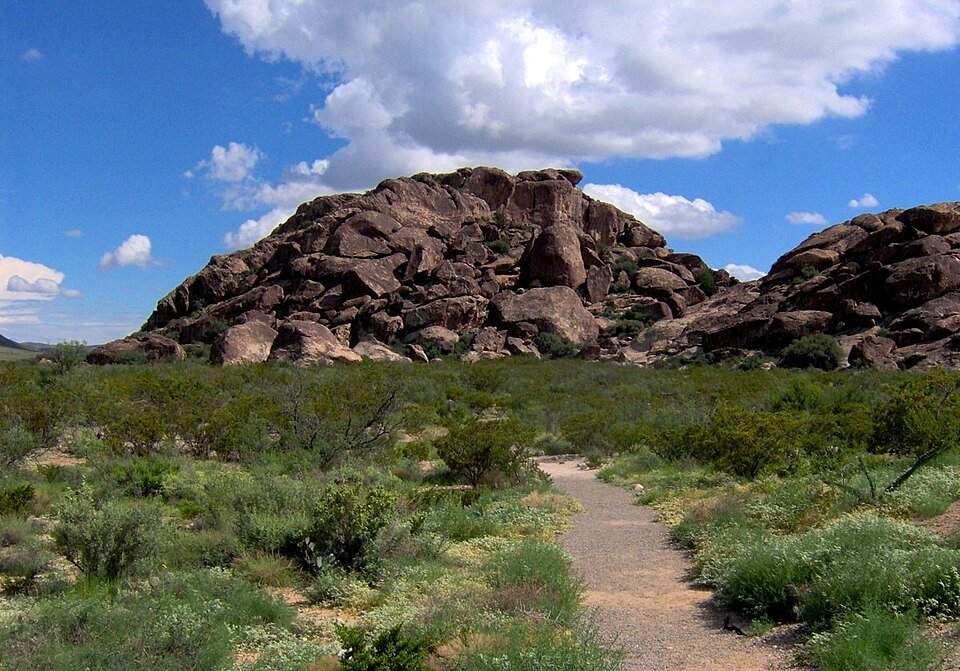
Three rock mountains in the Chihuahuan Desert whose natural basins held water for travelers for millennia, and whose walls carry thousands of years of paintings.
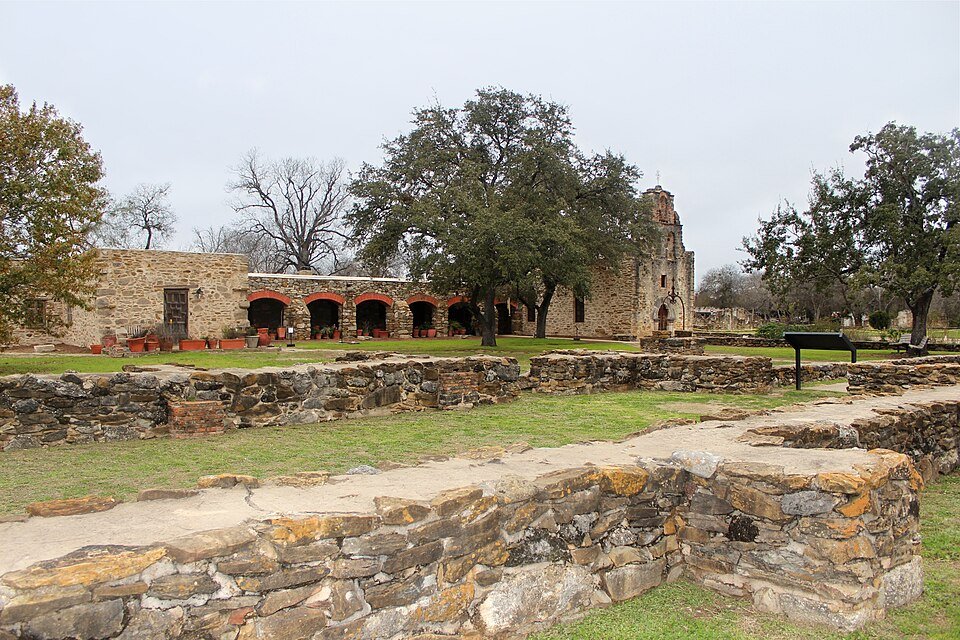
A Spanish mission on the southern edge of San Antonio whose irrigation ditch still carries water to nearby land.
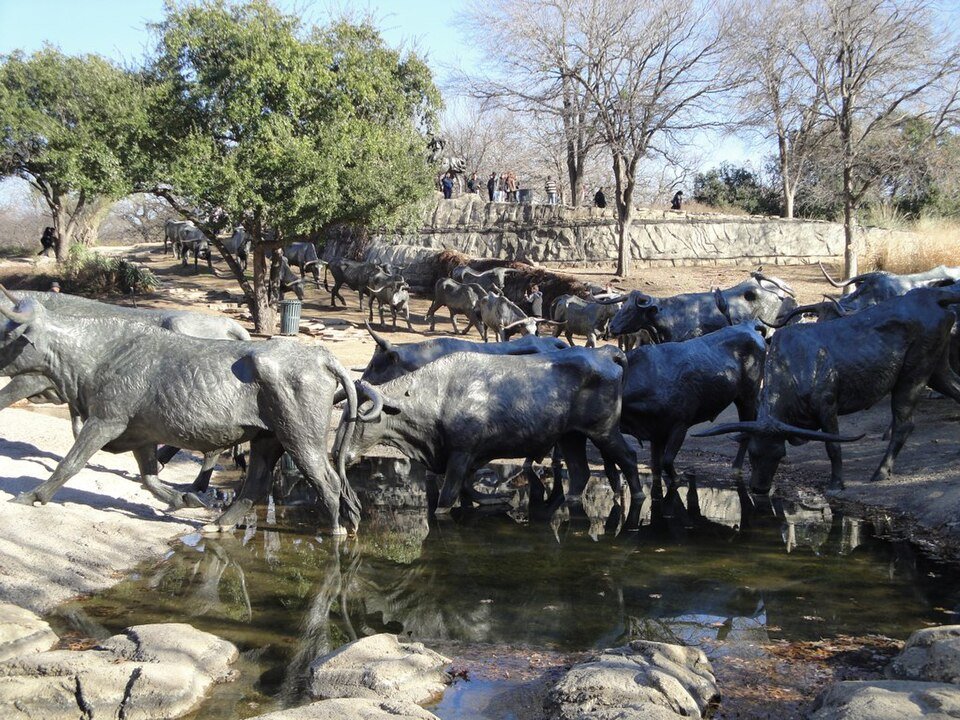
A herd of 49 larger-than-life bronze steers crossing a man-made ridge in the middle of downtown Dallas, in memory of the Shawnee Trail cattle drives.
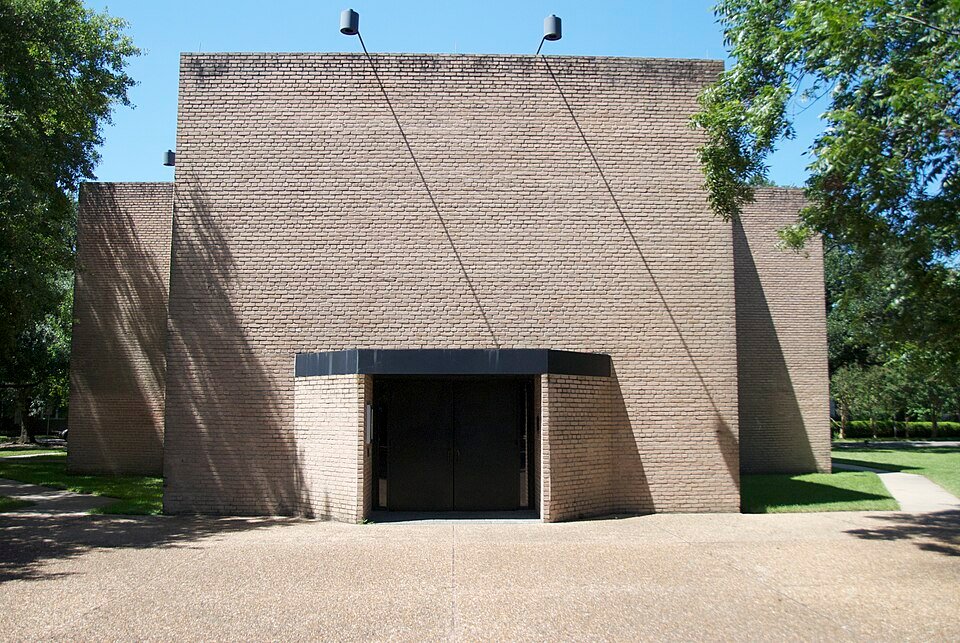
A quiet, non-denominational chapel in Houston where fourteen dark Mark Rothko paintings fill the walls and anyone, of any faith, can sit.
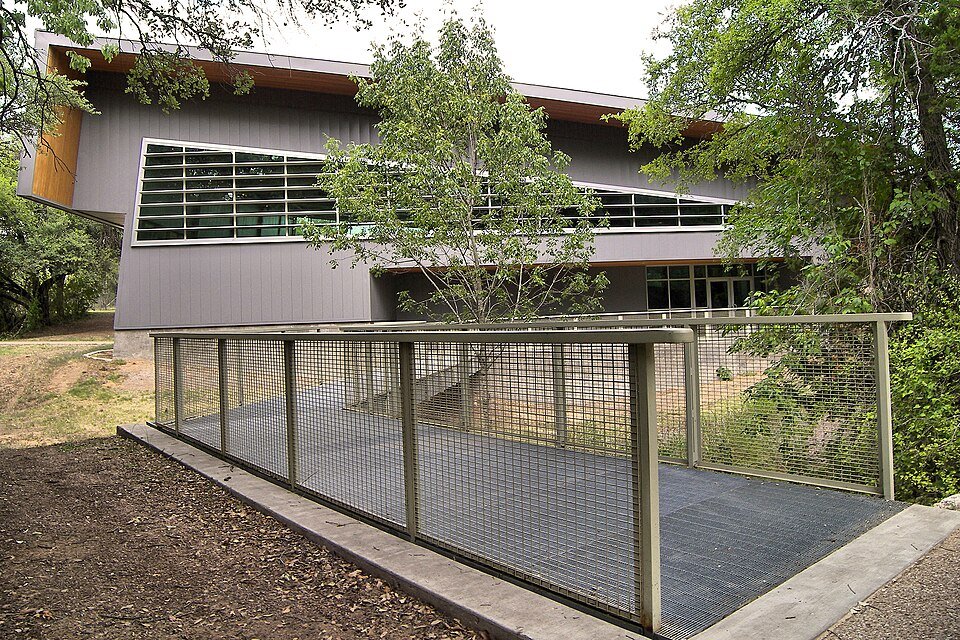
A shelter over fossil mammoths on the Bosque River, found by two teenagers looking for arrowheads in 1978 and now a national monument.
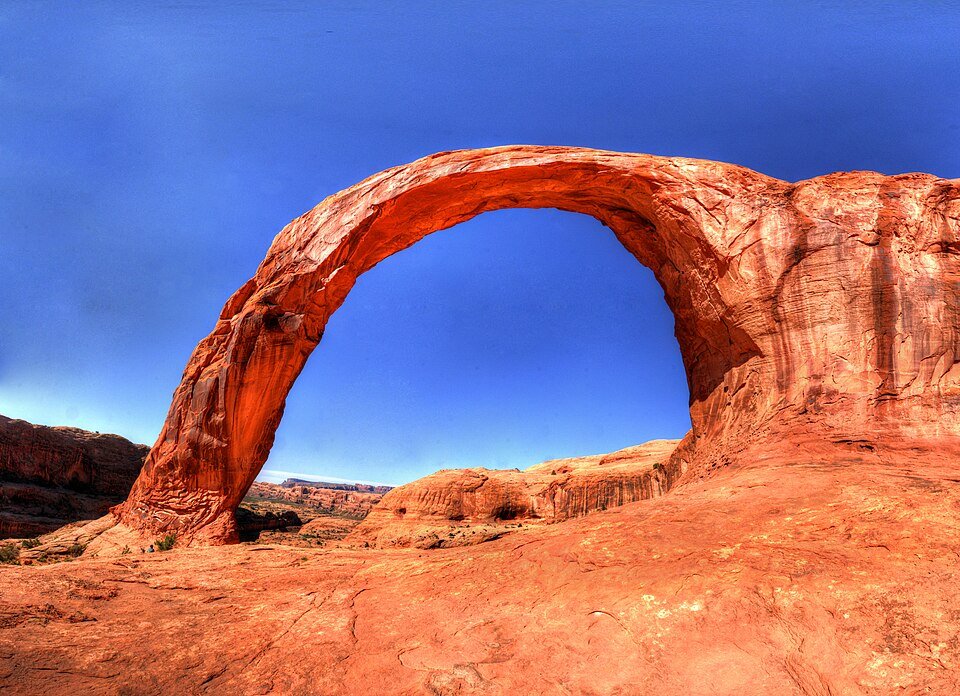
A natural sandstone arch in a side canyon of the Colorado River, once called Little Rainbow Bridge, reached by a 1.5-mile trail off Potash Road.
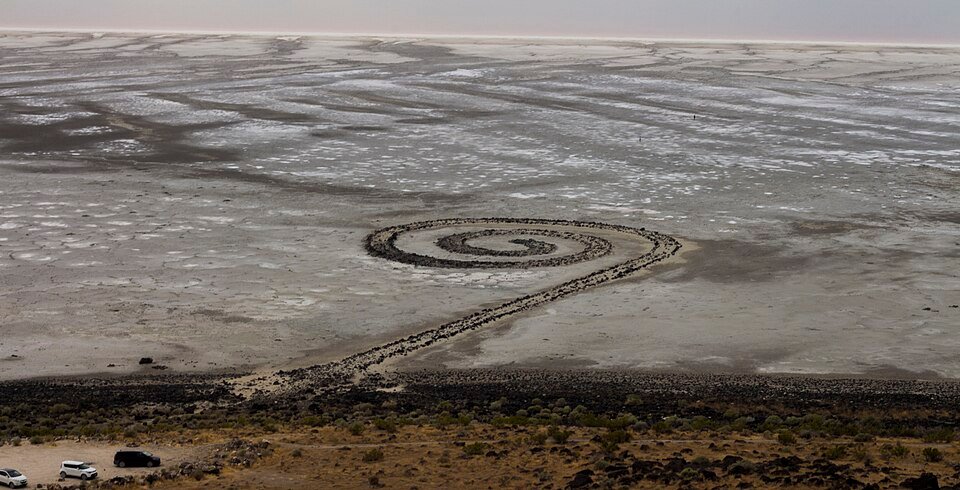
A 1,500-foot coil of basalt and mud on the Great Salt Lake's northeastern shore that appears and disappears with the water level.
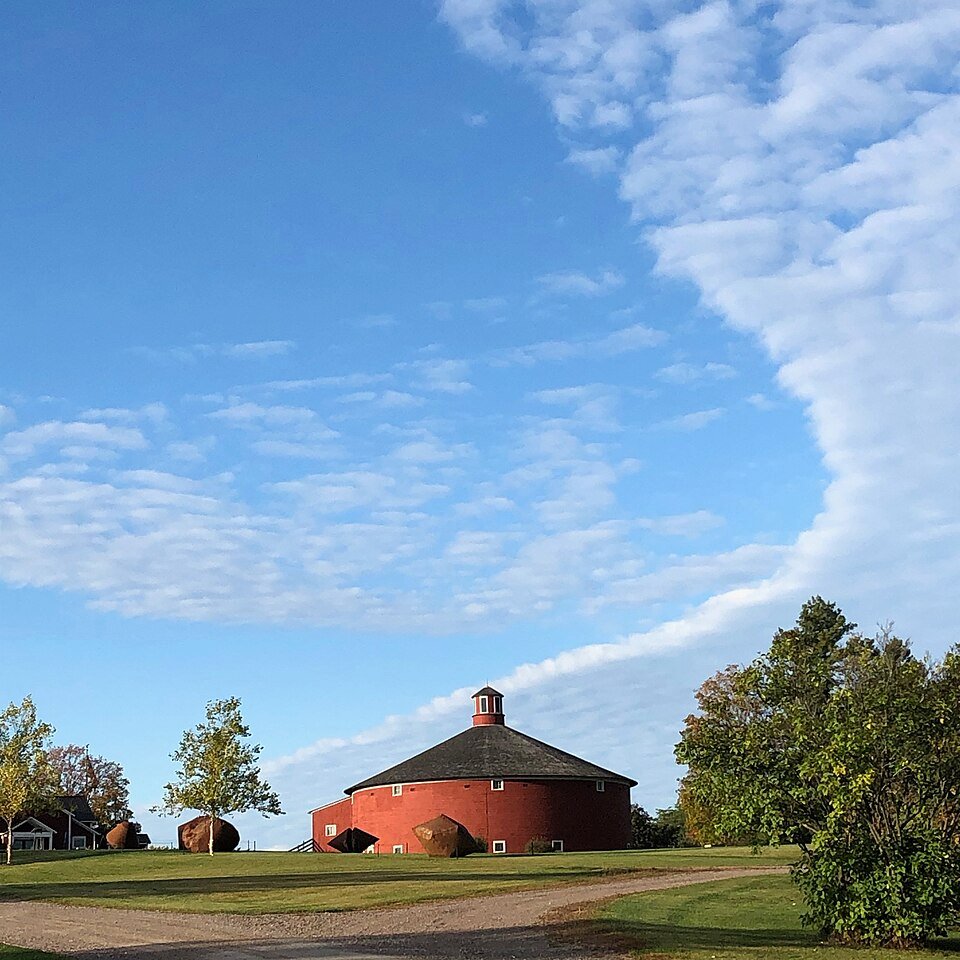
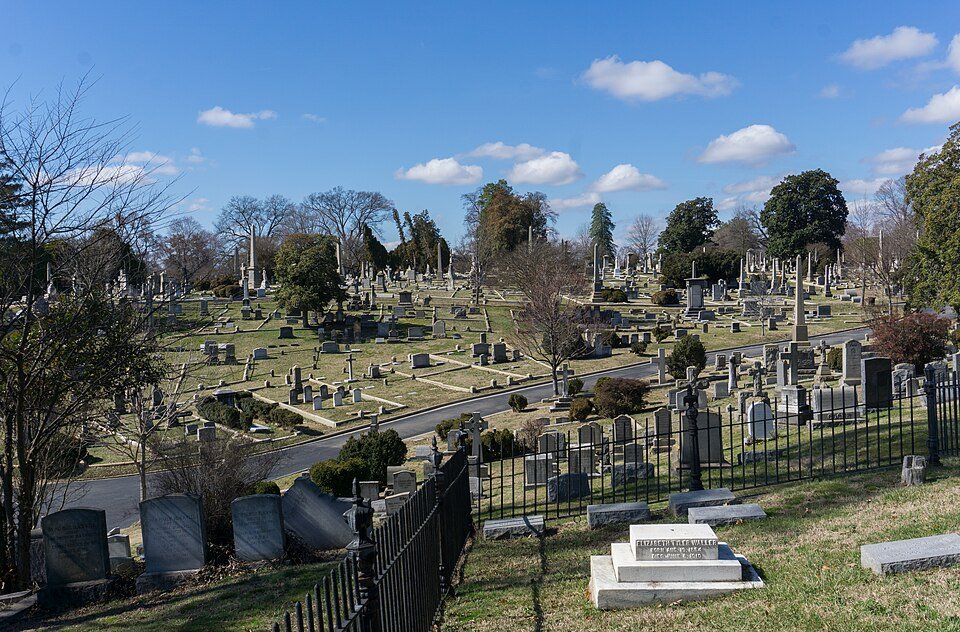
A 19th-century garden cemetery on the heights above the James River, where two presidents and thousands of Civil War soldiers are buried.
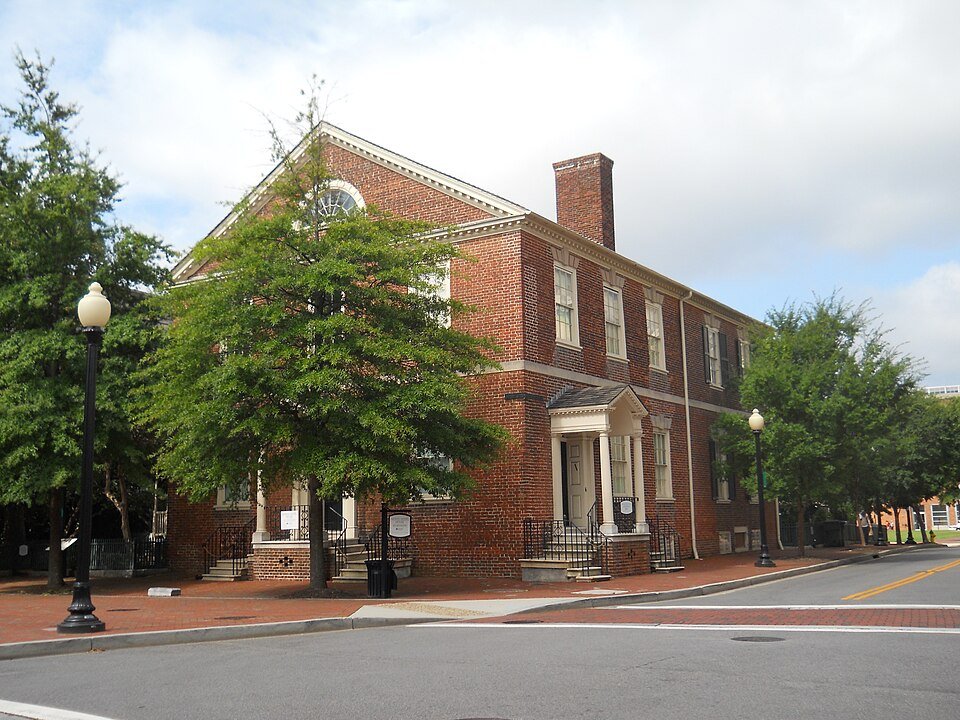
A brick Federal townhouse in downtown Norfolk where a Jewish merchant family lived, and where most of the original furnishings are still in place.
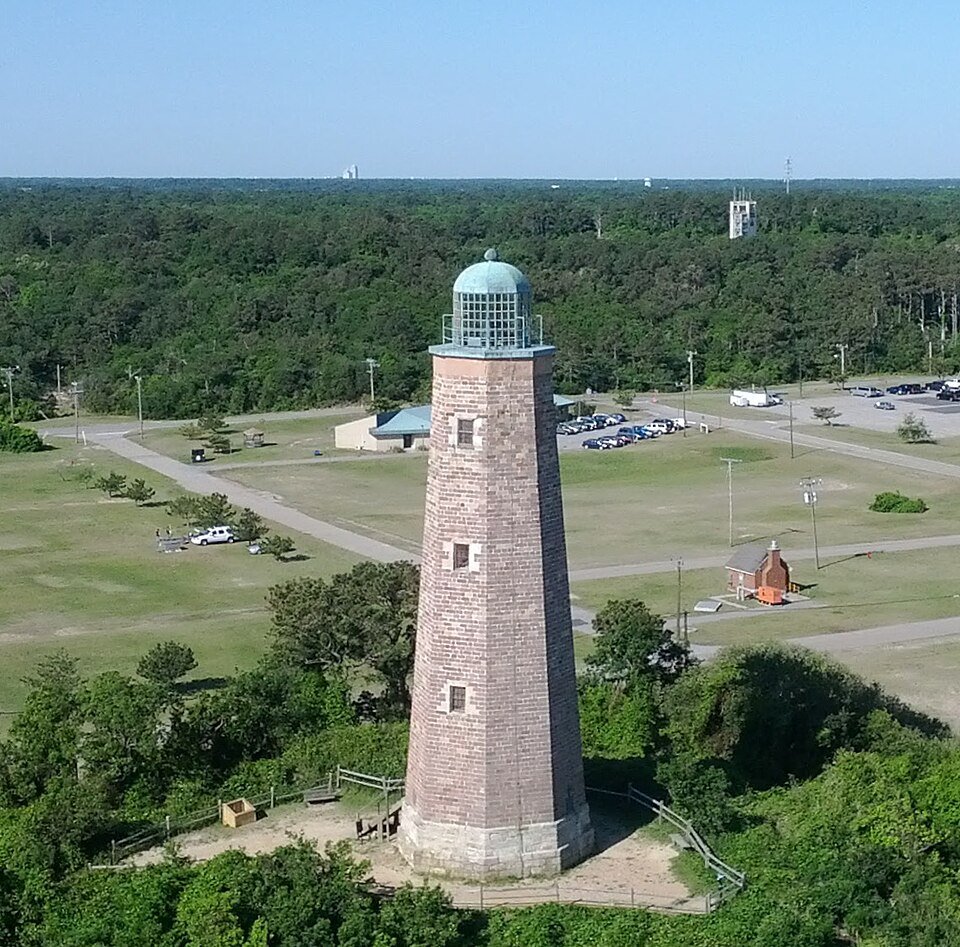
The first lighthouse built by the new federal government, an eight-sided sandstone tower at the mouth of Chesapeake Bay, still standing beside its replacement.
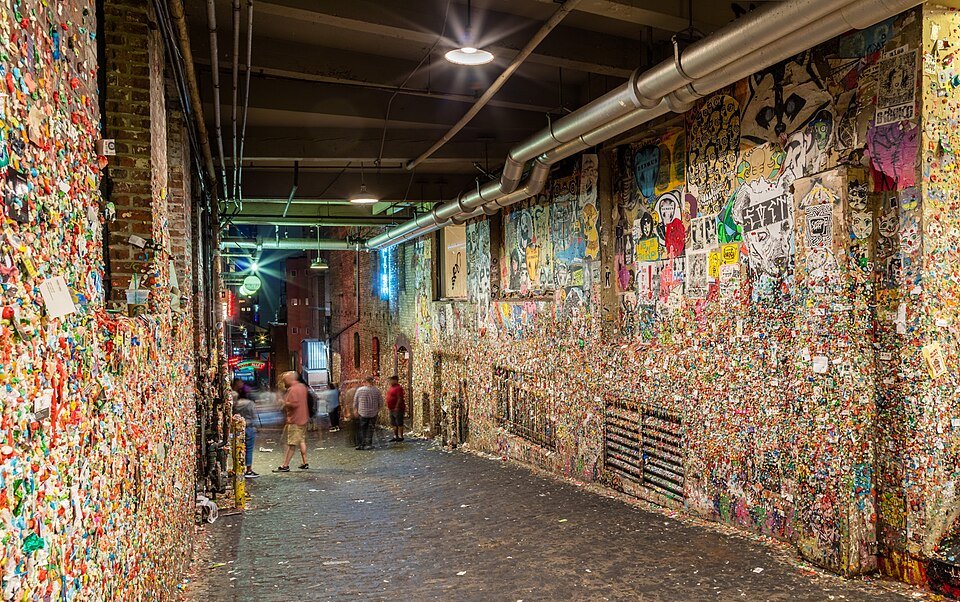
A brick wall under Pike Place Market that visitors have covered in used chewing gum, thick enough that it needs a steam cleaning every few years.
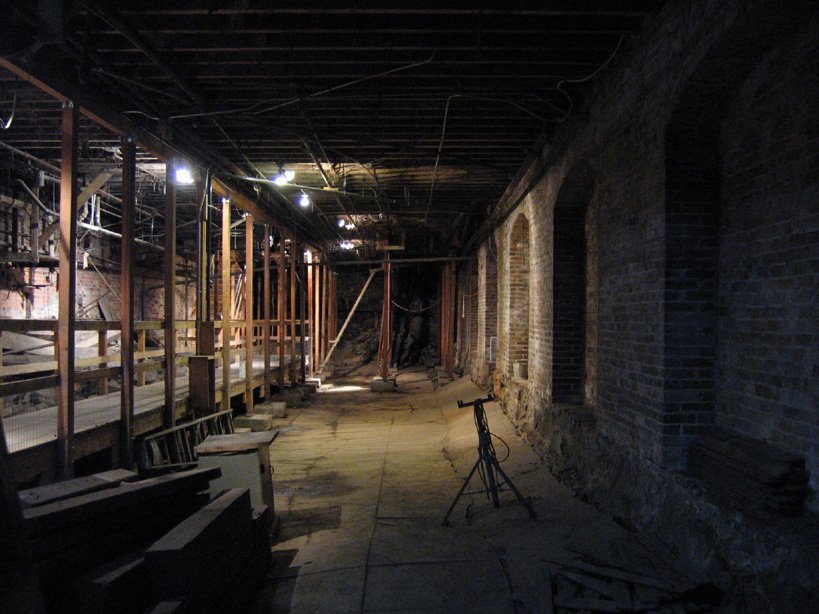
The old ground floors and sidewalks of Pioneer Square, left beneath the city when Seattle raised its streets after the fire of 1889.
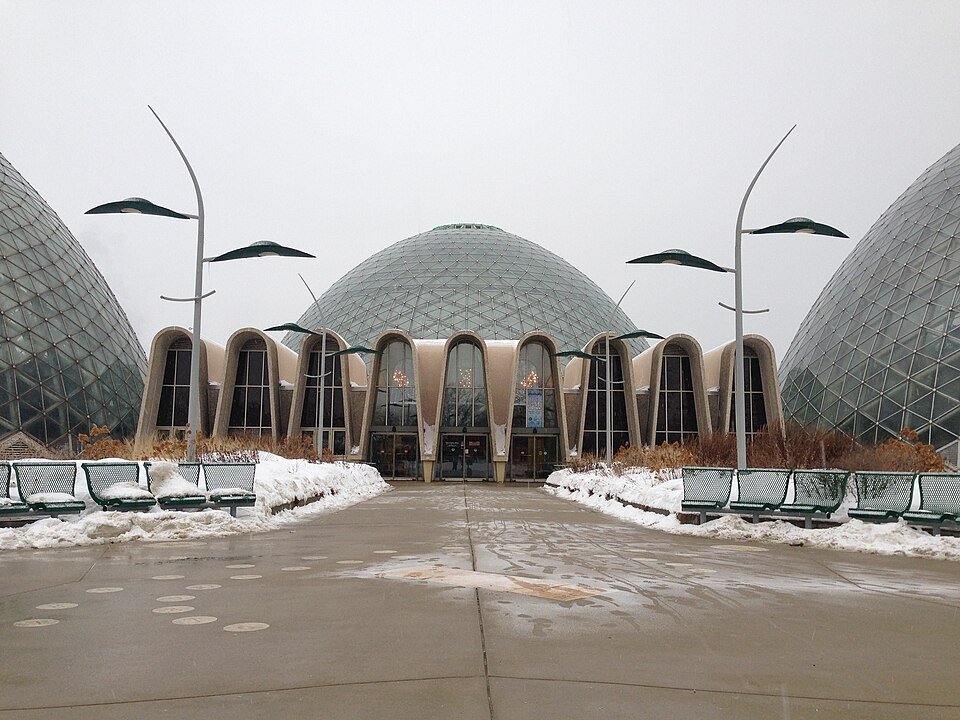
Three glass domes on Milwaukee’s south side, each holding its own climate: seasonal flower shows, a tropical forest and a desert.
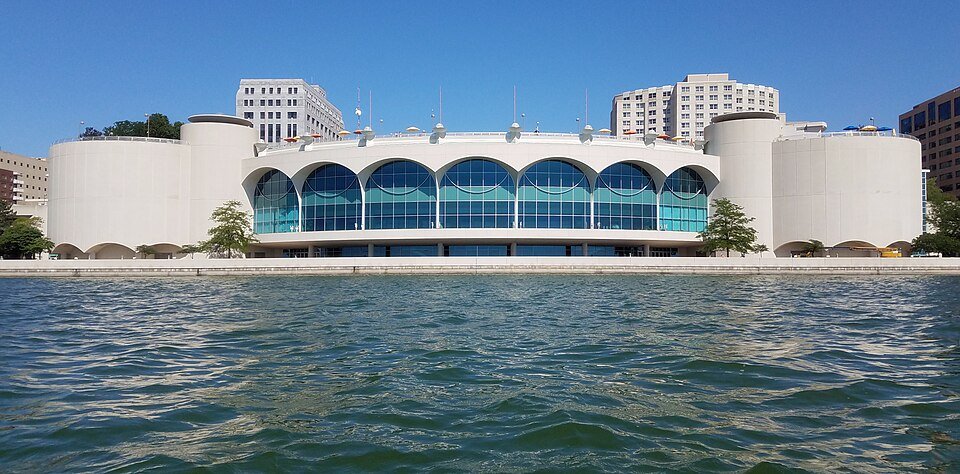
A convention center on Lake Monona drawn by Frank Lloyd Wright in 1938, rejected by one vote, and finally built nearly 60 years later.