
Gettysburg: Devil’s Den Self-Guided Walking Tour
4.1 ★ · 16 reviews · 0 h
Covers the battlefield
$9.99per personSee this experience
Hidden · Gettysburg, United States
A hill of huge boulders on the Gettysburg Battlefield, used by artillery and sharpshooters on the second day of the battle.
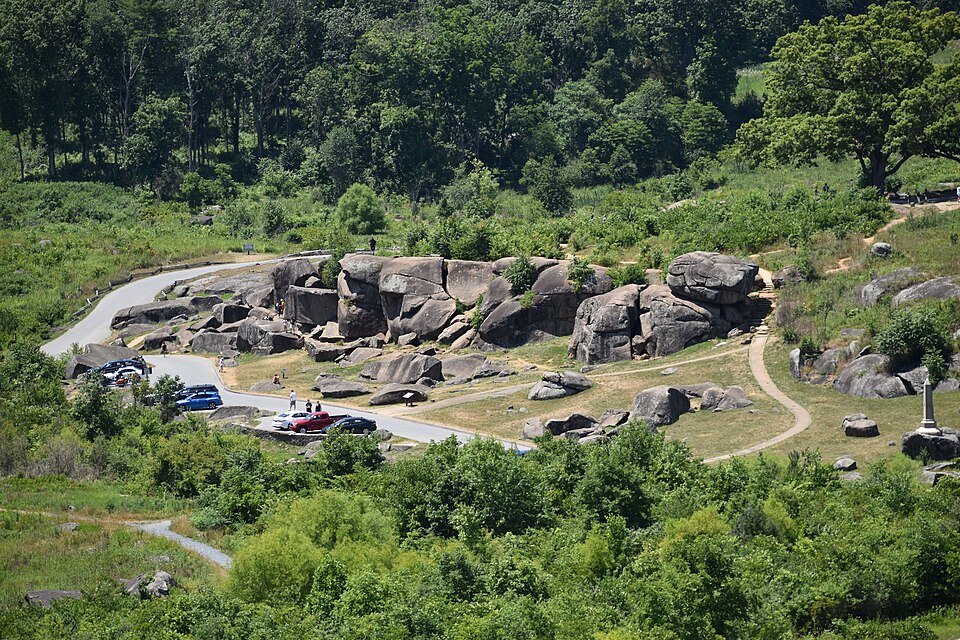
Devil’s Den is a boulder-strewn hill at the south end of Houck’s Ridge on the Gettysburg Battlefield. It formed together with Little Round Top and Big Round Top, when a mass of igneous rock about 200 million years old was split by frost over a long time.
The name goes back before 1863. In the mid-1800s local people believed a large snake lived in the crevices between the boulders, with accounts ranging from about 8 to 15 feet long. They called it “The Devil,” and the place became The Devil’s Den. Some soldiers wrote of a “Devil’s Cave” instead.
On the second day of the Battle of Gettysburg, a Union battery with six Napoleon smooth-bore guns used the hill to fire back at Confederate artillery. As Confederate attacks came in that afternoon, Devil’s Den was the far left of the Union line there. The First Texas Regiment pushed to the crest and drove the Union gunners off, and Confederate soldiers then used the hill as a base for an attack on the Wheatfield. Sharpshooters placed among the rocks fired on Union soldiers on Little Round Top.
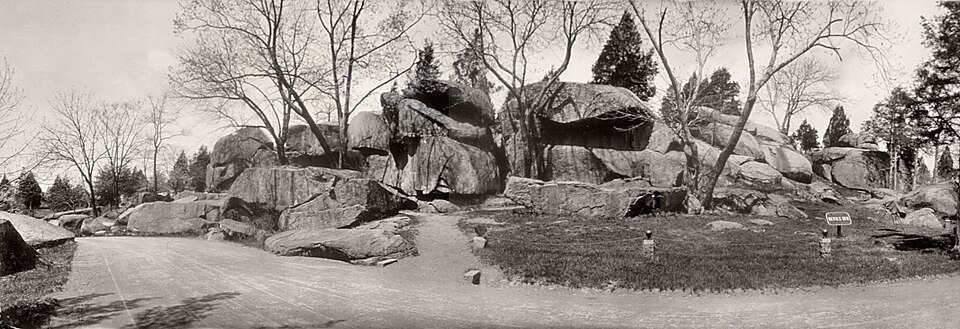
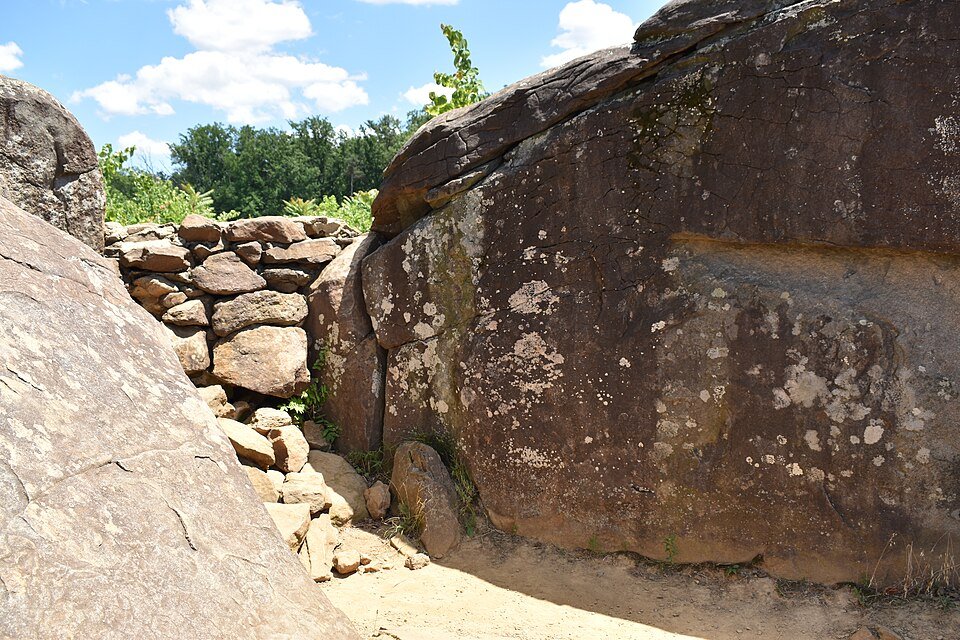
The site has been a tourist attraction since the era of the memorial association. A monument to the 124th New York was dedicated nearby in 1884, avenues were built to reach it, and from 1894 to 1916 an electric railway curved around the base of the hill. Today several boulders are worn by foot traffic, and the area has cannons, memorials, walkways and a bridge that spans two boulders. Remember that this is ground where many soldiers fought and fell, and treat it with respect.
4.1 ★ · 16 reviews · 0 h

4.7 ★ · 2522 reviews · 2 h
Sold by Viator. Prices and review counts checked on 09/09/2026. The first tour is a self-guided walk at Devil’s Den; the second covers the Gettysburg Battlefield. Check each itinerary for its stops.
Before the battle, local people believed a large snake lived in the crevices between the boulders. They called it “The Devil,” and the area became The Devil’s Den.
On July 2, 1863, a Union battery used the hill to fire at Confederate artillery. Confederate troops later captured it, and sharpshooters fired from among the rocks at Union soldiers on Little Round Top.
They come from a diabase rock mass about 200 million years old, split by frost wedging into the boulders you see today, like Little Round Top and Big Round Top.
Walkways and a bridge between two boulders cross the area, and several boulders are worn from foot traffic. Check the park’s current rules before you go.
Walking tours, day trips and experiences around this area, on GetYourGuide.