Hidden · Mount Washington, the White Mountains, United States
Mount Washington Cog Railway
The world's first mountain-climbing cog railway, a steam and biodiesel line that has been hauling passengers up Mount Washington since 1869.
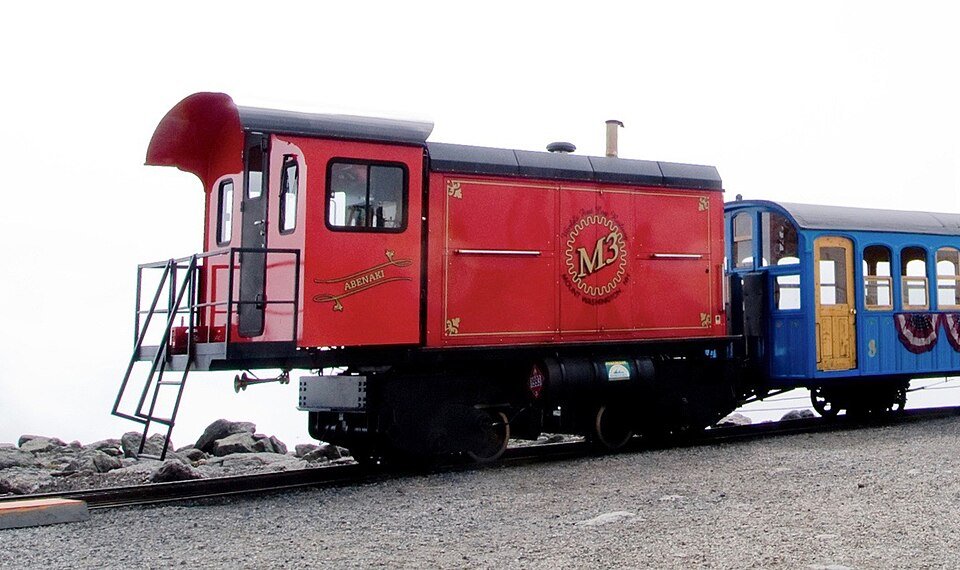
A railway that climbs at up to 37 percent.
The Cog is the world's first mountain-climbing cog railway. It runs up the western slope of Mount Washington in New Hampshire on a rack-and-pinion system, using both steam and biodiesel locomotives. The line is about 3 miles long, starts at roughly 2,700 feet and stops just short of the 6,288-foot summit. Its average grade is over 25% and its steepest section reaches 37%, which makes it the second-steepest rack railway in the world after Switzerland's Pilatus Railway.
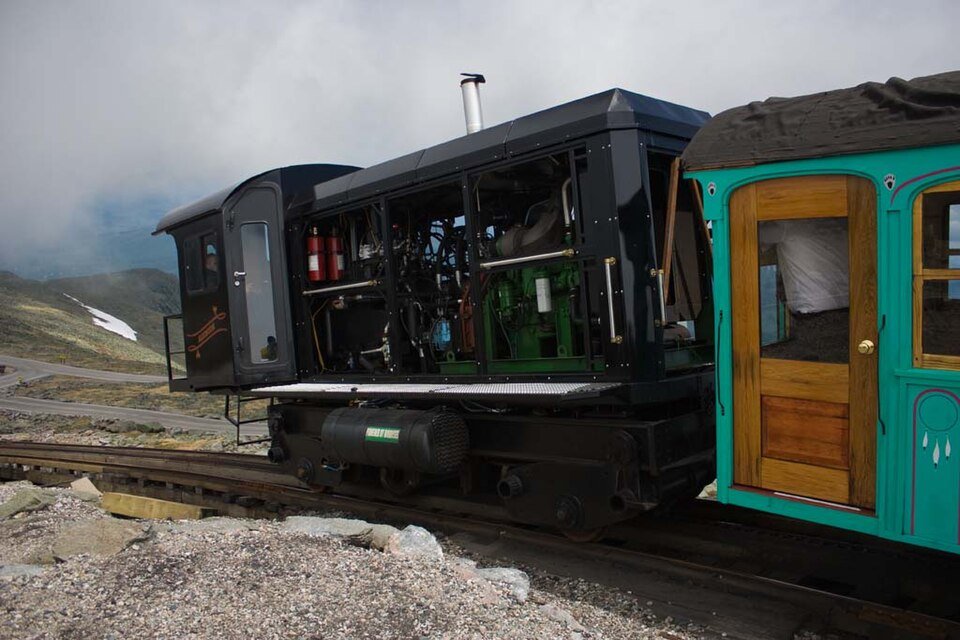
Trains climb at 2.8 miles per hour and come down at 4.6. A steam locomotive needs about 65 minutes to go up and 40 to come down, while the biodiesel engines can do the climb in as little as 36 minutes. Each train is a locomotive pushing a single passenger car up the mountain, then going down in reverse.
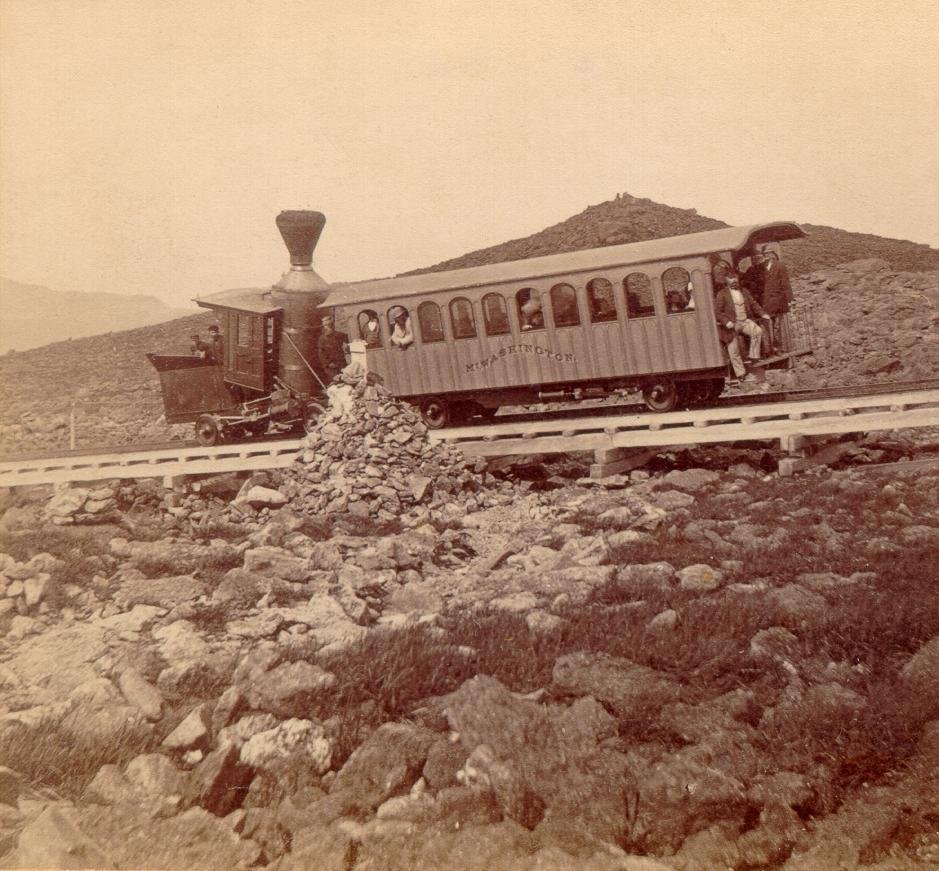
The founder, Sylvester Marsh, got the idea while climbing the mountain in 1852 and was told it was insane. One story says a legislator joked that he should get a charter to the moon, which gave the line the nickname "Railway to the Moon". He received the charter in 1858, and the Civil War delayed work until 1866. The first paying passengers rode in 1868 and the track reached the summit in July 1869.
A rack, a slideboard and two fatal accidents.
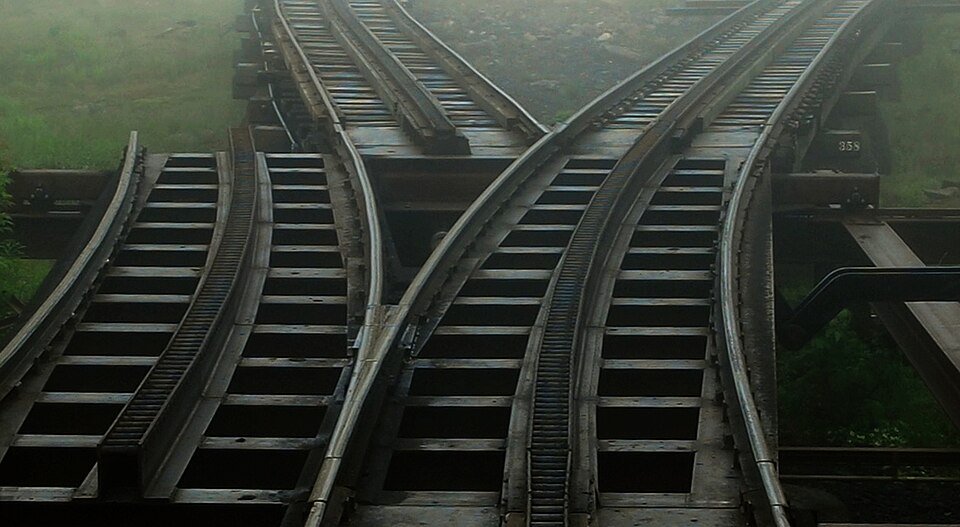
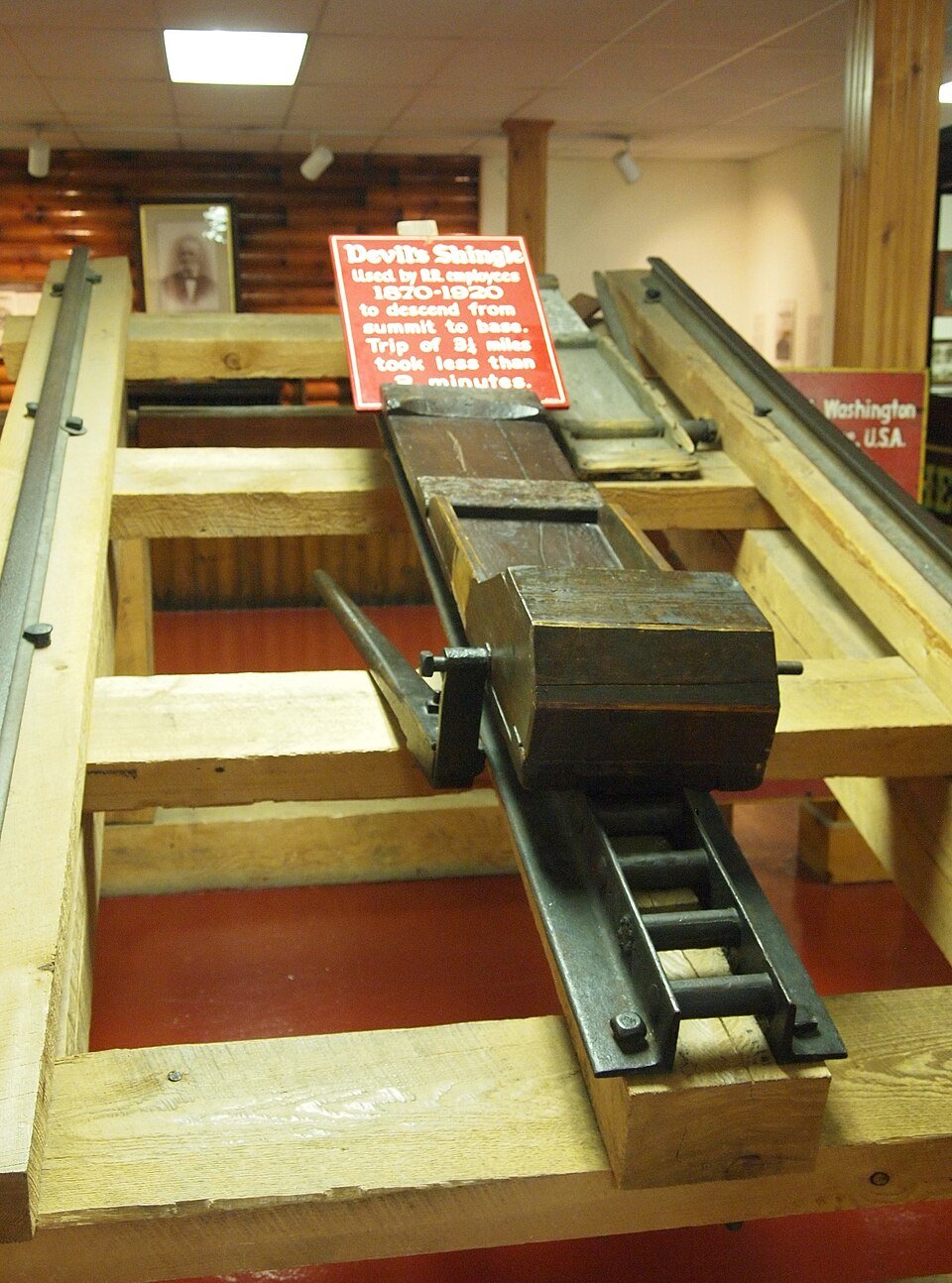
The Cog has run continuously since 1869, interrupted only during the World Wars, and has carried more than five million people to the summit. Marsh's rack is ladder-like with open rungs, so snow and debris fall through instead of jamming it. Workers on the early line invented "Devil's shingle" slideboards to slide down the rack, and the record descent was 2 minutes 45 seconds. The boards were banned in 1908 after an employee died, although some workers kept using them into the 1920s.
There have been two fatal accidents. On July 20, 1929, the restored locomotive Old Peppersass was making a commemorative descent when a gear tooth broke and it left the track; a photographer riding it died. The engine was later reassembled and is on display at the base station. On September 17, 1967, eight passengers were killed and 72 injured when a locomotive derailed at the Skyline switch, about a mile below the summit after a switch was not set properly. A brakeman now watches from the lead platform of the passenger car.
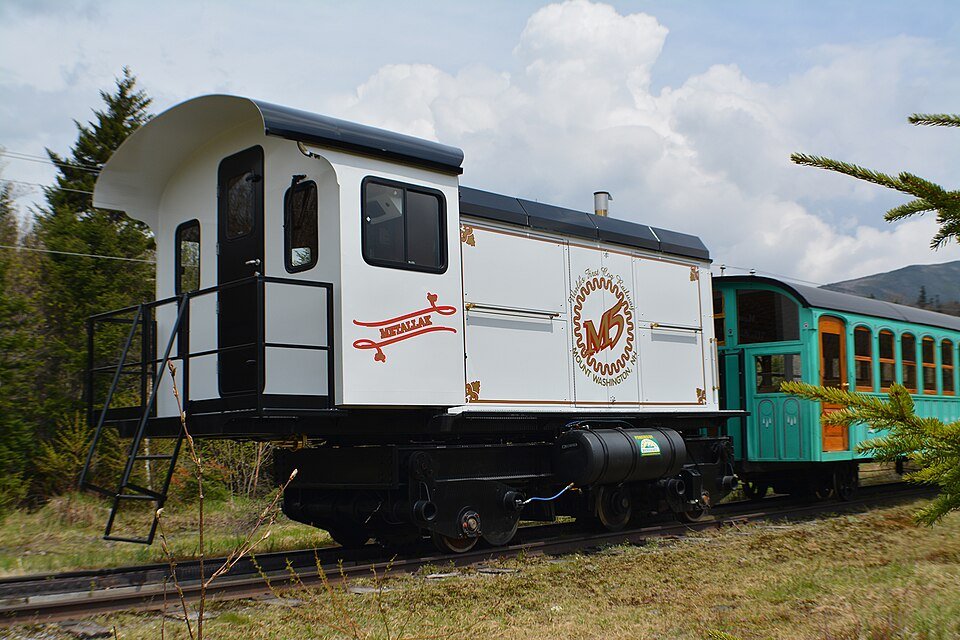
Recent years brought change. The first diesel locomotive arrived in 2008 and by 2019 seven biodiesel locomotives had been built in the company shops at the base. In 2021 the railway replaced its rail with heavier rail and finished a large new maintenance facility. That facility made winter operations possible again from 2020, with trains running as far as Waumbek Station, at about 3,800 feet.
The railway and its locomotives.
Practical notes.
Before you go.
Is the Mount Washington Cog Railway the first of its kind?
Yes. It is the world's first mountain-climbing cog railway. It carried its first paying passengers in 1868 and reached the summit in 1869.
How steep is the Mount Washington Cog Railway?
Its average grade is over 25% and its maximum is 37%. Only Switzerland's Pilatus Railway is steeper.
How long is the ride up Mount Washington?
About 65 minutes up and 40 down with a steam locomotive. The biodiesel locomotives can make the climb in as little as 36 minutes.
Is the Cog Railway safe?
The railway has carried more than five million passengers and had two fatal accidents, in 1929 and 1967. After the 1967 derailment a brakeman now rides the lead platform of the passenger car watching for hazards.
Around the White Mountains
Walking tours, day trips and experiences around this area, on GetYourGuide.