Hidden · Brooklyn, United States
Green-Wood Cemetery
A 19th-century cemetery that worked as Brooklyn's public park by default, long before Prospect Park existed, with glacial hills, landmark gates and views of the harbor.
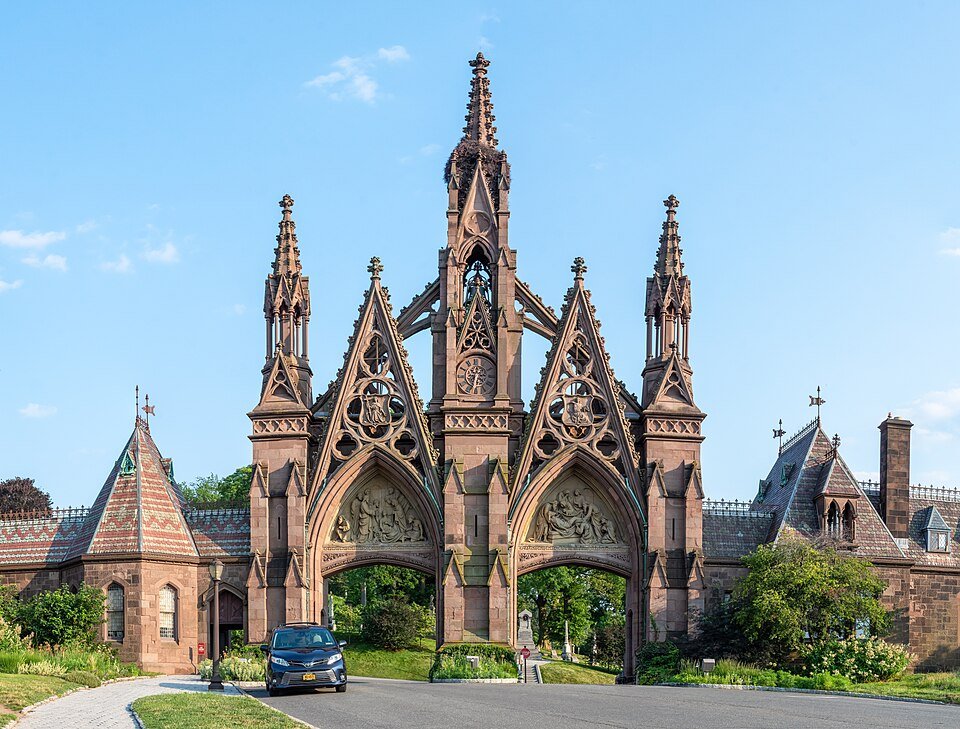
A rural cemetery on glacial hills, with the highest natural point in Brooklyn.
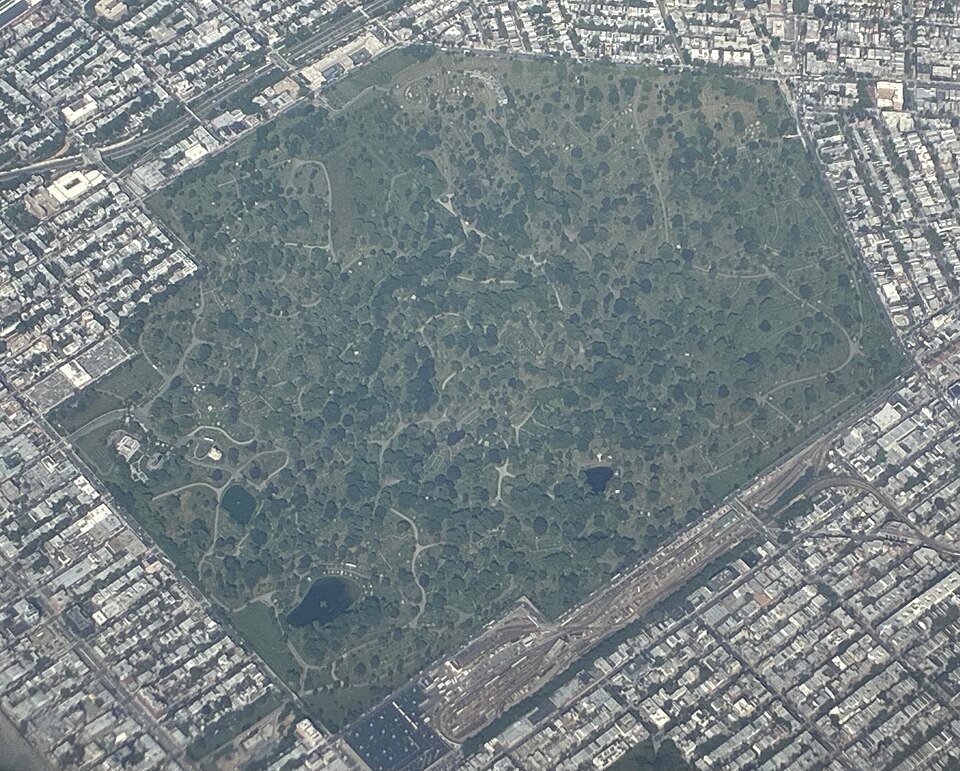
Green-Wood Cemetery covers 478 acres in western Brooklyn, hemmed in by city streets, apartment buildings and workshops. It was founded in 1838 as a rural cemetery, when the churchyards of Brooklyn and New York were filling up, and today it holds about 570,000 burials.
The ground is a run of hills and hollows left behind by glaciers. The landscape architect David Bates Douglass kept most of that terrain and laid out the roads and paths. Features carry names like Halcyon Lake and Sylvan Cliff. The cemetery was inspired by Père Lachaise in Paris and by Mount Auburn in Massachusetts, where a cemetery in a naturalistic, park-like setting was first established.
Battle Hill, about 216 feet above sea level, is the highest natural point in Brooklyn. It is named for a skirmish fought there on August 27, 1776, during the Battle of Long Island. From the cemetery’s higher ground you can see the Statue of Liberty, Manhattan and Coney Island.
Gates, a chapel, mausoleums and memorials to events as well as to people.
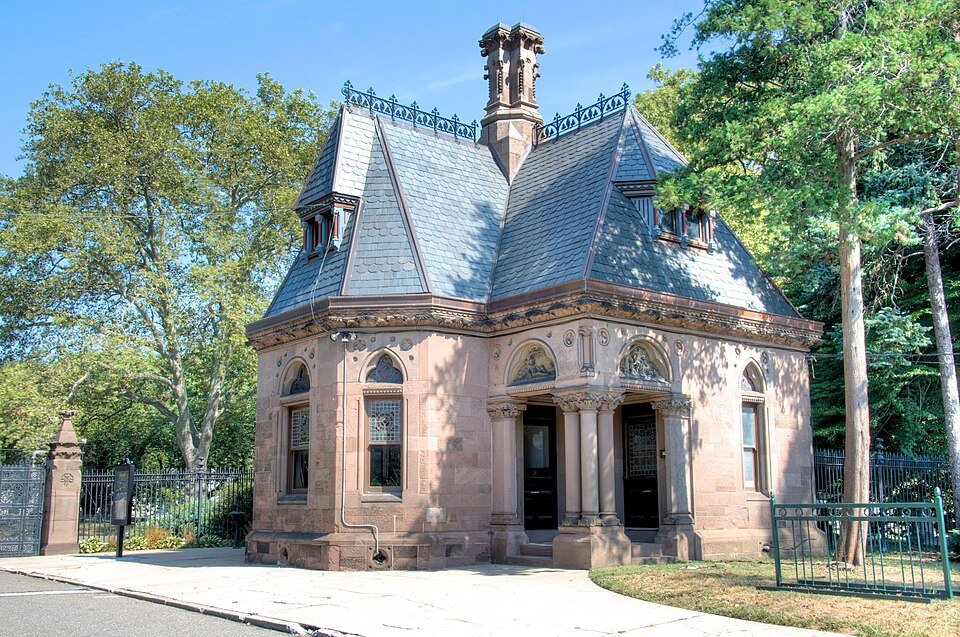
Richard Upjohn designed four gates and several shelters, and the chapel is by Warren and Wetmore. Two of the gates, the chapel and the visitor center in the Weir Greenhouse are New York City landmarks, and the whole property is a National Historic Landmark district.
The monuments follow Victorian, Classical, Egyptian, Gothic and Romanesque styles, in bronze, granite, marble, brownstone and other materials. Angels, clasped hands, hourglasses, horses and owls appear again and again. Among the mausoleums, the classical one built by the Steinway family has room for 136 bodies, and another, in granite, has its own chapel and a heating system.
Some places ask for more care. The Freedom Lots, in the southwest corner, hold the remains of 1,300 African Americans. A mass grave with a 30-foot obelisk holds 103 unidentified victims of the 1876 Brooklyn Theatre fire, and another holds unidentified victims of the 1960 mid-air collision over New York. Walk through these areas quietly.
Gates, trees and mausoleums.
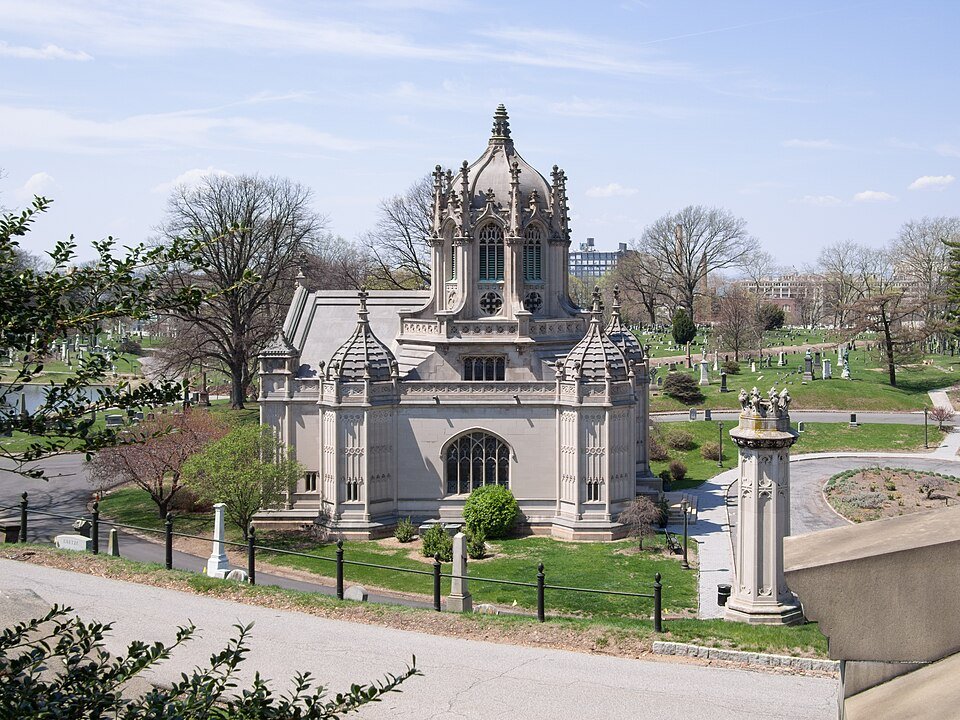
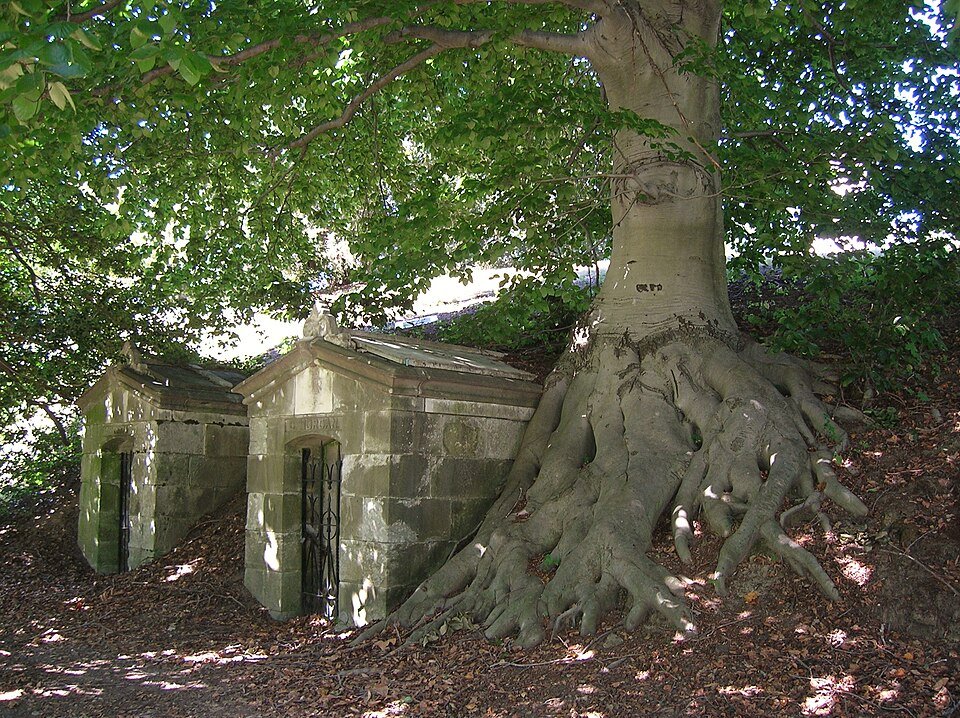
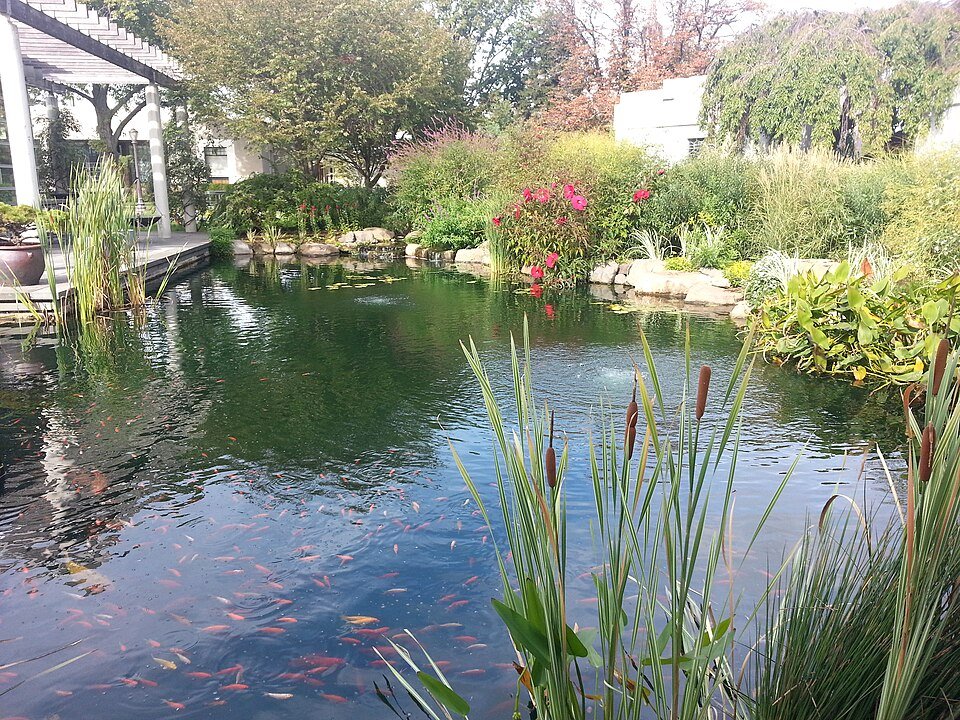
Practical notes.
Before you go.
Is Green-Wood Cemetery open to visitors?
Yes. It is open for public visitation and hosts hundreds of events each year. Hours and entrances can change, so check the official website before you go.
Who is buried at Green-Wood?
About 570,000 people as of 2024, including many politicians, soldiers, artists and business figures. There are also communal burial sites, such as the Freedom Lots and a soldiers’ lot.
Can you see the Statue of Liberty from the cemetery?
From the cemetery’s higher ground you can see the Statue of Liberty and New Jersey to the west, Manhattan to the north, and Coney Island and Staten Island to the south.
Can you bike or drive in Green-Wood?
Vehicles are allowed on the cemetery’s roads, but bicycles are generally banned except at special events such as tours and races.
Around Brooklyn
Walking tours, day trips and experiences around this area, on GetYourGuide.