Hidden · Pullman, Chicago, United States
Pullman National Historical Park
A planned railroad-car company town on Chicago’s far South Side, the setting of the 1894 Pullman strike and of a landmark chapter in Black labor history.
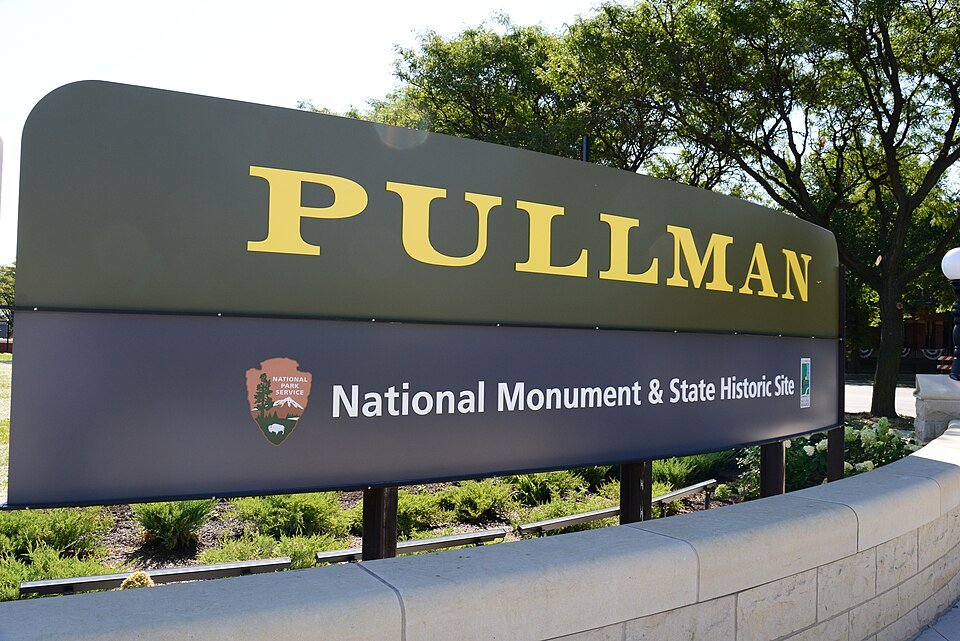
A model town built around a railroad-car factory.
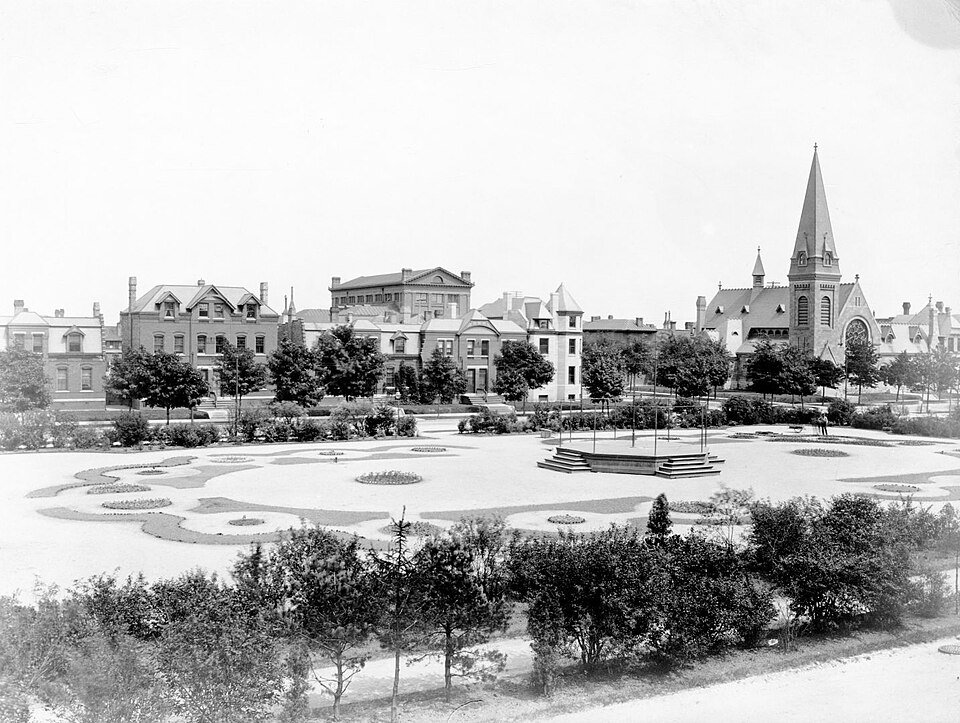
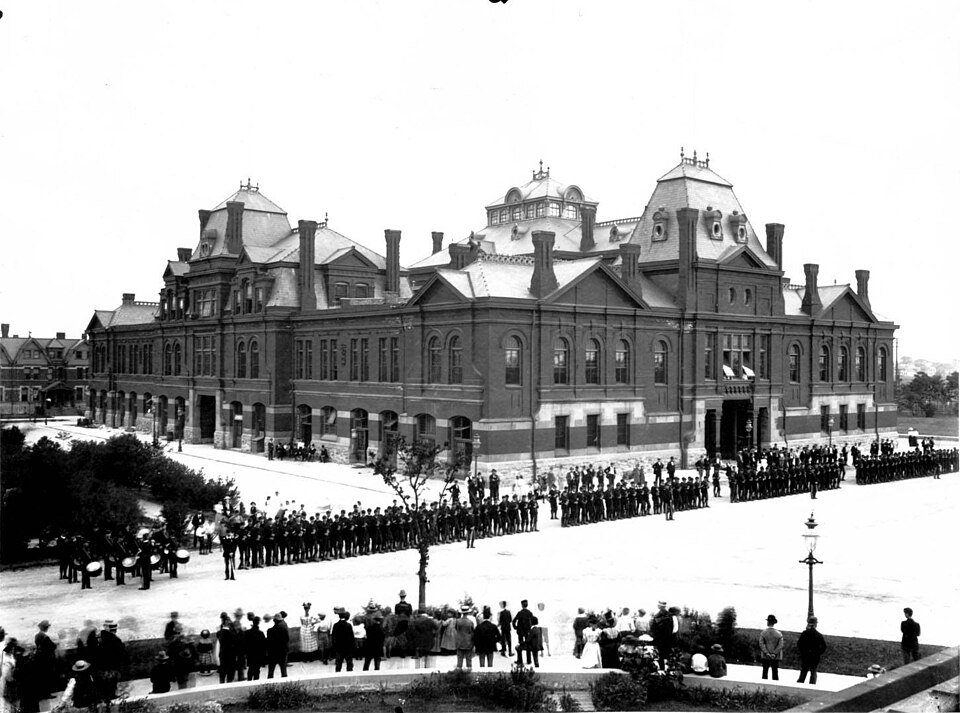
Pullman is a historic district in Chicago that began as the first model, planned industrial community in the United States. It was built for George Pullman to produce his railroad sleeping cars, on about 4,000 acres south of the city that he bought beyond the Chicago limits. Work began in early 1880. The city annexed it in 1889.
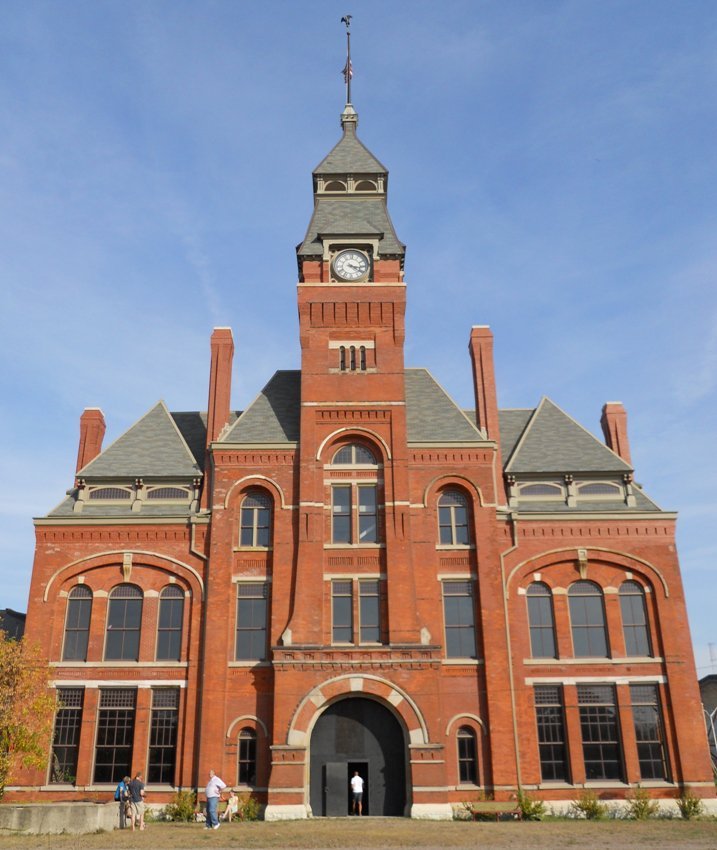
Solon Spencer Beman designed the buildings, including 1,300 housing units, and Nathaniel Franklin Barrett laid out the town and its landscape. Most of the housing was red brick rowhouses with indoor plumbing, a big improvement on the tenements workers were used to, in a style that mixed Queen Anne with Romanesque details. The ornate administration and factory complex looked out over an artificial lake, and Hotel Florence, opened in 1881, was meant to show the town to visitors.
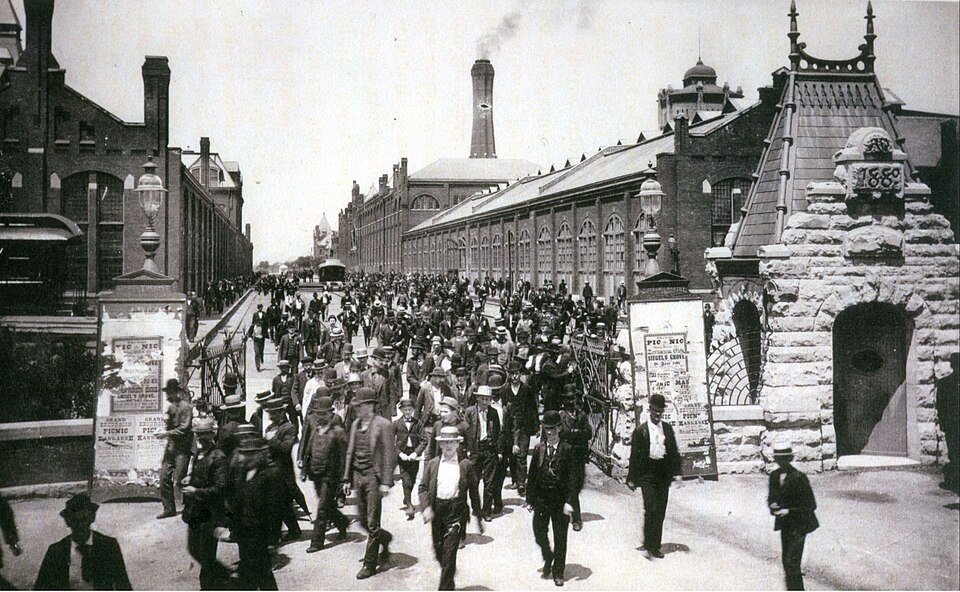
By 1883 the town had 8,000 residents. Pullman was a drawing card at the 1893 World’s Columbian Exposition, and its supporters called it a utopian community. African Americans, however, were not allowed to live there.
A strike that reached the whole country, and the porters who came after.
After the Panic of 1893 collapsed demand for sleeping cars, the company cut wages but kept rents, which were deducted from paychecks, at the same level. Workers went on strike on May 11, 1894. The American Railway Union, led by Eugene V. Debs, then launched a boycott of Pullman cars that crippled rail traffic across the country.
The railroads used strikebreakers, and the federal government sent thousands of U.S. Marshals and Army troops to Chicago. Fights between workers and the military left dozens dead or injured, and the union leaders were jailed. The strike changed the American labor landscape: it showed what a union could do, but also confirmed the government’s power to step in against strikes.
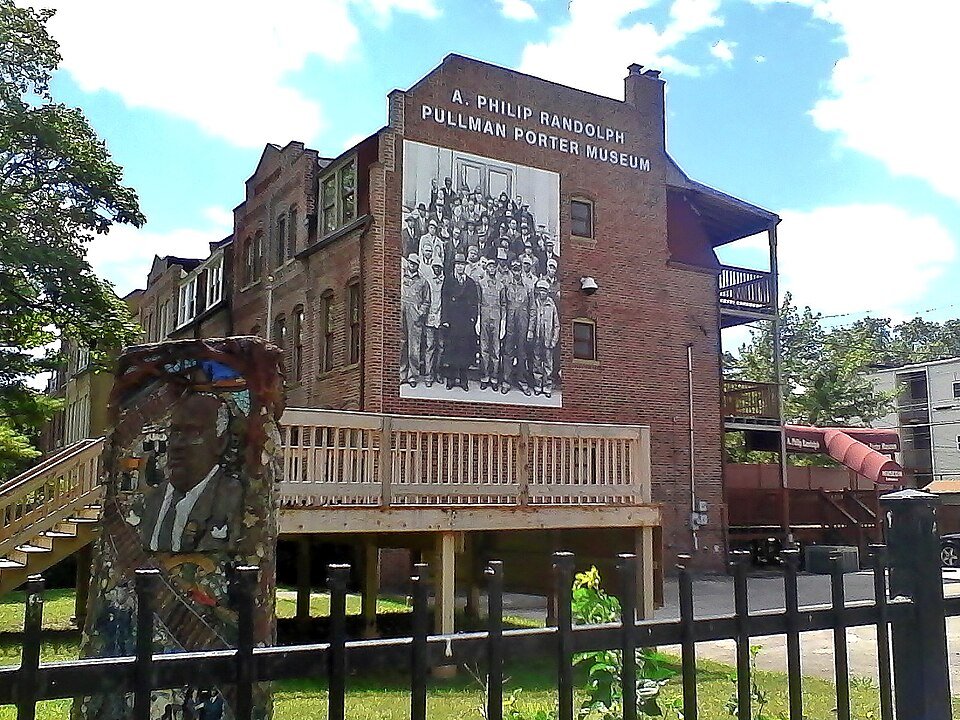
The company later became known for another story. Forty-four percent of its workforce were porters, which made Pullman the nation’s largest employer of African Americans. In 1937 the Brotherhood of Sleeping Car Porters, founded by A. Philip Randolph in 1925, reached the first major labor agreement between a company and an African American union. Today the A. Philip Randolph Pullman Porter Museum in the district explores that history. The company ceased operations in 1969, and the site became a national monument in 2015 and a national historical park in 2022.
The town and its history.
Practical notes.
Before you go.
What was the Pullman strike?
A strike by Pullman Company workers that began on May 11, 1894, after wages were cut but rents were not. It grew into a national railroad boycott led by the American Railway Union and was ended with federal troops.
Why is Pullman called a company town?
George Pullman built housing, a hotel and other buildings around his railroad-car factory and ran the town through a land association, with rents set to give the company a profit.
What is the Pullman Porter Museum?
The A. Philip Randolph Pullman Porter Museum is in the district. It is named for the labor and civil rights leader and recognizes and explores African American labor history.
Is Pullman a national monument or a national park?
Both, in turn. It was named a national monument in 2015 and redesignated a National Historical Park in 2022. Some grounds remain a state historic site.
Around Chicago
Walking tours, day trips and experiences around this area, on GetYourGuide.