Hidden · River Market, Kansas City, United States
Steamboat Arabia
A riverboat that sank in 1856 and was dug out from 45 feet under a farm field in 1988, with its cargo preserved by the mud.
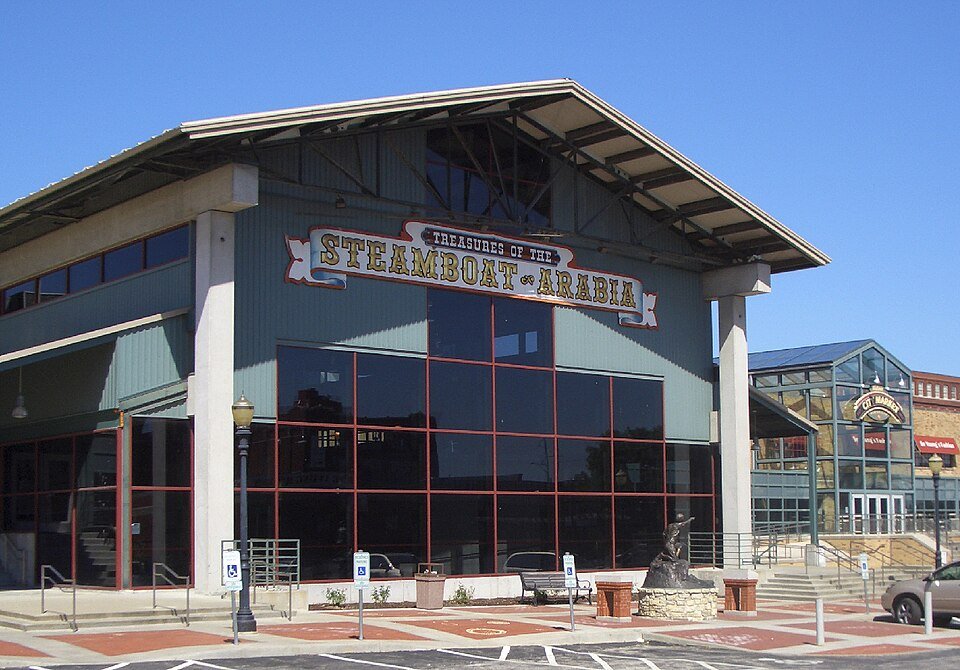
A side-wheel steamboat that hit a tree snag in the Missouri River.
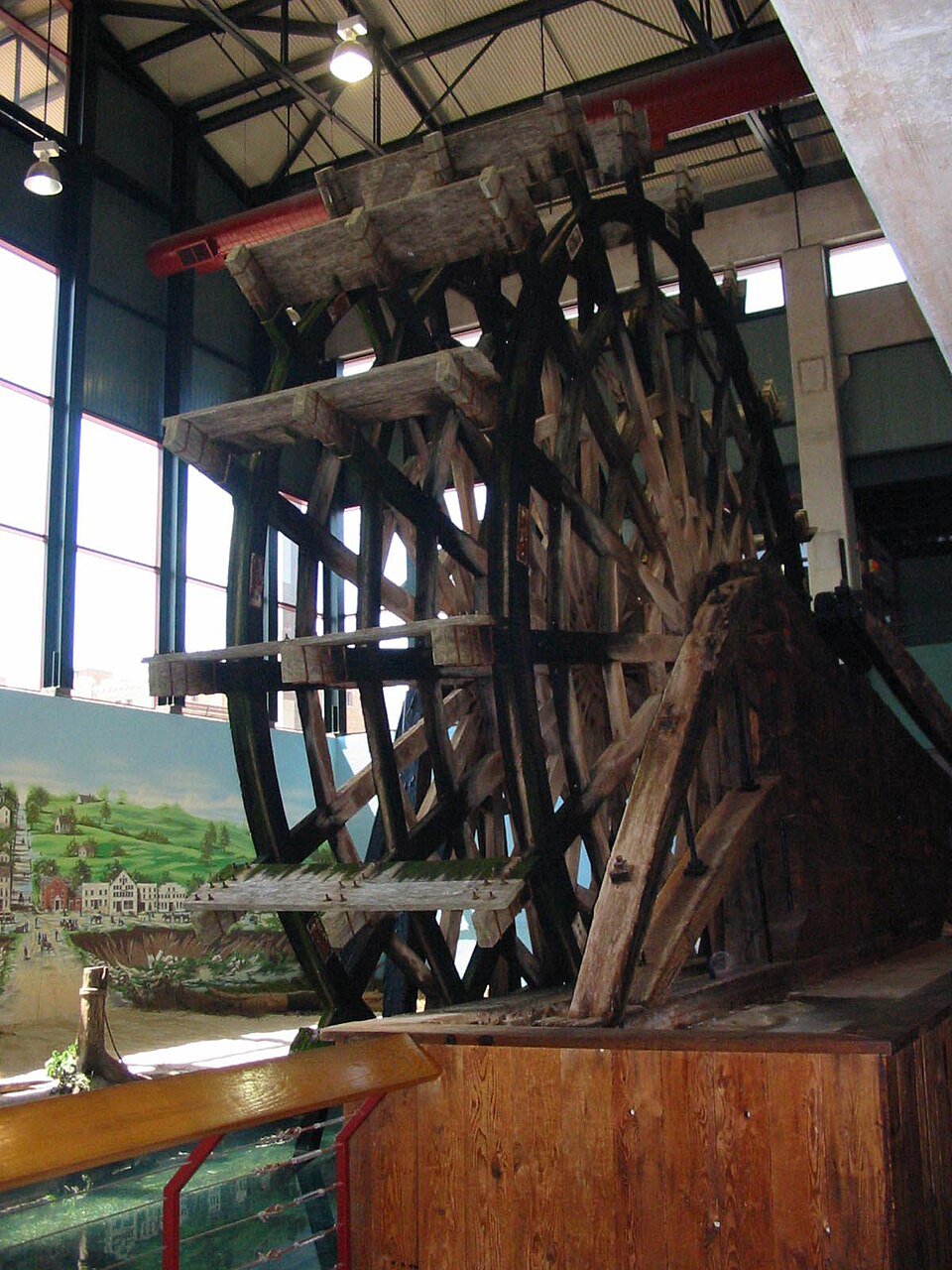
The Arabia was built in 1853 near Brownsville, Pennsylvania. Its paddle wheels were 28 feet across, its boilers burned about thirty cords of wood a day, and it averaged around 5 miles an hour going upstream. After working the Ohio and Mississippi rivers, it was bought by Captain John Shaw, who ran it on the Missouri. Its first trip there carried 109 soldiers from Fort Leavenworth to Fort Pierre, in present-day South Dakota, and went on up the Yellowstone River; the whole trip took nearly three months.
In March 1856, pro-slavery Border Ruffians stopped and searched the boat near Lexington, Missouri. According to newspaper accounts of the time, a letter dropped by a Pennsylvania abolitionist aboard described weapons sent by an abolitionist aid society to the Kansas Territory. Boxes labeled “Carpenters Tools” that held 100 rifles and 2 cannons were confiscated.
On September 5, 1856, near Quindaro Bend, the Arabia struck a submerged sycamore snag that ripped open its hull. The upper decks stayed above water and the only casualty was a mule tied below deck and overlooked. The boat sank into the mud so quickly that by the next morning only the smokestacks and the pilot house showed, and soon those were swept away.
Sunk in 1856, located in 1987 and dug out in 1988.
Salvage attempts failed, and over time the river shifted half a mile east, leaving the wreck beneath a field in what is now Kansas City, Kansas. The exact spot was lost, even though stories about the boat were passed down in the family that owned the land. In 1987 a team of local searchers used old maps and a proton magnetometer to locate it, half a mile from the modern river, under 45 feet of silt and topsoil.
The landowners agreed to an excavation on the condition that it end before spring planting, so digging began on November 13, 1988, when the water table was at its lowest. A 100-ton crane was brought in, and twenty irrigation pumps in 65-foot wells removed 20,000 gallons of water a minute. The Arabia was exposed on November 26, 1988.
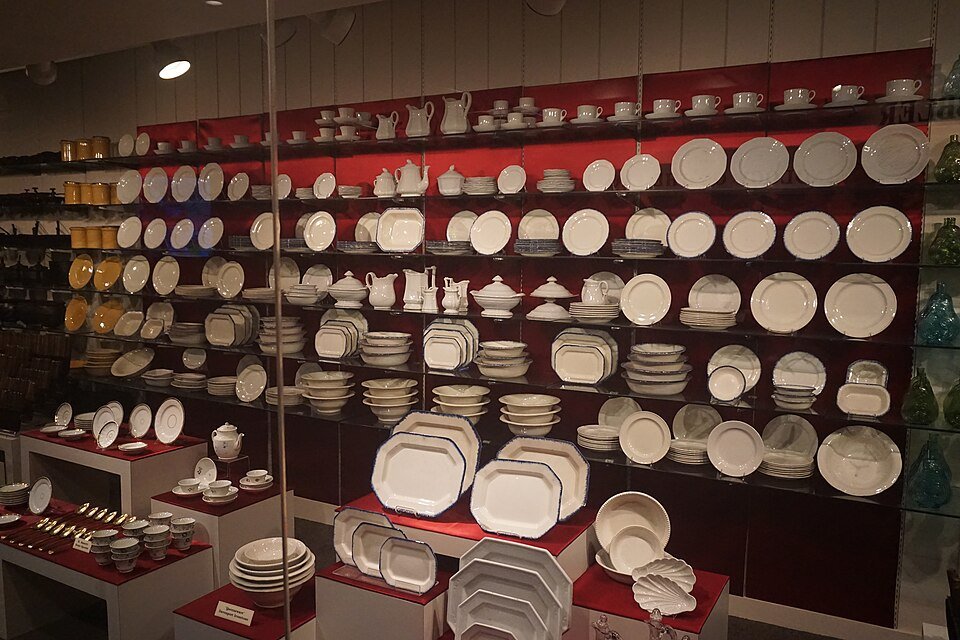
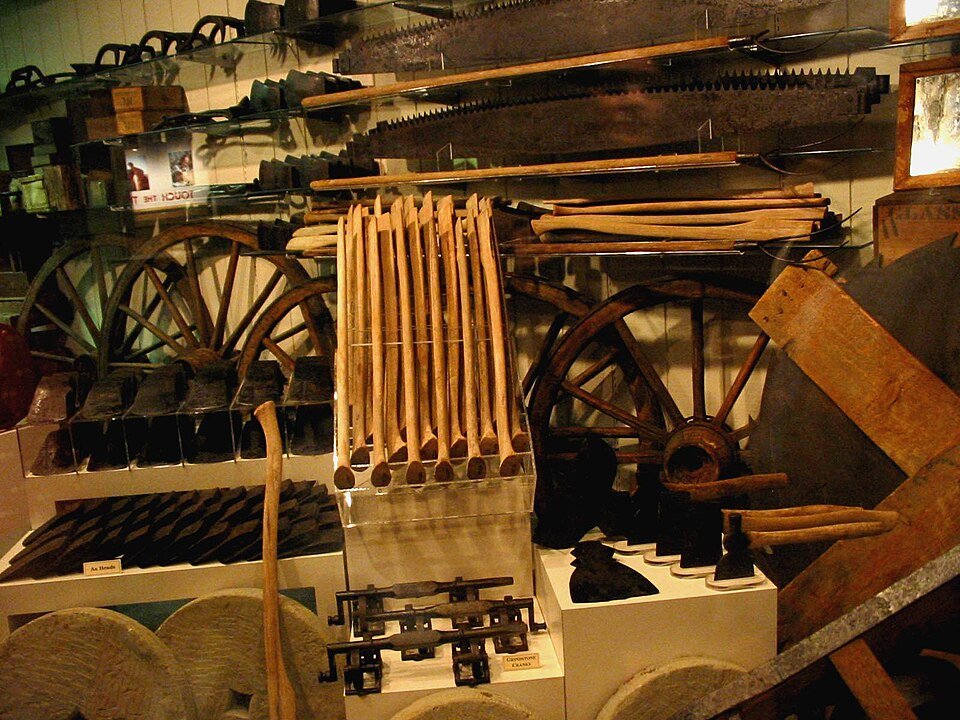
The mud had preserved the cargo. Thousands of artifacts came out intact, including crates of china with the packing straw still visible and jars of pickles that were still edible, along with the boilers, an engine and the anchor. Work stopped on February 11, 1989; the pumps were turned off, the hole filled with water overnight, and the site went back to farmland. The finds are housed in the Arabia Steamboat Museum, and there is still a lot of cargo waiting to be preserved.
The museum and its cargo.
Practical notes.
Before you go.
Where can you see the Steamboat Arabia?
The recovered artifacts are in the Arabia Steamboat Museum in Kansas City. The wreck was refilled after the dig and is farmland again, so there is nothing to see at the original site.
How did the Arabia sink?
On September 5, 1856, it hit a submerged sycamore snag at Quindaro Bend. The hull ripped open and the boat sank into the mud so fast that by the next morning only the smokestacks and pilot house showed.
Did anyone die when the Arabia sank?
The only casualty was a mule that had been tied to sawmill equipment below deck and was overlooked.
Why was the cargo so well preserved?
The boat sank into mud and was buried under silt and topsoil, which preserved it so well that packing straw was still visible and jars of pickles were still edible.
Around Kansas City
Walking tours, day trips and experiences around this area, on GetYourGuide.