Hidden · Nashville, United States
Fort Negley
A star-shaped limestone fort on a hill south of downtown Nashville, raised by Union troops and built largely by Black laborers, enslaved and free.
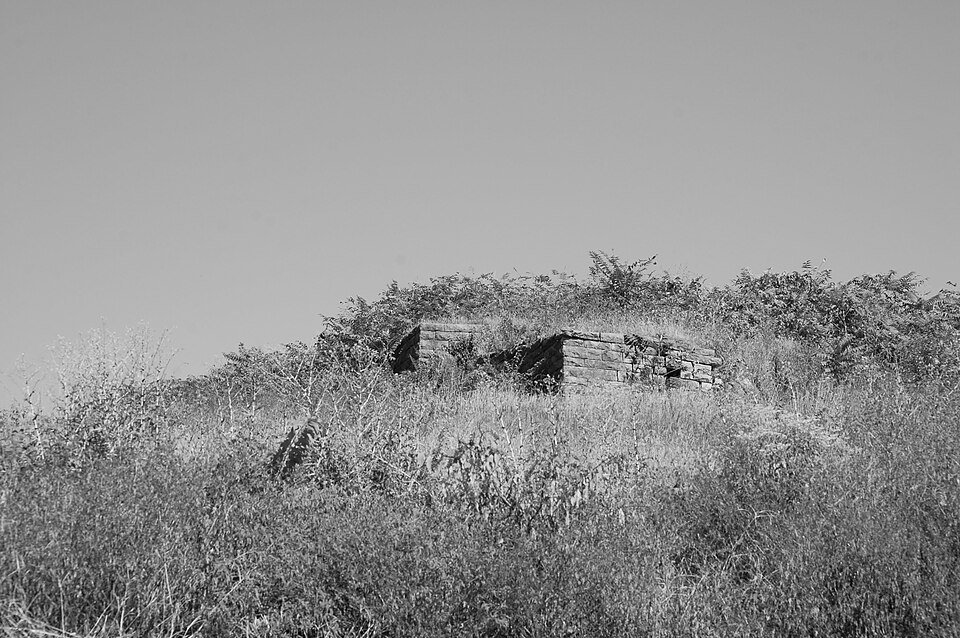
The largest inland fort built during the Civil War.
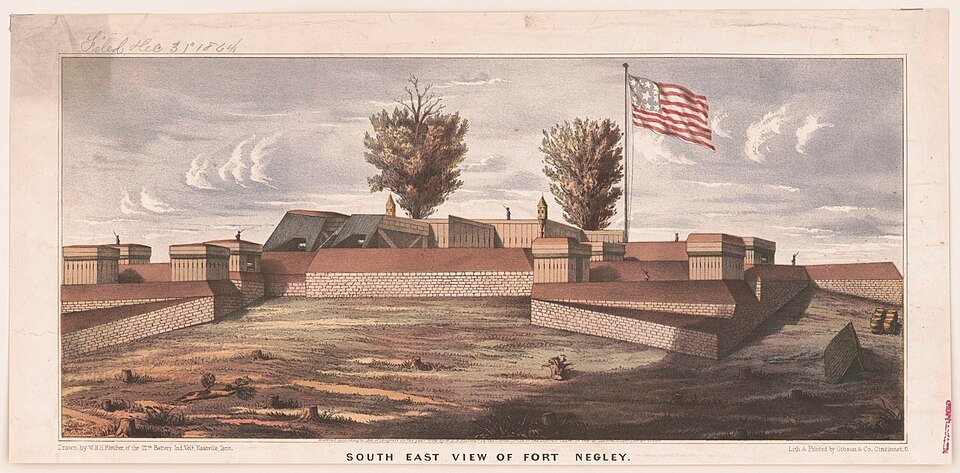
Fort Negley stands on St. Cloud Hill, about two miles south of downtown Nashville. Union troops began fortifying the city almost as soon as Confederate forces gave it up in early 1862, and this star-shaped limestone fort was the biggest of the works they raised. It is counted as the largest inland fort built in the United States during the war.
Captain James St. Clair Morton oversaw the construction, which used 62,500 cubic feet of stone and 18,000 cubic feet of earth. The fort was named for the Union commander General James S. Negley. For all its imposing look, it never played a leading military role: when the Battle of Nashville began in December 1864, the fighting took place on heights farther south.
A fort raised largely by Black labor, much of it forced.
Most of the work was done by Black laborers. They included enslaved people, women among them; newly freed people who came to Nashville after Union forces took it, understanding that working for the Union would end their enslavement; and free Black men who were forcibly conscripted. Records show 2,768 Black people officially enrolled in the construction.
After the war the fort was abandoned and fell into ruin. In the 1930s the Works Progress Administration carried out a major restoration, but the site was later closed off and the hilltop reverted to forest, while a ballpark and a science museum grew up around it. The fort reopened to visitors on December 10, 2004, after a project that stabilized the ruins, cleared many of the largest trees and set some blocks back in their original places. A visitor center followed in 2007.
The history of the labor behind the fort is now central to how the site is understood. In 2018, archaeologists found that undisturbed ground at the edge of the adjacent former stadium property held unmarked burial sites of people enslaved and forced to build Fort Negley, and the redevelopment plan was dropped. The fort is listed as a Site of Memory in UNESCO’s Slave Route Project, and a master plan for the park and its interpretation was completed in 2022.
The fort then and now.
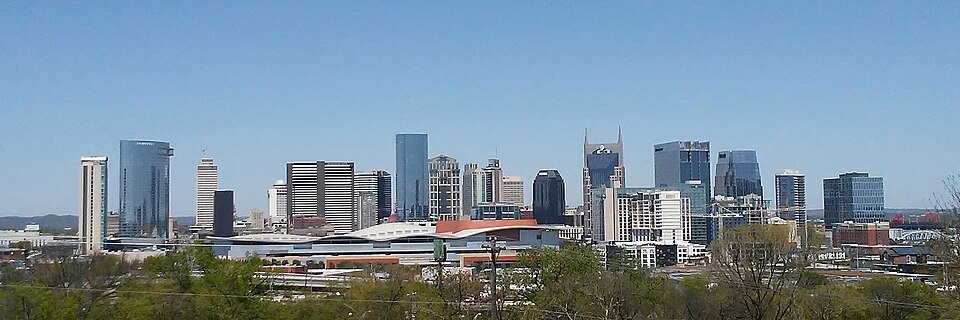
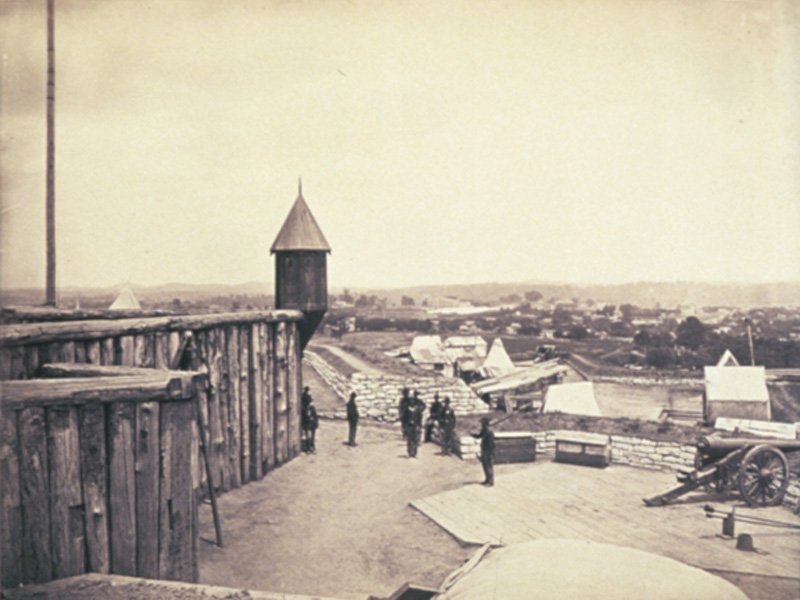
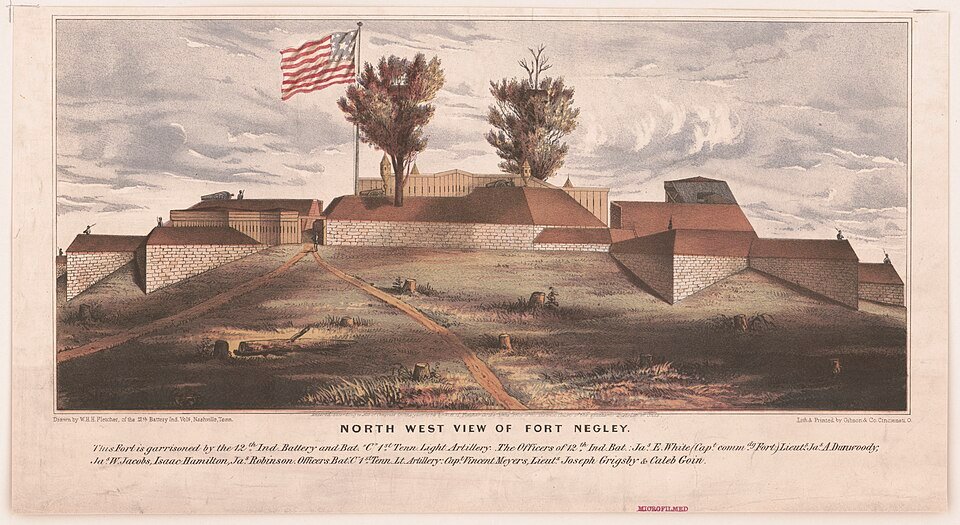
Practical notes.
Before you go.
Who built Fort Negley?
Black laborers did most of the work: enslaved people, newly freed people who had come to Nashville, and free Black men who were forcibly conscripted. Records show 2,768 Black people officially enrolled in its construction.
Why is it called Fort Negley?
It was named for General James S. Negley, the Union Army commander in Nashville at the time.
Was there fighting at Fort Negley?
Not in a leading role. The Battle of Nashville in December 1864 was fought on heights farther south of the city, and the fort never played a major part in it.
Can you visit Fort Negley today?
Yes. It reopened to the public in 2004 after years of closure, and a visitor center was built in 2007. Opening days and hours change, so check the official website first.
Around Nashville
Walking tours, day trips and experiences around this area, on GetYourGuide.