
Santa Fe Ultimate History Walking Tour
4.9 ★ · 589 reviews · 3 h
Covers historic downtown
$135.00per personSee this experience
Hidden · Santa Fe, United States
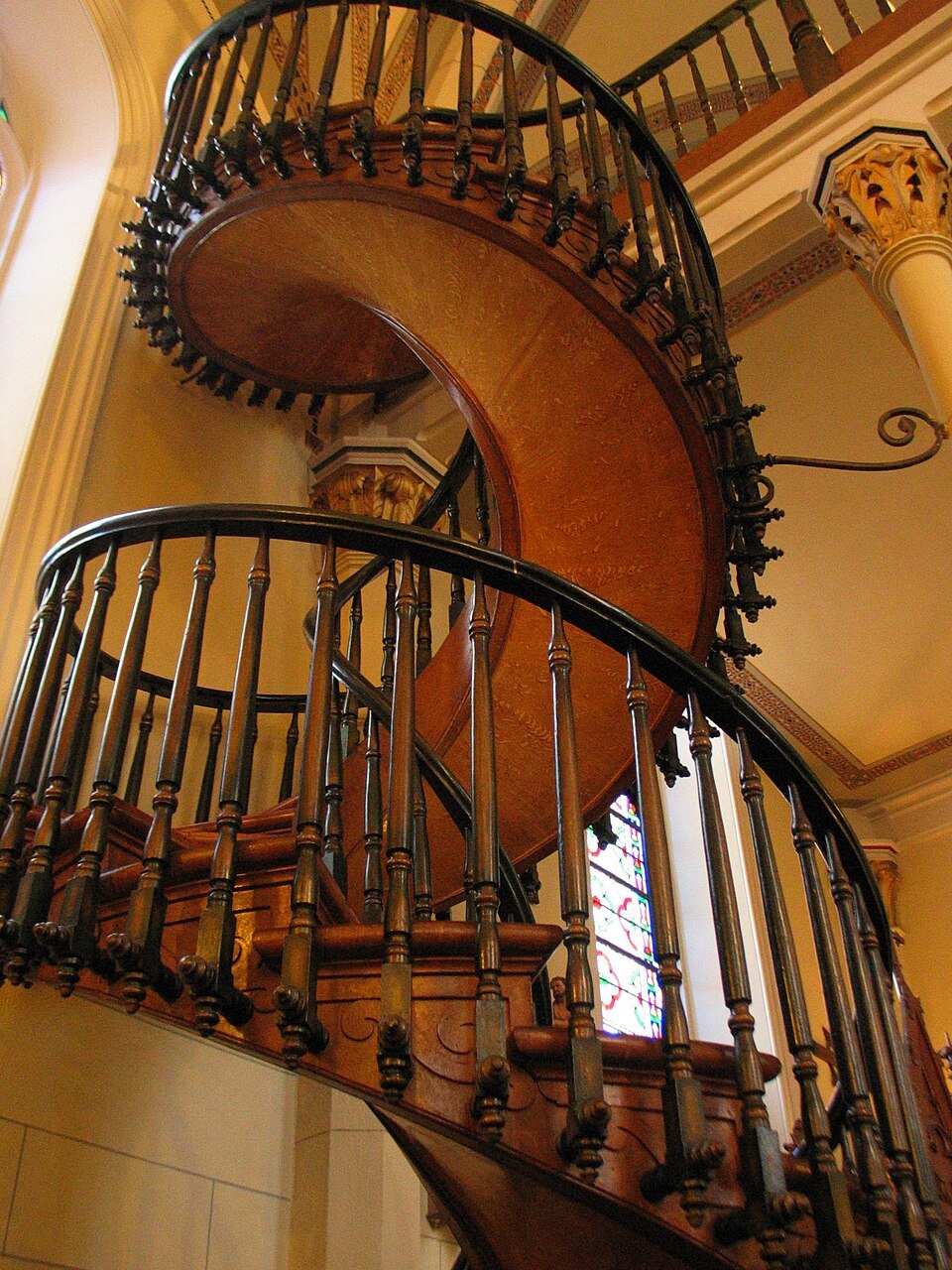
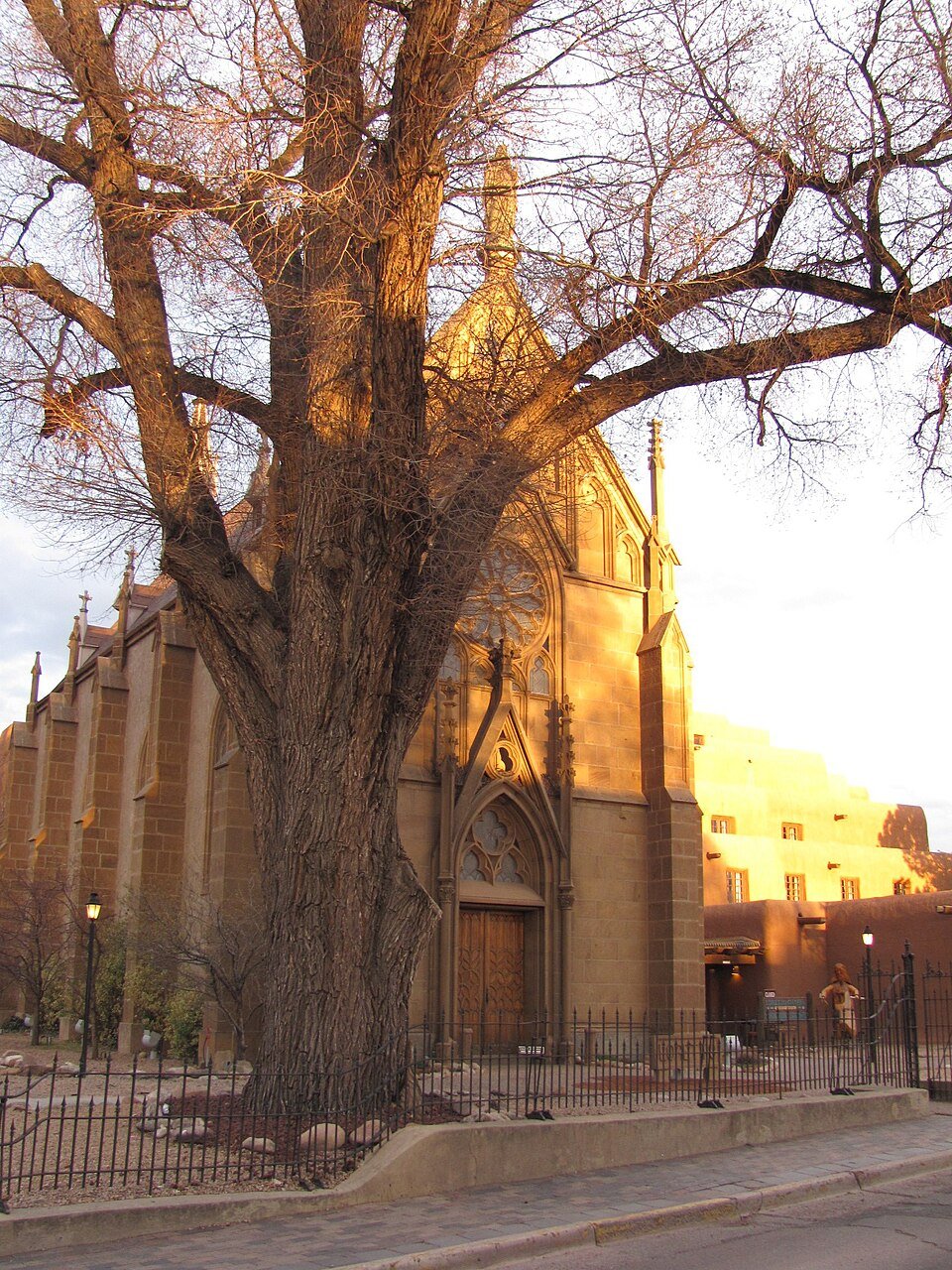
A Gothic Revival chapel in Santa Fe with a two-turn wooden spiral stair that has no central support and a story its owners called a miracle.
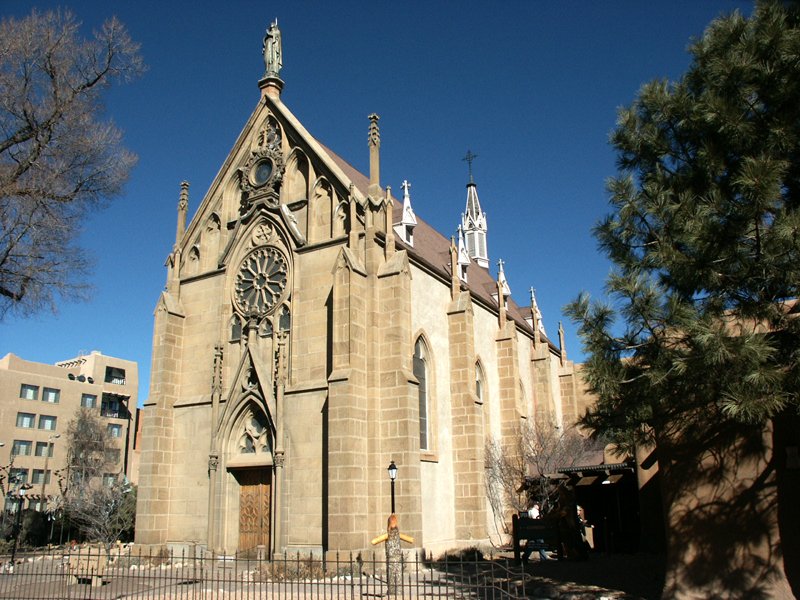
The Sisters of Loretto commissioned the chapel in 1873 for their girls' school, Loretto Academy. The archbishop had brought in two French architects, a father and son, Antoine and Projectus Mouly, for the St. Francis Cathedral project, and suggested the Sisters use their services on the side. Projectus became the main architect.
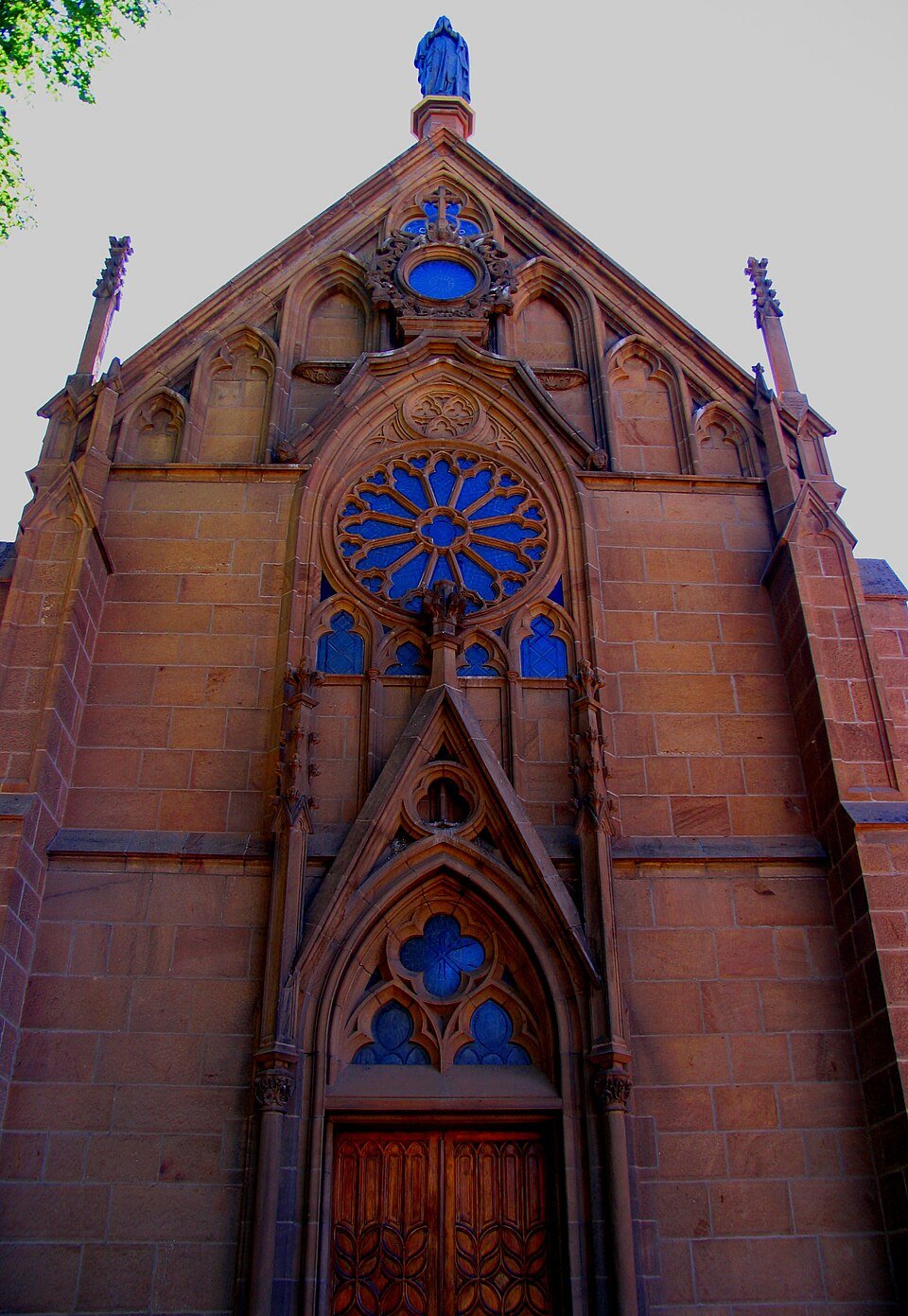
He based the Gothic Revival design, with spires, buttresses and stained glass imported from France along the Santa Fe Trail, on the Sainte-Chapelle in Paris. The chapel is built of local sandstone, took five years and was consecrated in 1878.
Students and nuns used it every day until the school closed in 1968. The chapel then became a privately owned museum and wedding venue, while the rest of the Academy campus was demolished.
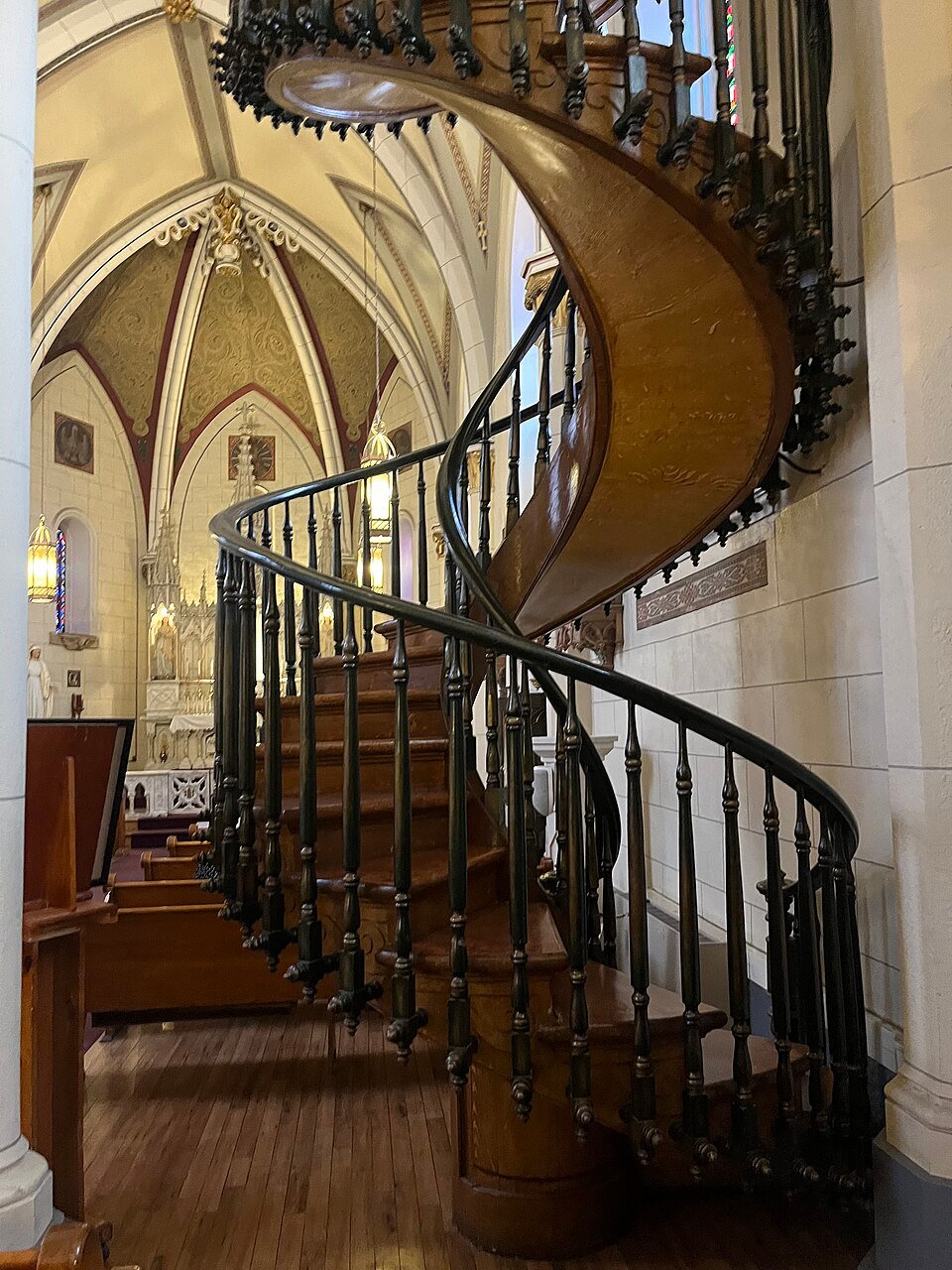
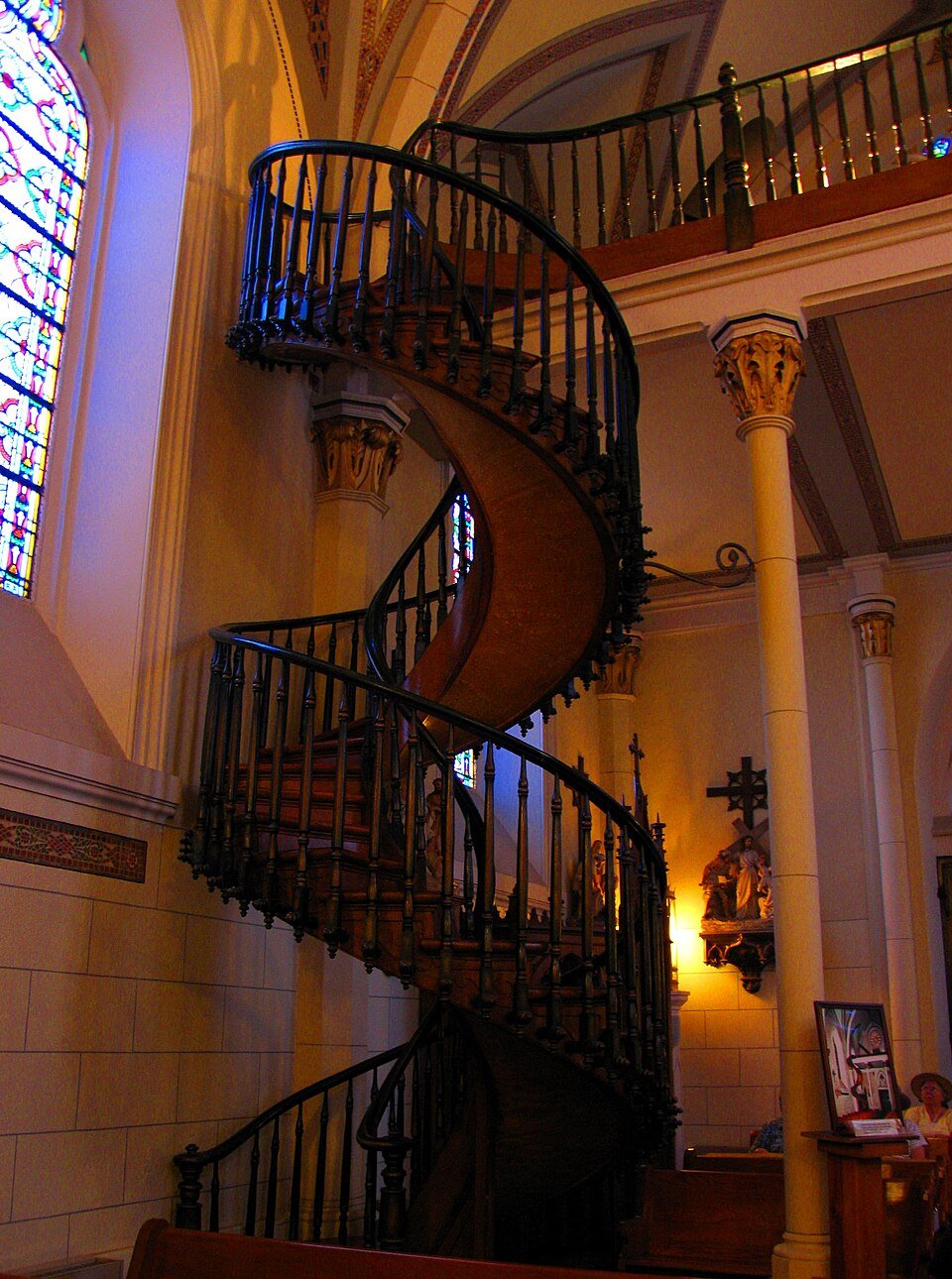
The staircase rises 20 feet to the choir loft in two full turns, with no newel or central pole. It is mostly wood, held together by wooden pegs instead of nails, and has 33 steps. The wood has been identified as a spruce probably not native to New Mexico. It dates from between 1877 and 1881, when the chapel was almost finished but had no way up to the choir loft, possibly because the architect died in 1879.
The Sisters' version says builders could not solve the problem in the cramped space, so the nuns prayed for nine days to Saint Joseph, patron saint of carpenters. On the last day a stranger offered to build the stair, worked alone with a few hand tools and left without pay or being identified. The Sisters believed the builder was Saint Joseph himself. Some tellings say the work took one night, others six to eight months.
An amateur historian later proposed a human candidate, François-Jean Rochas, a French-born rancher and occasional carpenter who died in 1894. A newspaper article on his death said he built the stair, and the Sisters' logbook records a payment to him for wood in 1881, though others dispute that it refers to the staircase. The original had no handrails, and some people descended on hands and knees. Railings and an iron support bracket were added in 1887.
4.9 ★ · 589 reviews · 3 h

5.0 ★ · 27 reviews · 2 h
Sold by Viator. Prices and review counts checked on 09/09/2026. These walking tours cover historic downtown Santa Fe; check each itinerary to see whether it stops at the chapel.
Not usually. The stairs have been mostly closed to the public since the chapel became a privately run museum in the 1960s. Check the chapel's official website for current rules.
Nobody knows for certain. The Sisters of Loretto credited Saint Joseph. A theory from the early 2000s points to a French-born rancher and occasional carpenter, François-Jean Rochas, but others dispute it.
It rises 20 feet in two full turns with no central pole, and the Sisters believed it came after nine days of prayer to Saint Joseph, when a stranger appeared, built it and left without payment.
No. Other spiral stairs without a center support exist, including one at the Old Washoe Club in Virginia City, Nevada, and one in the Gdańsk Town Hall in Poland.
Walking tours, day trips and experiences around this area, on GetYourGuide.