Hidden · Georges Island, Boston, United States
Fort Warren
A pentagonal granite fort on an island at the mouth of Boston Harbor that held Confederate prisoners and where a famous Civil War song was written.
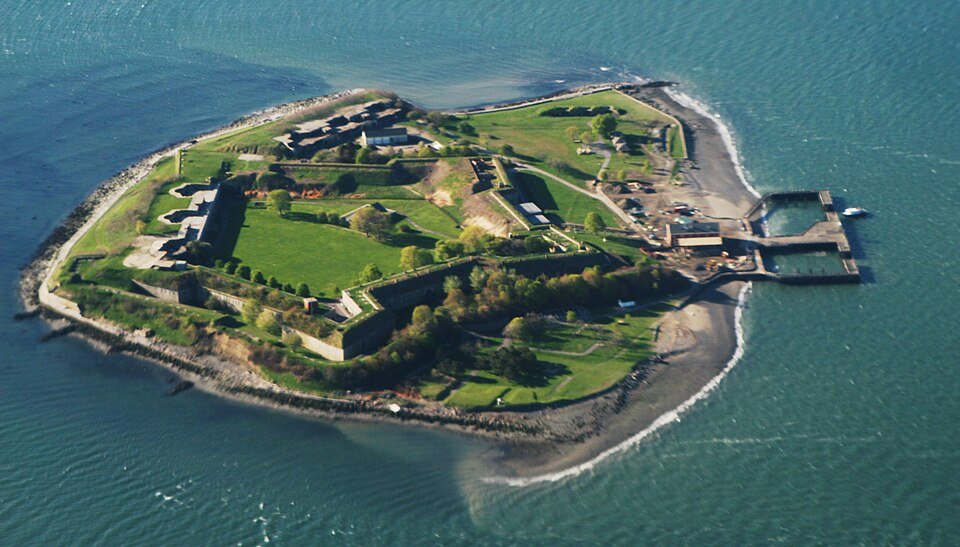
A pentagonal granite fort at the entrance to Boston Harbor.
Fort Warren sits on Georges Island, a 28-acre island at the entrance to Boston Harbor. It carries the name of Dr. Joseph Warren, the Revolutionary War figure who sent Paul Revere on his ride and was killed at Bunker Hill. The name moved here in 1833 from an earlier fort of 1808 that was renamed Fort Winthrop.
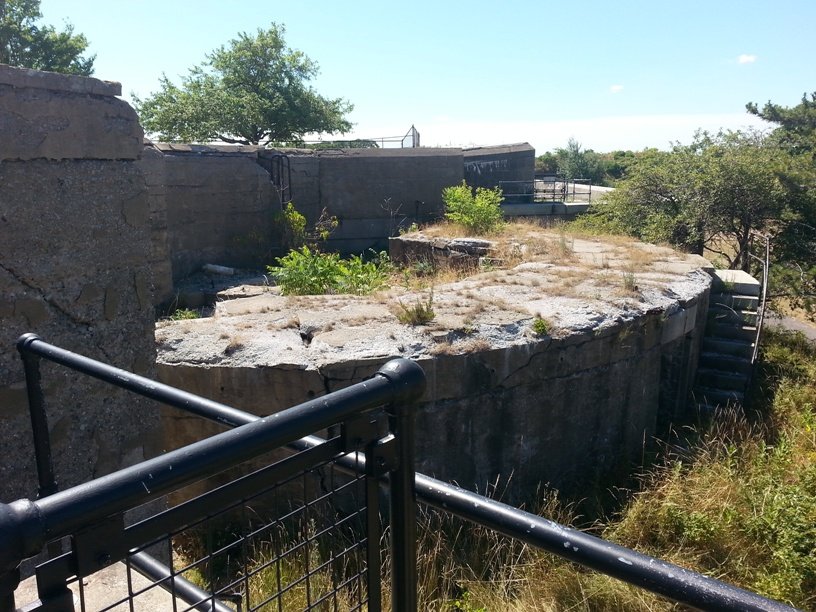
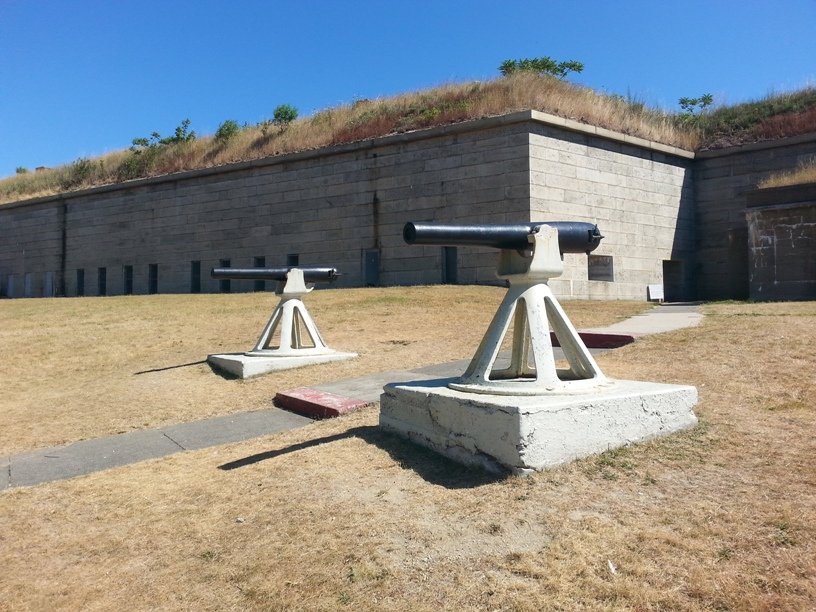
The fort is a pentagonal bastion fort of stone and granite, built from 1833 to 1861. The engineer in charge for most of the construction was Colonel Sylvanus Thayer, and it ranks as the fifth largest of the 42 forts in the nation’s third system of coastal defense. The plan was slightly irregular to suit the terrain. A half-moon battery guarding the north entrance is a rare feature in American forts, and the granite work is considered excellent. It was designed for more than 200 guns.
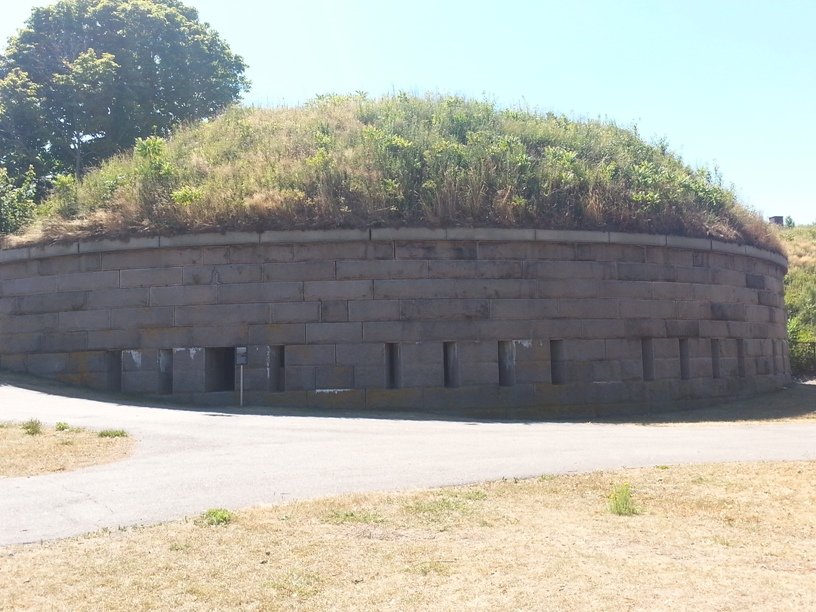
Later eras left their mark. In the 1870s a bastion was roofed over to create a rare, possibly one-of-a-kind battery of 15-inch Rodman guns inside brick arches. Between 1892 and 1903 the fort was rebuilt for modern rifled guns, with five new batteries, and it was one of only two American coastal forts to have a certain Navy-designed 4-inch gun.
A Civil War prison known for treating its prisoners humanely.
During the Civil War the fort held captured Confederate army and navy personnel, elected officials from Maryland and Northern political prisoners. Its commander from 1861 to 1864 was known for humane treatment. Of more than 1,000 Confederate prisoners held there, only 13 died, a much lower death rate than at any other prisoner-of-war camp of the war, Union or Confederate. Prisoners included Confederate diplomats James M. Mason and John Slidell, taken in the Trent affair, and Confederate Vice President Alexander H. Stephens. Six prisoners tried to escape on August 19, 1863; two were caught on the island, two were caught sailing toward Canada, and the other two were believed drowned.
The fort is also tied to a famous song. “John Brown’s Body” was written here and performed at a flag-raising on May 12, 1861. The men of the 12th Massachusetts Infantry, who mustered in here, carried it to the Army of the Potomac. Julia Ward Howe heard it in Washington and wrote new words, and her poem was later matched to the melody as “The Battle Hymn of the Republic.”
The fort kept serving through the Spanish–American War and World War I, when it headquartered the Coast Defenses of Boston. In World War II it controlled the harbor’s south mine field. Its remaining guns were scrapped between 1942 and 1944. The state obtained the island in 1958, and in 1961 the fort reopened to the public. It is now the centerpiece of the Boston Harbor Islands National Recreation Area, and it was named a National Historic Landmark in 1970. A Confederate memorial headstone for the 13 prisoners who died at the fort, installed in 1963, was removed by the state in 2017.
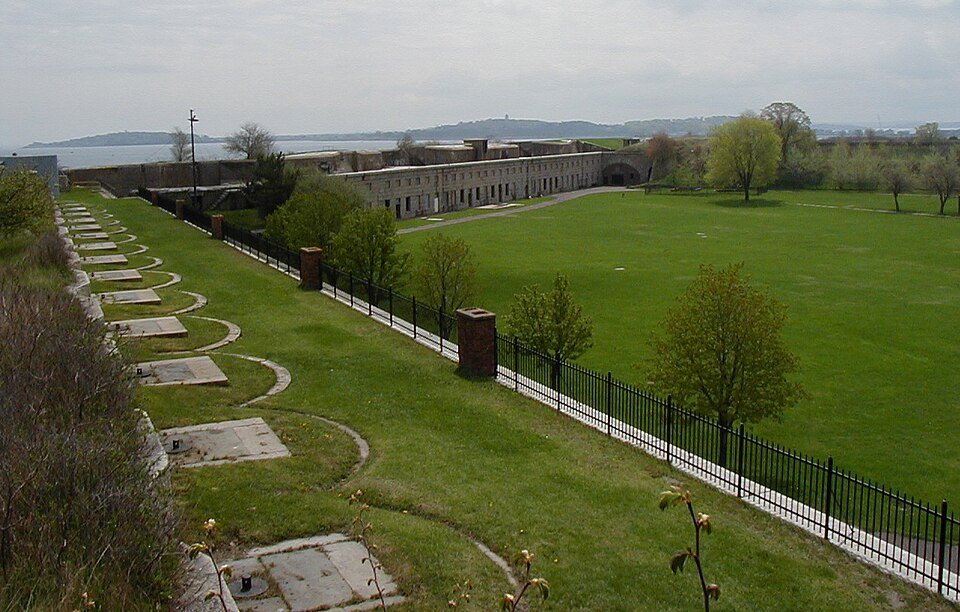
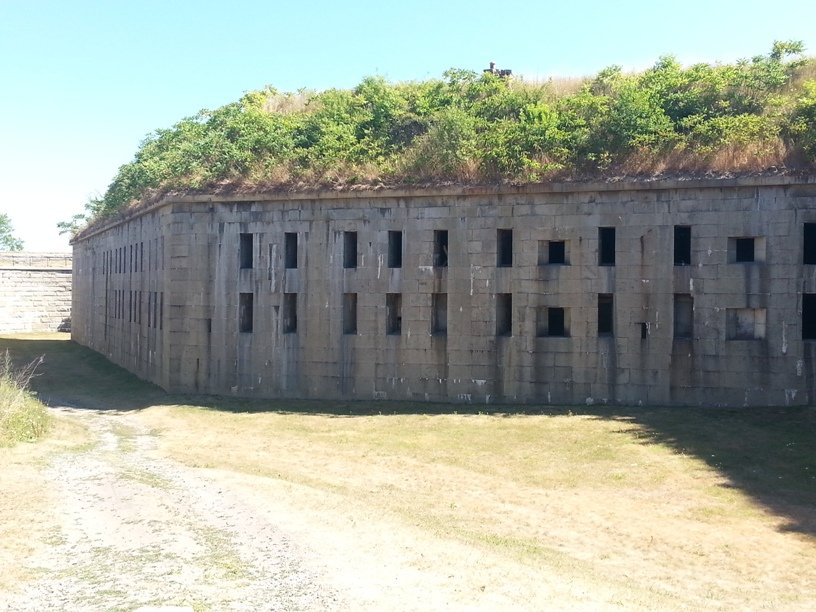
Granite walls and old batteries.
Practical notes.
Before you go.
How do you get to Fort Warren?
By ferry from downtown Boston, Hingham or Hull to Georges Island. Check the Boston Harbor Islands website for the current schedule.
Was Fort Warren a prison?
Yes. During the Civil War it held Confederate soldiers, naval personnel and officials, Maryland civil officials and Northern political prisoners. It was known for humane treatment.
Who was named Fort Warren after?
Dr. Joseph Warren, a Revolutionary War hero who sent Paul Revere on his ride and was killed at the Battle of Bunker Hill.
When can you visit?
The fort is typically open from early or mid May through Columbus Day weekend. Check the official site for current dates and ferry times.
Around Boston
Walking tours, day trips and experiences around this area, on GetYourGuide.