Hidden · Hōnaunau, the Big Island of Hawaii, United States
Puʻuhonua o Hōnaunau
A 420-acre national historical park on the west coast of Hawaiʻi Island, where people who broke a kapu could flee to find refuge.
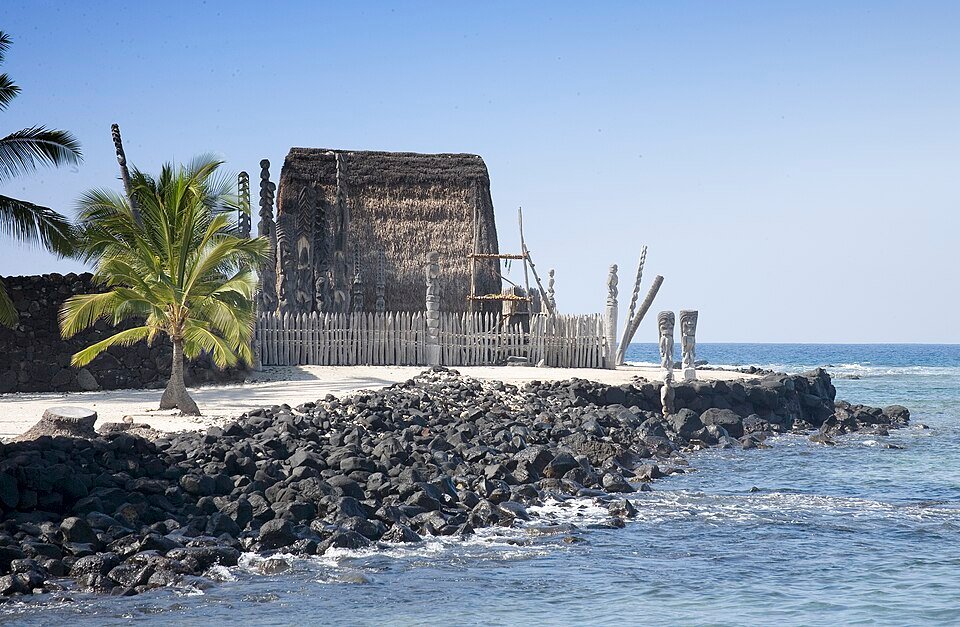
A place of refuge behind a great wall, beside the homes of chiefs.
Puʻuhonua o Hōnaunau National Historical Park lies on the west coast of the island of Hawaiʻi. It preserves the site where, until the early 19th century, Hawaiians who broke a kapu, one of the ancient laws, could escape certain death by reaching this puʻuhonua, or place of refuge. A priest absolved the offender, who was then free to leave. Defeated warriors and non-combatants could also find refuge here during battles.
The Great Wall encloses the puʻuhonua. The grounds just outside it were home to several generations of powerful chiefs. The 420-acre park includes the puʻuhonua and a complex of archaeological sites, among them temple platforms, royal fishponds, sledding tracks and coastal village sites.
It was established in 1955 as City of Refuge National Historical Park and renamed in 1978. In 2000 the name was corrected to use the Hawaiian spelling. It is also one of only four places in Hawaiʻi where the flag of Hawaiʻi can officially fly alone, without the American flag.
The temple where chiefs of Kona were laid to rest.
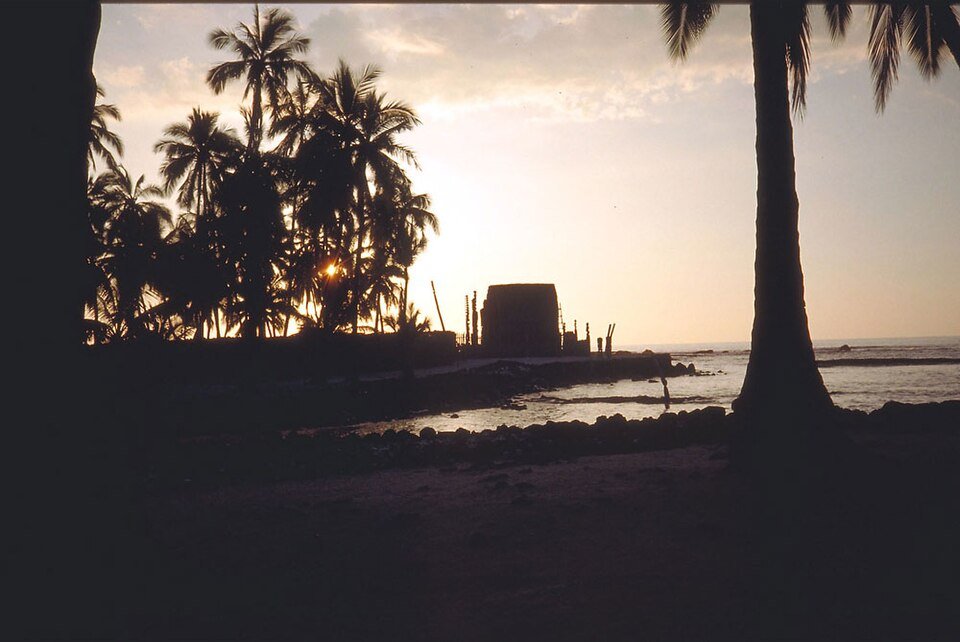
Hale o Keawe was a heiau built around 1650 as the burial place of a ruling aliʻi nui of the island of Hawaiʻi. His son, a Kona chief named Kanuha, built it, and the complex may have been established as early as 1475. The nobility of Kona continued to be buried there until the abolition of the kapu system. The last person buried was a son of Kamehameha I in 1818.
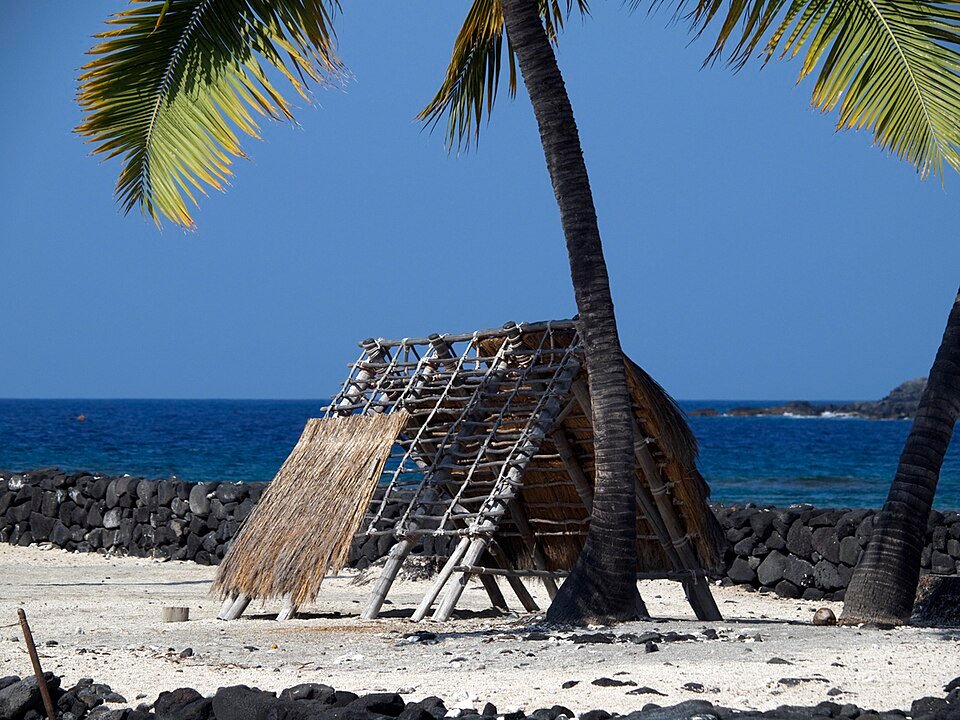
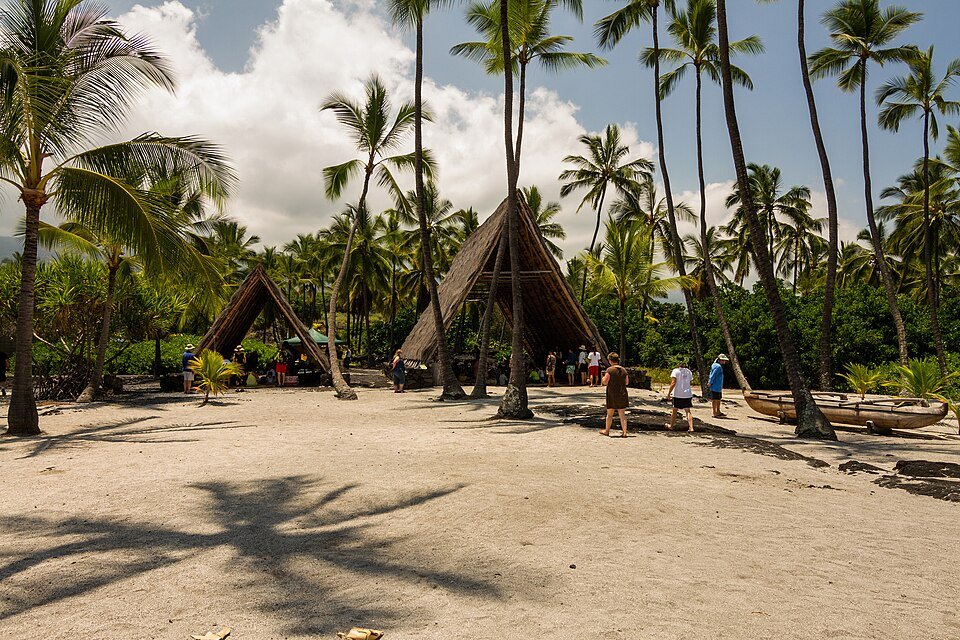
It was believed that the mana in the chiefs’ remains gave extra protection to the place of refuge, and the heiau survived for several years after other temples were destroyed. The remains were later moved, and in 1858 they were taken to the Royal Mausoleum in Honolulu. The Hale o Keawe in the park was reconstructed in the 1960s, and several thatched structures have been rebuilt as well.
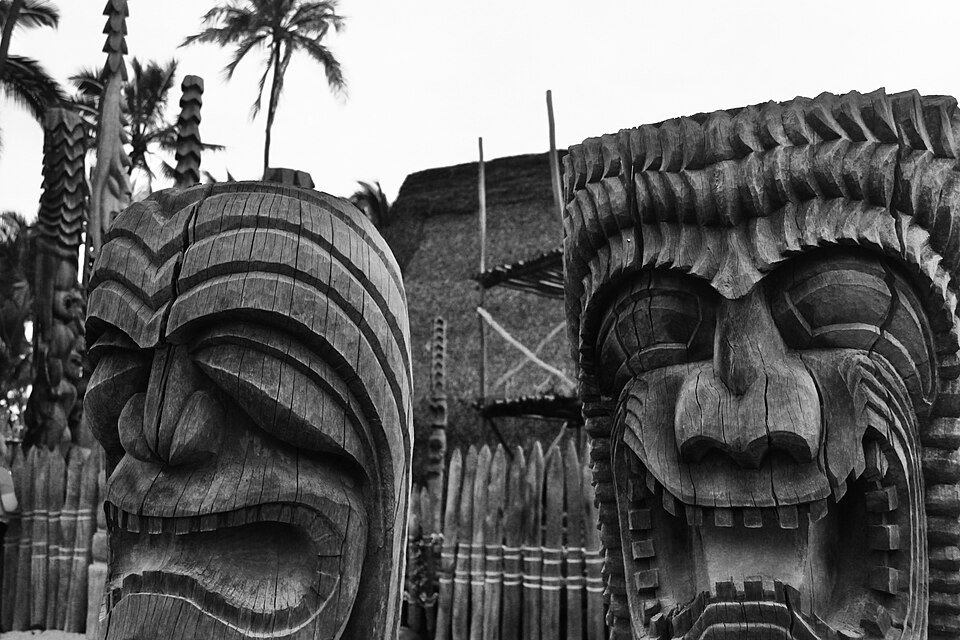
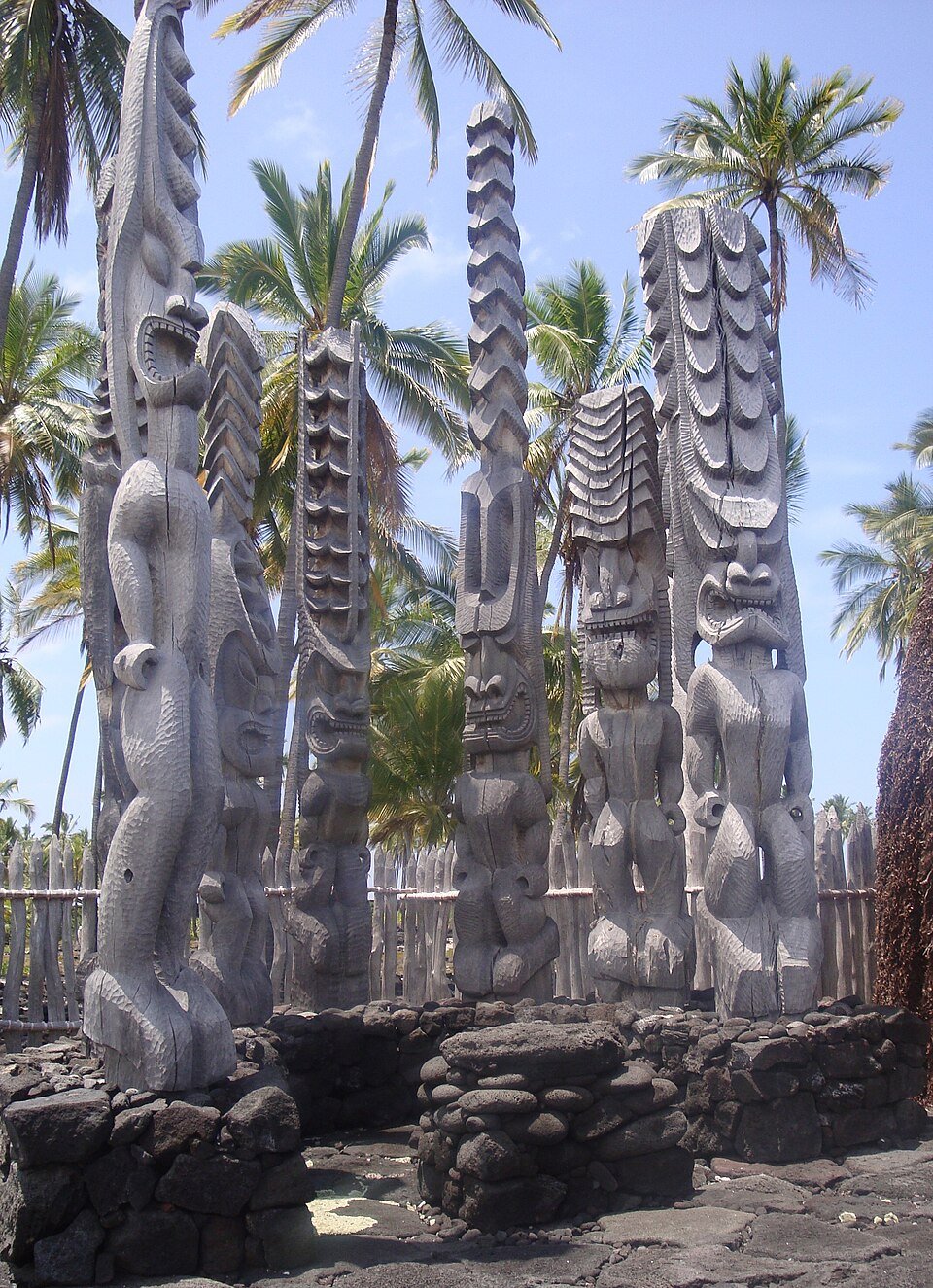
The place of refuge and its carved figures.
Practical notes.
Before you go.
What is a puʻuhonua?
A place of refuge. Until the early 19th century, Hawaiians who broke a kapu could flee to this puʻuhonua, be absolved by a priest and then leave free.
Who could find refuge here?
People who had broken a kapu, and also defeated warriors and non-combatants during times of battle.
What is Hale o Keawe?
A heiau, or temple, built around 1650 as the burial place of a ruling aliʻi nui of Hawaiʻi Island. The one in the park was reconstructed in the 1960s.
Why was the park renamed?
It opened in 1955 as City of Refuge National Historical Park, was renamed in 1978, and in 2000 its name was corrected to use the Hawaiian spelling.
Around the Big Island of Hawaii
Walking tours, day trips and experiences around this area, on GetYourGuide.