Hidden · Rankin, Pittsburgh, United States
Carrie Furnaces
Two blast furnaces and a hot metal bridge on the Monongahela River, left standing from the Homestead Steel Works and now open on managed tours.
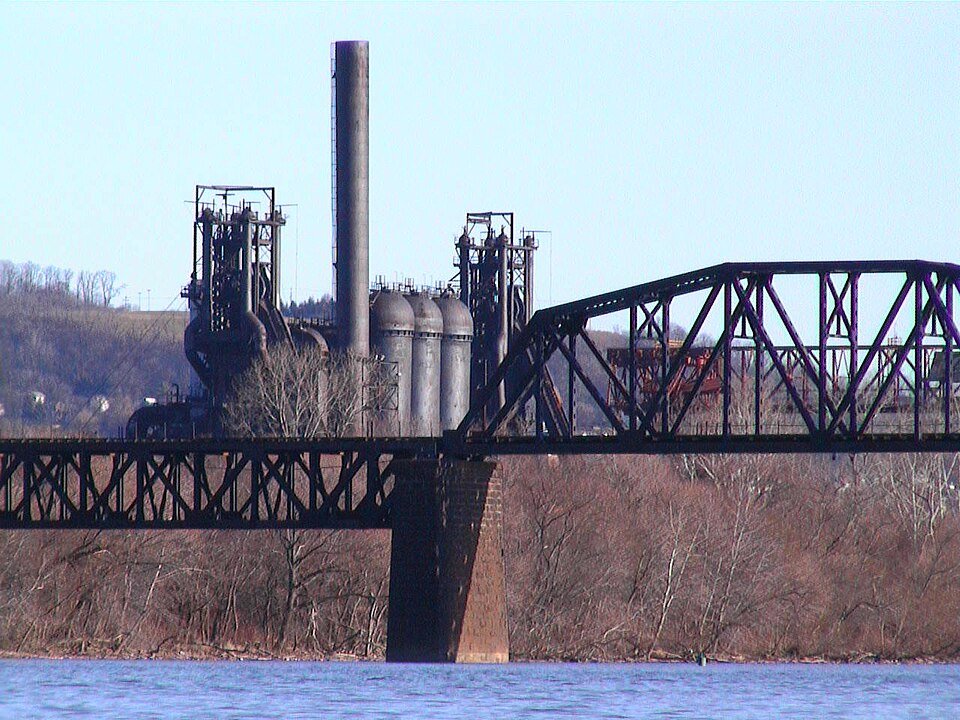
Two blast furnaces and a hot metal bridge on the Monongahela.
Carrie Furnaces is a retired blast furnace site on the Monongahela River, in the Pittsburgh-area towns of Rankin and Swissvale. It was one of the structures that made up the Homestead Steel Works. The furnaces were built in the 1880s and the site operated until 1982, producing 1,000 to 1,250 tons of iron a day at its peak.
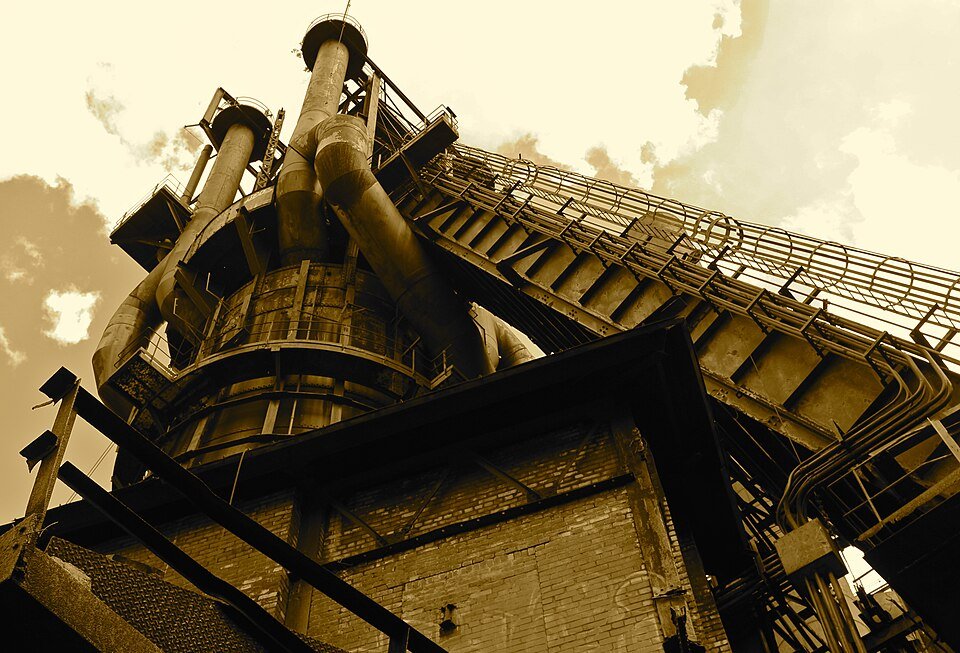
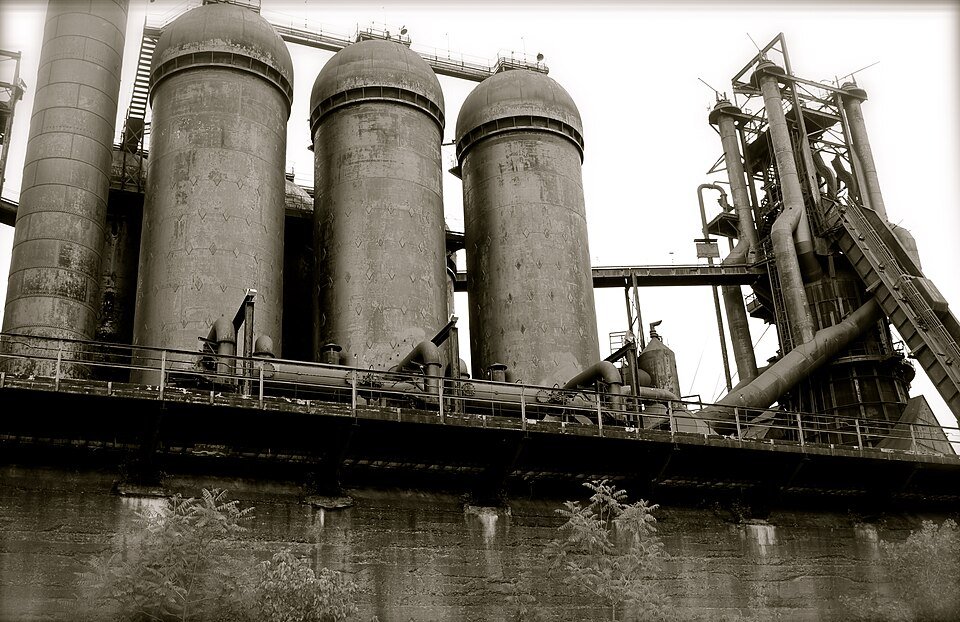
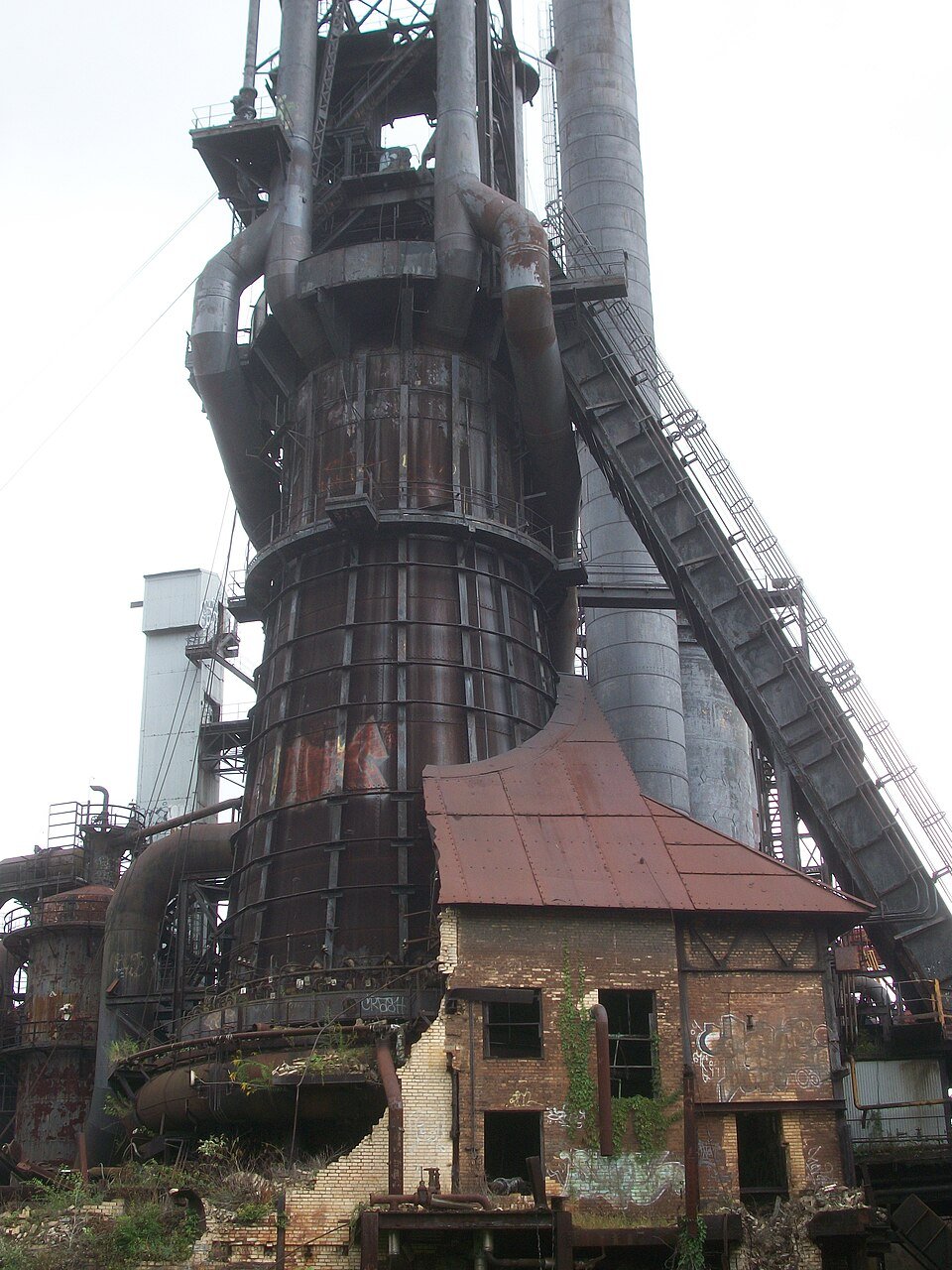
Only furnaces 6 and 7, which ran from 1907 to 1978, and the site's hot metal bridge remain. This bridge is not the Hot Metal Bridge farther downstream. The two furnaces are among the only blast furnaces from before World War II in the 20th century to survive, and they became a National Historic Landmark in 2006.
From Carnegie's mills to a heritage site.
Andrew Carnegie bought the site in 1898, and it was incorporated into U.S. Steel in 1901. The site's timeline also includes the 1892 Homestead Strike, since Carrie was one of the structures that made up the Homestead Steel Works.
Park Corporation bought the site from U.S. Steel in 1988, and Allegheny County bought it in 2005. Cleanup work included removing underground fuel tanks and asbestos from the buildings. Today the nonprofit Rivers of Steel Heritage Corporation manages the site and runs tours and other programs from May through October.
The site is not readily accessible, because railroad tracks enclose it. Redevelopment plans seek to preserve the remaining structures while using the land for mixed development, including a museum about the history of steel centered on the two furnaces and a conversion of the hot metal bridge into a road bridge. That bridge also links the site to The Waterfront, a retail development across the river.
The furnaces up close.
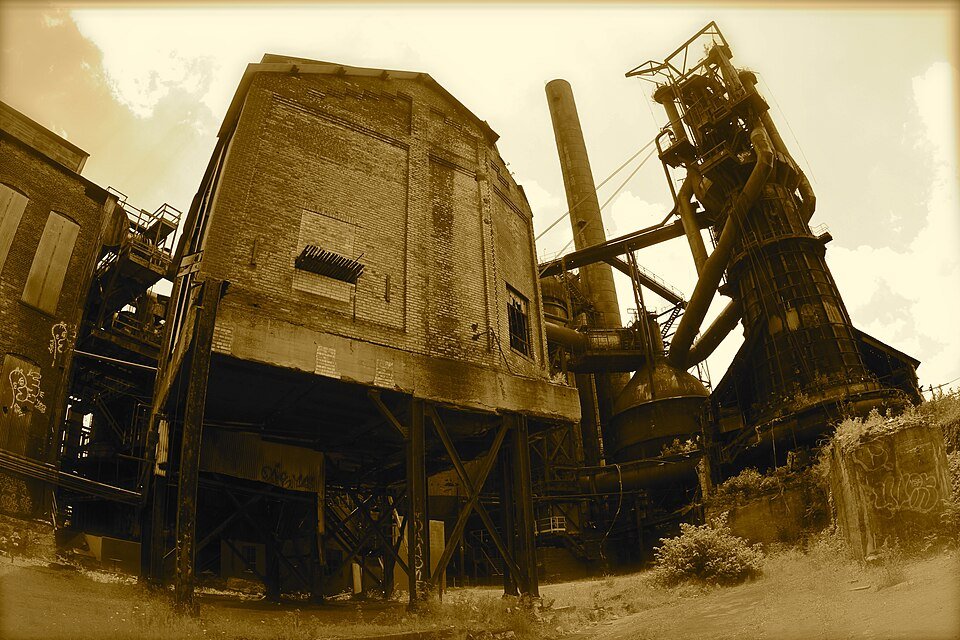
Practical notes.
Before you go.
Can you visit Carrie Furnaces?
Yes, on tours and other programs run by the nonprofit Rivers of Steel Heritage Corporation, from May through October. Check the organization's website for dates before you go.
What is left of Carrie Furnaces?
Furnaces 6 and 7, which operated from 1907 to 1978, and the hot metal bridge. Most of the rest of the site is gone.
Why is Carrie Furnaces a National Historic Landmark?
The two furnaces are among the only blast furnaces from before World War II in the 20th century to survive. They were designated a National Historic Landmark in 2006.
How much iron did Carrie Furnaces produce?
At its peak, the site produced between 1,000 and 1,250 tons of iron a day.
Around Pittsburgh
Walking tours, day trips and experiences around this area, on GetYourGuide.