Hidden · Black Hills, South Dakota, United States
Wind Cave
A cave in the Black Hills whose passages draw air in and push it out, sacred to the Lakota, with prairie and bison above it.
A cave that breathes, and prairie full of bison above it.
Wind Cave National Park lies about 10 miles north of the town of Hot Springs in western South Dakota. President Theodore Roosevelt established it in 1903 as the sixth national park in the country, and it was the first cave in the world to be made a national park. Explored passages total 168 miles as of 2025, making it one of the longest caves on Earth, and it is also considered the densest cave system known.
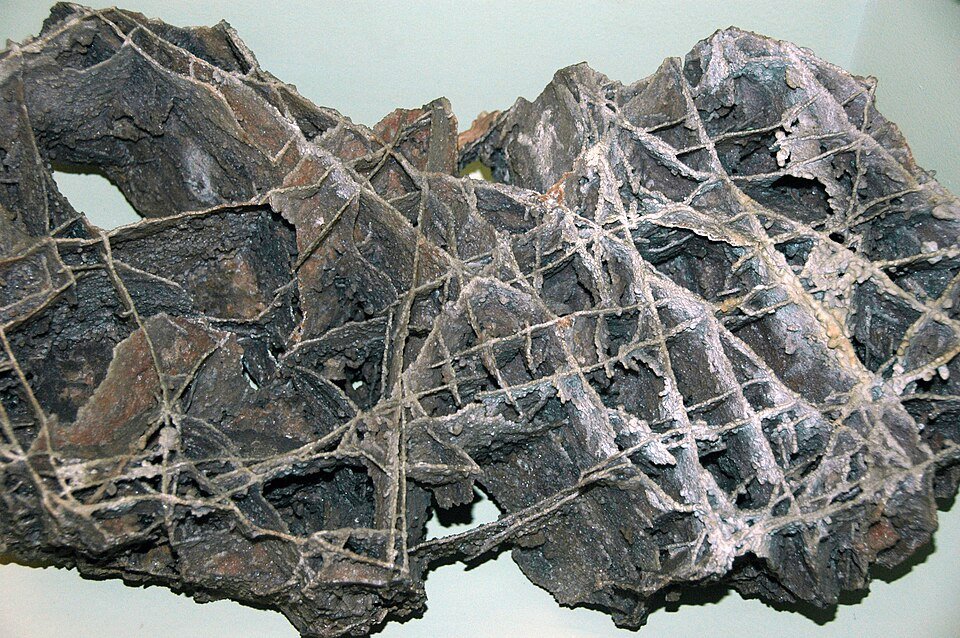
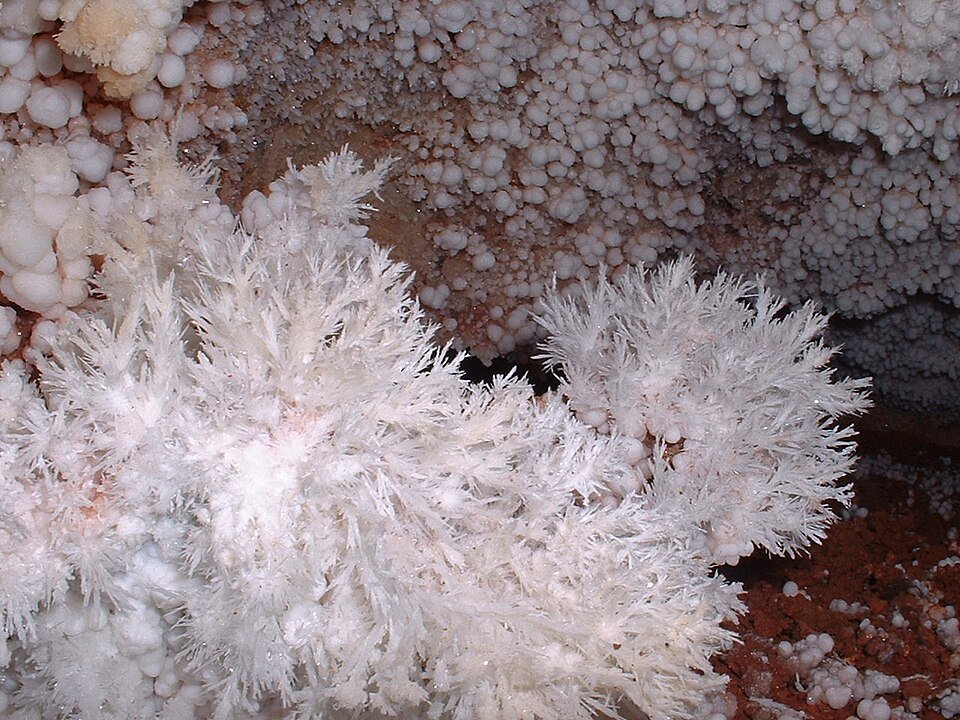
The name comes from the air. The cave has only a few small openings, so when outside pressure changes, air rushes in or out to balance it. The cave also holds boxwork, thin calcite fins that form a honeycomb pattern. About 95 percent of the world’s discovered boxwork is here, along with frostwork and cave popcorn.
Above ground, the park protects the largest remaining natural mixed grass prairie in the United States. Elk, pronghorn, prairie dogs and a bison herd live here. The bison are one of only four free-roaming, genetically pure herds on public land in North America.
A sacred place before it was a tourist cave.
In Lakota tradition, this is the place where the first people emerged from the world below. The Lakota name is Washun Niya, and the story of Tokahe, the first human to come out of the cave, is central to their origin account. The surrounding Black Hills were also a rich source of game and shelter for the Lakota. The Lakota were later dispossessed of these lands, after gold was reported in the hills and miners entered in violation of the treaty.
Settlers recorded finding the cave in 1881, when two brothers heard wind roaring out of a small hole in the ground. A mining company hired a manager in 1889 to oversee its claim. No valuable minerals turned up, and his family began developing the cave for tourism. By February 1892 it was open to visitors, who explored by candlelight on demanding tours that sometimes meant crawling.
The visitor center has exhibits on the cave’s geology and history, the park’s wildlife and the work of the Civilian Conservation Corps.
Cave formations and prairie wildlife.


Practical notes.
Before you go.
Why is it called Wind Cave?
Air flows into or out of the cave depending on outside pressure, and the cave has few small openings, so the wind is noticeable. The Lakota knew it as a hole that blew air.
What is boxwork?
A pattern of thin calcite fins that form an intersecting honeycomb. About 95 percent of the world’s discovered boxwork is in Wind Cave.
Why is Wind Cave sacred?
In Lakota tradition it is the site where the first people emerged from the underworld. It is treated with respect and has long been central to Lakota culture.
Can you see wildlife at the park?
Yes. The prairie above the cave is home to bison, elk, pronghorn and prairie dogs. Stay at a safe distance from the animals.
Around South Dakota
Walking tours, day trips and experiences around this area, on GetYourGuide.