Hidden · Hovenweep, Utah, United States
Hovenweep National Monument
Stone towers and pueblos built beside springs at the heads of canyons, left in the late 13th century and now an International Dark Sky Park.
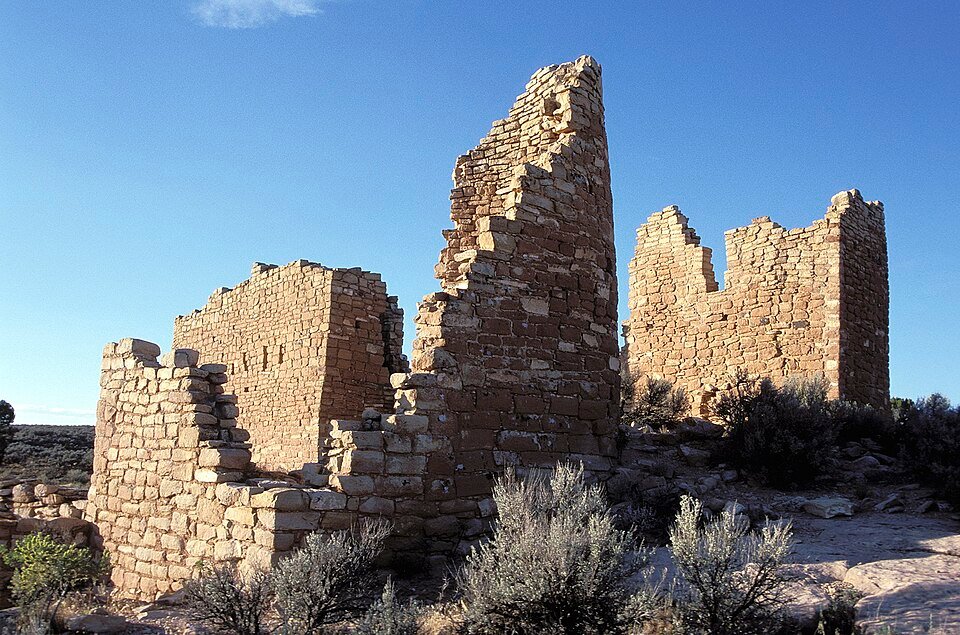
Six groups of stone villages on the Cajon Mesa.
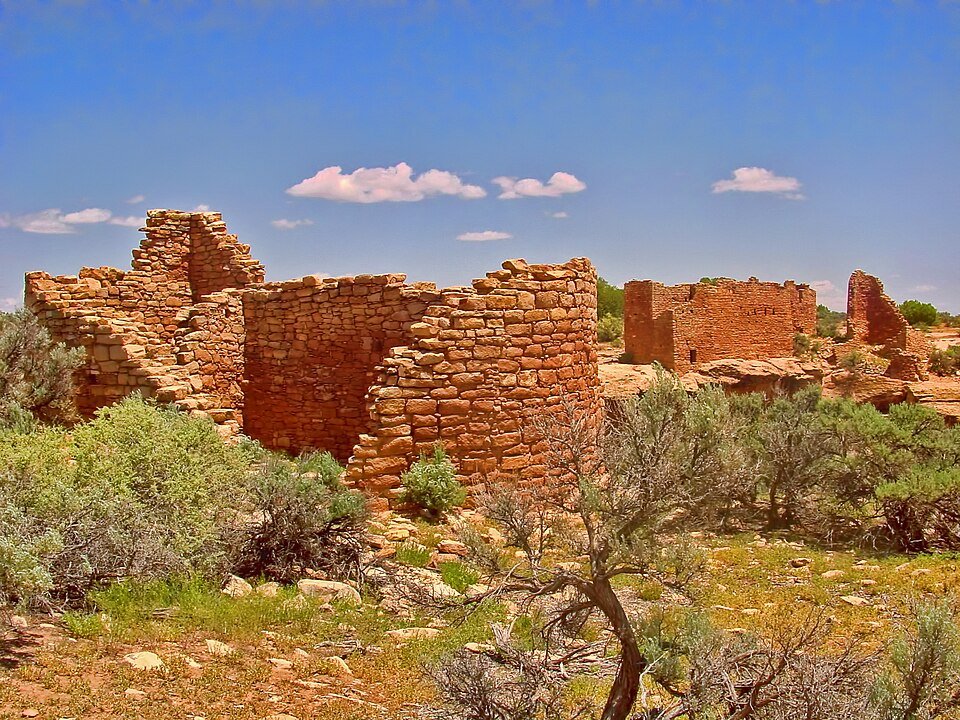
Hovenweep National Monument lies in southeastern Utah and southwestern Colorado, between Cortez, Colorado and Blanding, Utah, on the Cajon Mesa of the Great Sage Plain. It protects six groups of Ancestral Puebloan villages: Cajon, Cutthroat Castle, Goodman Point, Holly, the combined Hackberry and Horseshoe group, and Square Tower. Square Tower, in Little Ruin Canyon, is the largest collection of buildings at the monument.
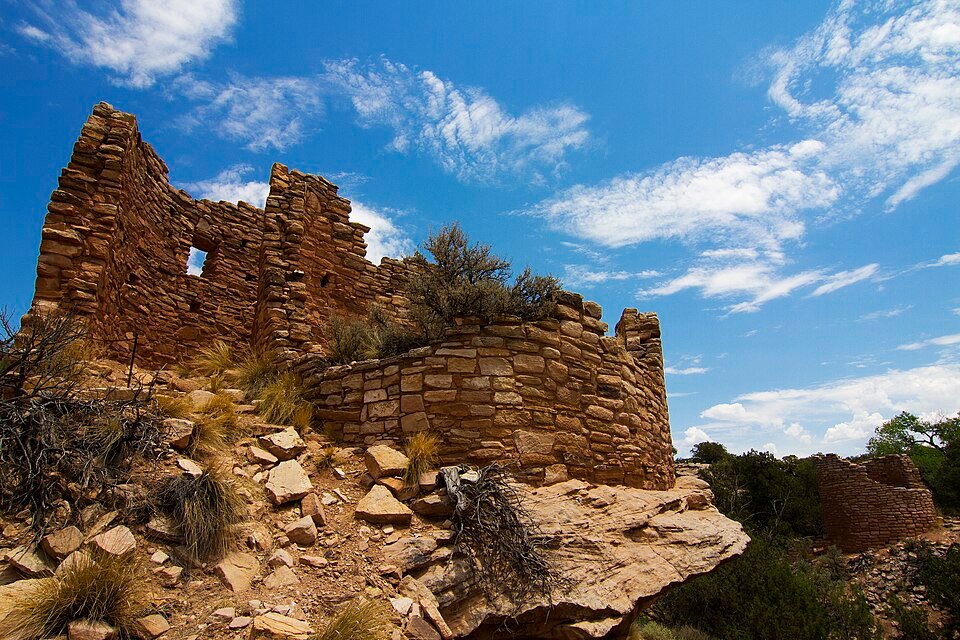
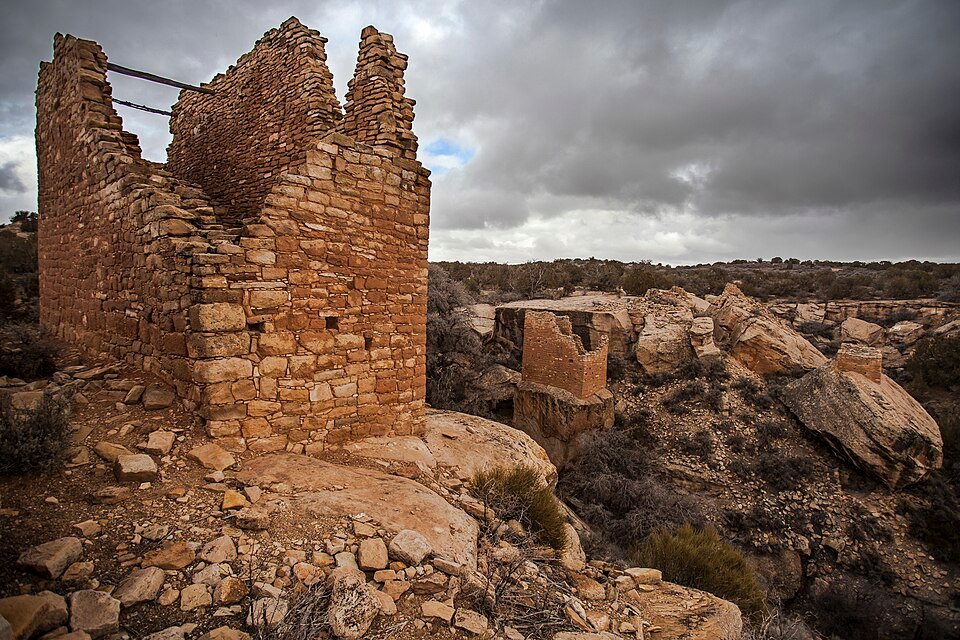
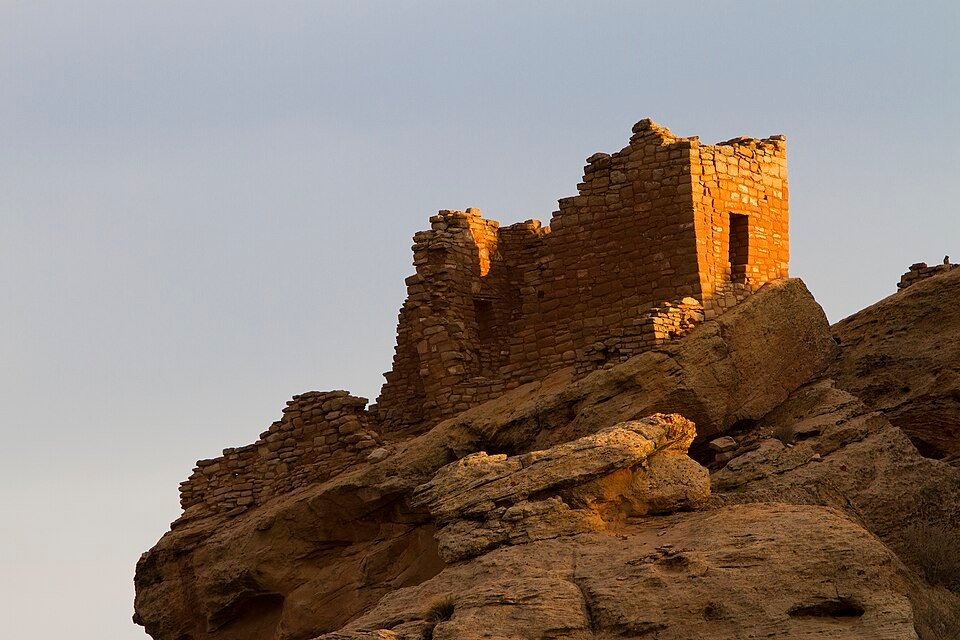
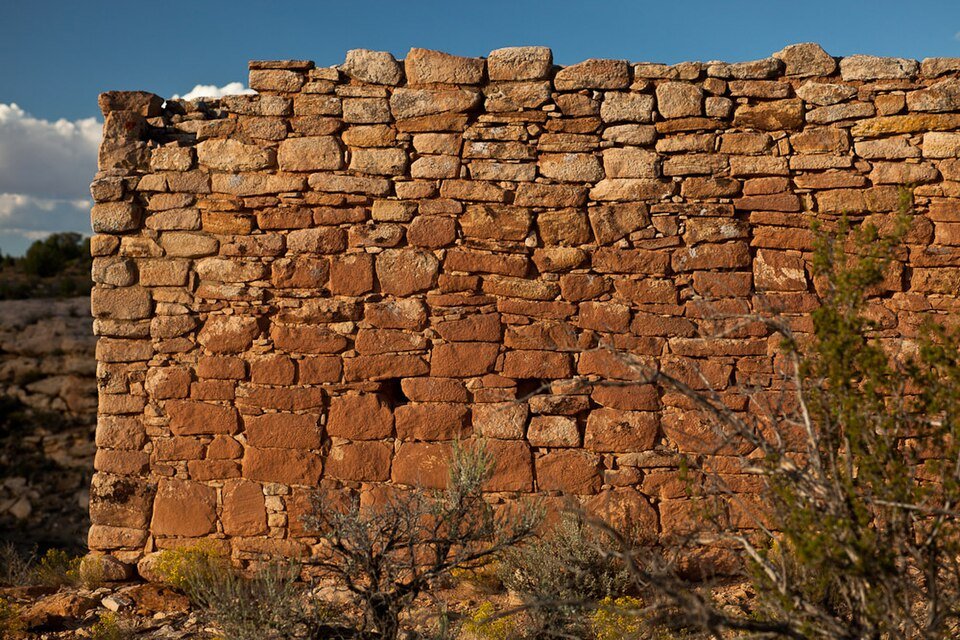
The builders put their pueblos beside springs and seeps at the heads of canyons. Towers came in D, square, oval and circular shapes and served as work areas, kivas, living rooms and storage. They have few windows and limited access, and many have narrow slots or peepholes in the walls. The masons did not level their foundations but fitted the walls to the uneven rock slabs. Nineteenth-century explorers called these stone buildings castles, and names such as Hovenweep Castle, Cutthroat Castle and Stronghold House come from that.
Built around water, left in the late 13th century.
People have used this area since hunter-gatherers camped here, some as early as 8,000 B.C. Later cultures settled and stayed until the 14th century. Most of the pueblo building at Hovenweep took place between 1230 and 1275, when about 2,500 people lived here, and its architecture and pottery resembled those of Mesa Verde. Dams and reservoirs managed scarce water, and crops such as maize, beans and squash grew in terraced fields.
The people left their pueblos in the late 13th century, possibly because of a 23-year regional drought, and the whole Four Corners area may have been nearly empty by 1350. Scientists believe they moved south to live with the Hopi of Arizona and the Pueblo peoples of the Rio Grande in New Mexico. The name Hovenweep means "deserted valley" in the Ute language. President Warren G. Harding proclaimed it a National Monument on March 2, 1923, and in July 2014 it was designated an International Dark Sky Park.
Stone towers and pueblos.
Practical notes.
Before you go.
What does Hovenweep mean?
"Deserted valley" in the Ute language. The name was adopted in 1878 by the photographer William Henry Jackson and William Henry Holmes.
Who built the towers and pueblos?
Ancestral Puebloan people, generally considered part of the Mesa Verde branch of the northern San Juan culture. Most of the building took place between 1230 and 1275.
Why did people leave Hovenweep?
They left in the late 13th century, possibly because of a 23-year regional drought, with a growing population adding to the strain. Scientists believe they moved south to live with the Hopi and the Pueblo peoples of the Rio Grande.
Which part is the largest?
The Square Tower group, in Little Ruin Canyon. It is the largest collection of pueblo buildings at Hovenweep, with up to 500 residents.
Around Utah
Walking tours, day trips and experiences around this area, on GetYourGuide.