Hidden · Dillon, Montana, United States
Bannack
A gold rush town on Grasshopper Creek that was briefly the capital of Montana Territory, then emptied out until the last residents left in the 1970s.

A mining camp that grew to about 5,000 people.
Bannack sits on Grasshopper Creek in Beaverhead County, Montana, upstream from the point where the creek meets the Beaverhead River south of Dillon. Gold was found here in 1862 and the town took its name from the local Bannock people. At its peak, counting the smaller camps in the same gulch, it held around 5,000 people.
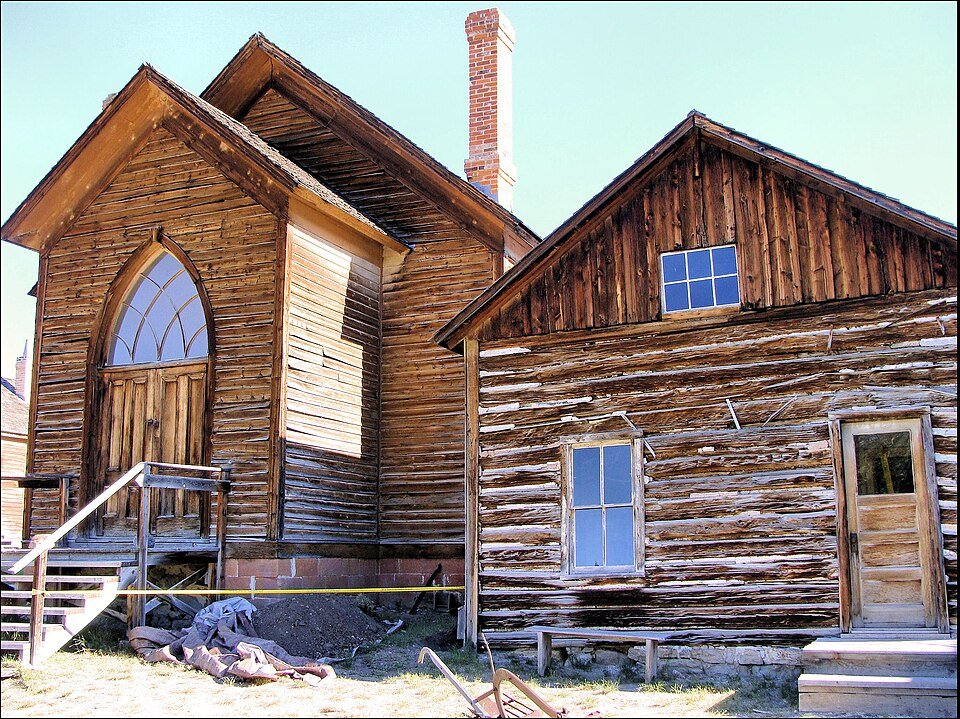
It was very remote, tied to the outside world only by the Montana Trail, yet it had three hotels, three bakeries, two stables, a brewery, a billiard hall and four saloons. Every business was built of logs, and some were given decorative false fronts.
Capital for a moment, then a slow fade.
Bannack served briefly as capital of Montana Territory in 1864, until the capital moved to Virginia City. It is also tied to the vigilante years: the local sheriff was accused by some of leading a gang of road agents, and he and two deputies were hanged in January 1864 without a trial. Historians still argue about how much of the gang story is documented.
Miners drifted to richer ground, and by 1880 only about 250 residents were left. The Utah and Northern Railway ended at a new town instead of Bannack, and the decline continued. The last residents left in the 1970s. The site became a state park in 1954 and a National Historic Landmark in 1961. About sixty log, brick and frame structures still stand, many well preserved, and most can be explored.
The town as it stands.


Practical notes.
Before you go.
Is Bannack a real ghost town?
Yes. It was a working gold mining town from 1862, and its last residents left in the 1970s. Today it is a state park with about sixty historic structures standing.
Can you go inside the buildings?
Most of the standing structures can be explored, but access rules change. Check the official Bannack State Park page and follow posted signs.
Why was Bannack important to Montana?
It was the site of a major gold discovery in 1862 and served briefly as capital of Montana Territory in 1864, before the capital moved to Virginia City.
What is Bannack Days?
It is an annual living-history weekend in July in which the park re-creates daily life of the gold rush, including a period breakfast in the old Hotel Meade. Confirm dates with the park.
Around Montana
Walking tours, day trips and experiences around this area, on GetYourGuide.