Hidden · New Harmony, Indiana, United States
New Harmony
A small town on the Wabash River that was founded twice: first by a communal religious group, then by a Welsh reformer who wanted a new moral world.

A town built in the wilderness, then handed to a new idea.
New Harmony sits on the Wabash River in Posey County, in the far southwest of Indiana, and is part of the Evansville area. The Harmony Society, a pietist communal group led by George Rapp, founded it in 1814. These Lutherans had separated from their church in Württemberg and, after leaving Harmony, Pennsylvania, settled in the Indiana Territory looking for fertile soil and a navigable river.
Within two years the Harmonists held about 20,000 acres, had built 160 homes and other buildings and had cleared 2,000 acres. By 1819 the town had a steam-powered wool mill, a brewery, a distillery, vineyards and a winery. In 1824 the Society decided to sell and return to Pennsylvania, where it founded a new community at Economy, today's Ambridge.
The second founding: a model community and a boatload of scientists.
In 1825 Robert Owen, a Welsh industrialist and social reformer, bought the town to create a community of equality built on education, science and shared property. The experiment drew hundreds of residents but struggled with overcrowding, a shortage of skilled workers and unequal credits, and it lasted only a few years.
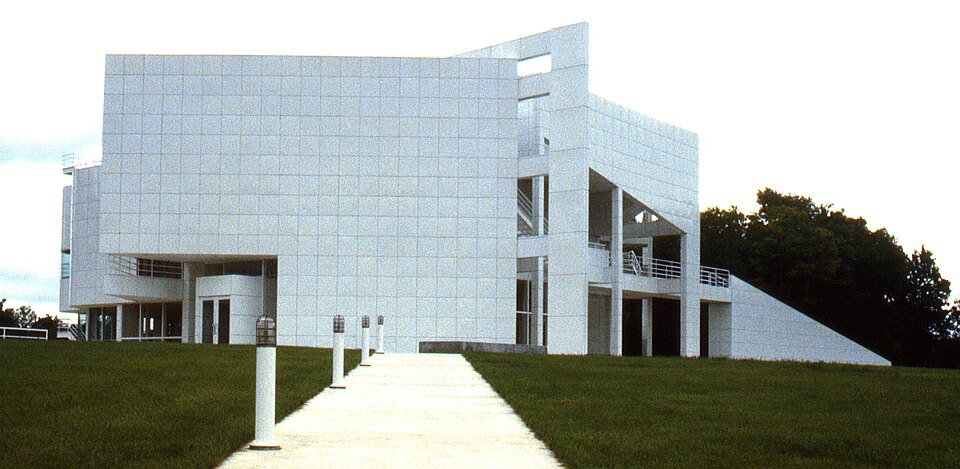
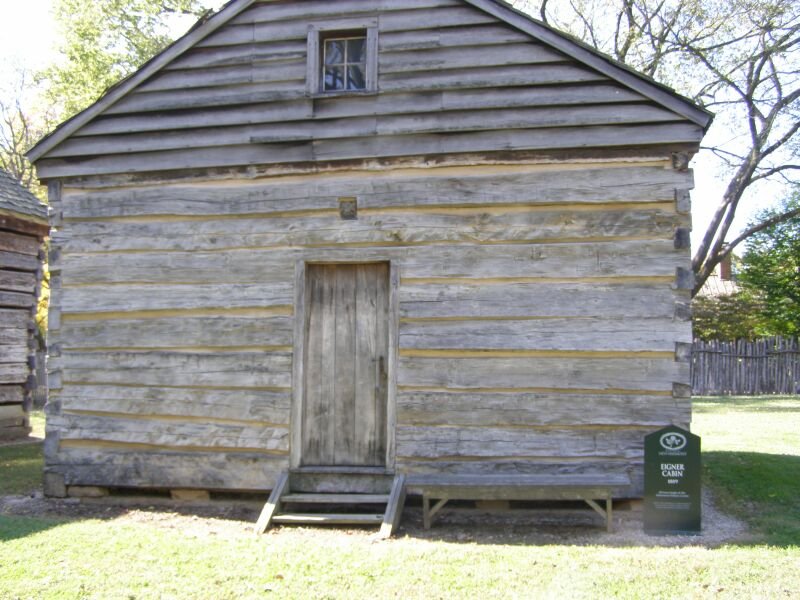
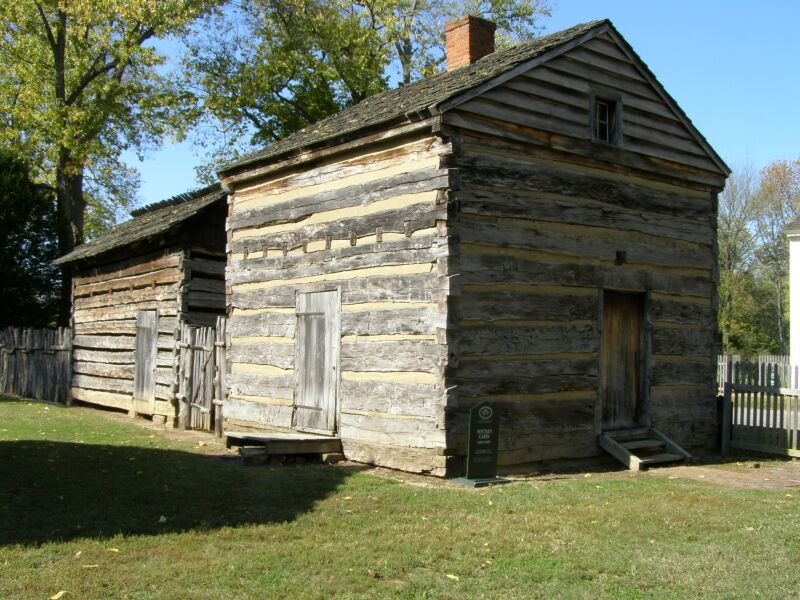
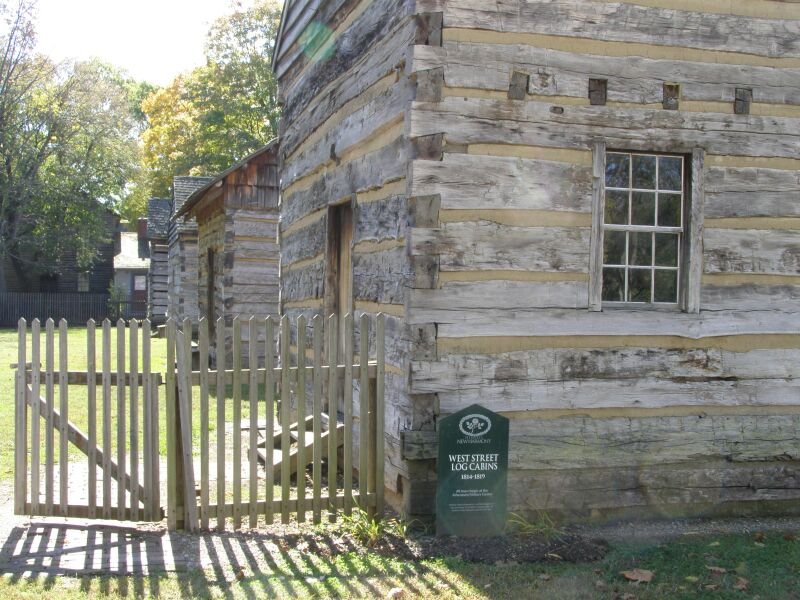
Its legacy was larger than its life. In January 1826 the keelboat Philanthropist, nicknamed the Boatload of Knowledge, brought educators and scientists to town. New Harmony went on to establish the state's first public library, a civic drama club and a public school system open to men and women, and it served as the second headquarters of the U.S. Geological Survey. Many Harmonist buildings have been restored and, with others tied to the Owen community, form the New Harmony Historic District. Later additions include the Roofless Church and the Atheneum.
The town and its historic buildings.

Practical notes.
Before you go.
Who founded New Harmony?
The Harmony Society, a religious communal group led by George Rapp, founded it in 1814. It was the second of three towns the group built.
What was the Owen experiment?
In 1825 Robert Owen bought the town to create a community of equality based on education, science and shared property. It lasted only a few years, but it left an important intellectual legacy.
What did New Harmony leave behind?
The state's first public library, a civic drama club and a public school system open to men and women. It was also the second headquarters of the U.S. Geological Survey.
What can you see in New Harmony today?
Restored Harmonist buildings and others linked to the Owen community in the New Harmony Historic District, plus the Roofless Church and the Atheneum. Check the official sites for visiting details.
Around Indiana
Walking tours, day trips and experiences around this area, on GetYourGuide.