Hidden · Hatcher Pass, Alaska, United States
Independence Mine State Historical Park
A gold mining camp left almost as it was in 1950, high in the Talkeetna Mountains, now worn down by the weather.
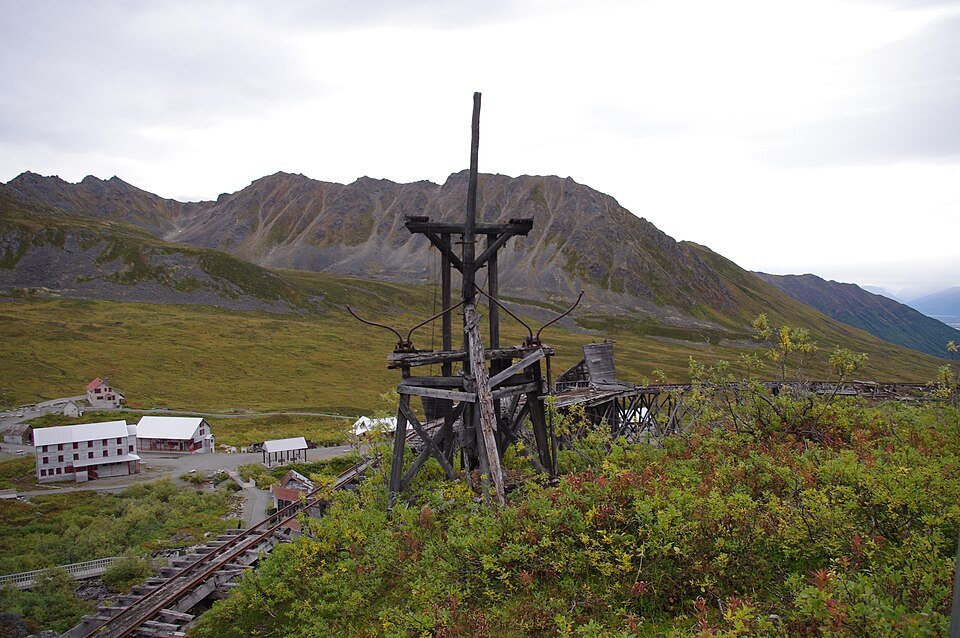
A mining camp frozen in 1950.
Independence Mine State Historical Park sits in the Talkeetna Mountains, across Hatcher Pass from Palmer, Alaska. It is the site of a former gold mining operation, the second largest hard-rock gold mine in the state after a bigger one near Juneau. The miners and the company that followed them built a substantial camp with as many as sixteen wood-frame buildings, originally joined by sheltered wooden tunnels.
When the company stopped work in 1950 it expected to resume one day, and never did. That left an unusually well-preserved collection of mining equipment and buildings, although the weather has since taken a heavy toll on the buildings. The park has a tundra climate.
From early claims to a state park.
Mining here goes back to at least 1897, when claims were active near Fishook Creek. Those early efforts were eventually joined into the Wasilla Mining Company, which worked the mines from 1934 to 1943 and again from 1948 to 1950. The gold occurs in quartz veins along the southern edge of the Talkeetna Batholith.
The camp was listed on the National Register of Historic Places in 1974, and in 1980 the land was donated to the state, which created the historical park. Underground work started again in 1979 under a later operator, which built a new mill and living quarters. It suspended operations in 1982, citing problems recovering gold in the mill. Over time the property has produced more than 165,500 ounces of gold.
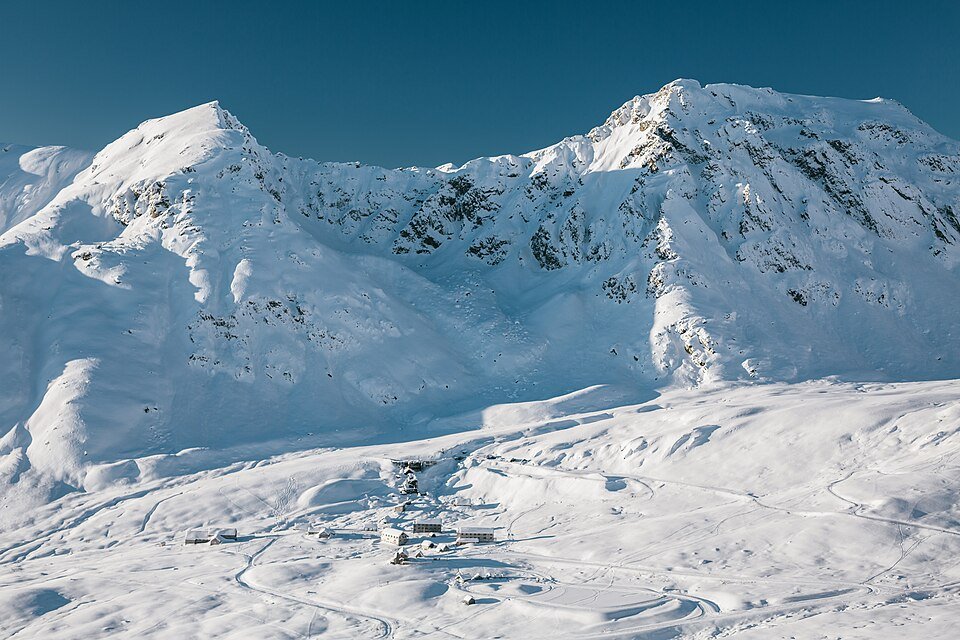
The camp and the pass.


Practical notes.
Before you go.
Where is Independence Mine?
In the Talkeetna Mountains at Hatcher Pass, across the pass from Palmer, Alaska. It is a state historical park.
When was the mine worked?
Mining in the area dates to at least 1897. The Wasilla Mining Company worked the mines from 1934 to 1943 and again from 1948 to 1950, and operations ended in 1950.
Why are the buildings so well preserved?
The company expected to resume work after 1950 and never did, which left the equipment and buildings largely intact. The weather has since damaged the buildings.
Is it a historic site?
Yes. The camp was listed on the National Register of Historic Places in 1974, and in 1980 the land was donated to the state, which created the historical park.
Around Alaska
Walking tours, day trips and experiences around this area, on GetYourGuide.