Hidden · Moundville, Alabama, United States
Moundville Archaeological Site
A ceremonial and political center on the Black Warrior River, with 29 earthen mounds around a great plaza, second in size only to Cahokia.
A city of earthen pyramids on a river bluff.
Moundville sits on the Black Warrior River in Hale County, near Tuscaloosa, Alabama. It was the political and ceremonial center of a Mississippian chiefdom between the 11th and 16th centuries, and the park today covers 185 acres run by the University of Alabama Museums.
The mounds are flat-topped earthen pyramids built in stages, arranged around a rectangular plaza. The largest stand on the northern edge and they get smaller as the ring runs around to the south. Mound B, just north of the central Mound A, rises about 58 feet and has two access ramps. Scholars read the layout as a picture of ranked clans, with the highest-ranking ones on the big northern mounds.
At its height the town covered roughly 300 acres and was protected on three sides by a wooden palisade, with the river bluff guarding the fourth. Moundville is the second-largest site of the classic Middle Mississippian era in the United States, after Cahokia in Illinois.
Rise, decline and a long road to protection.
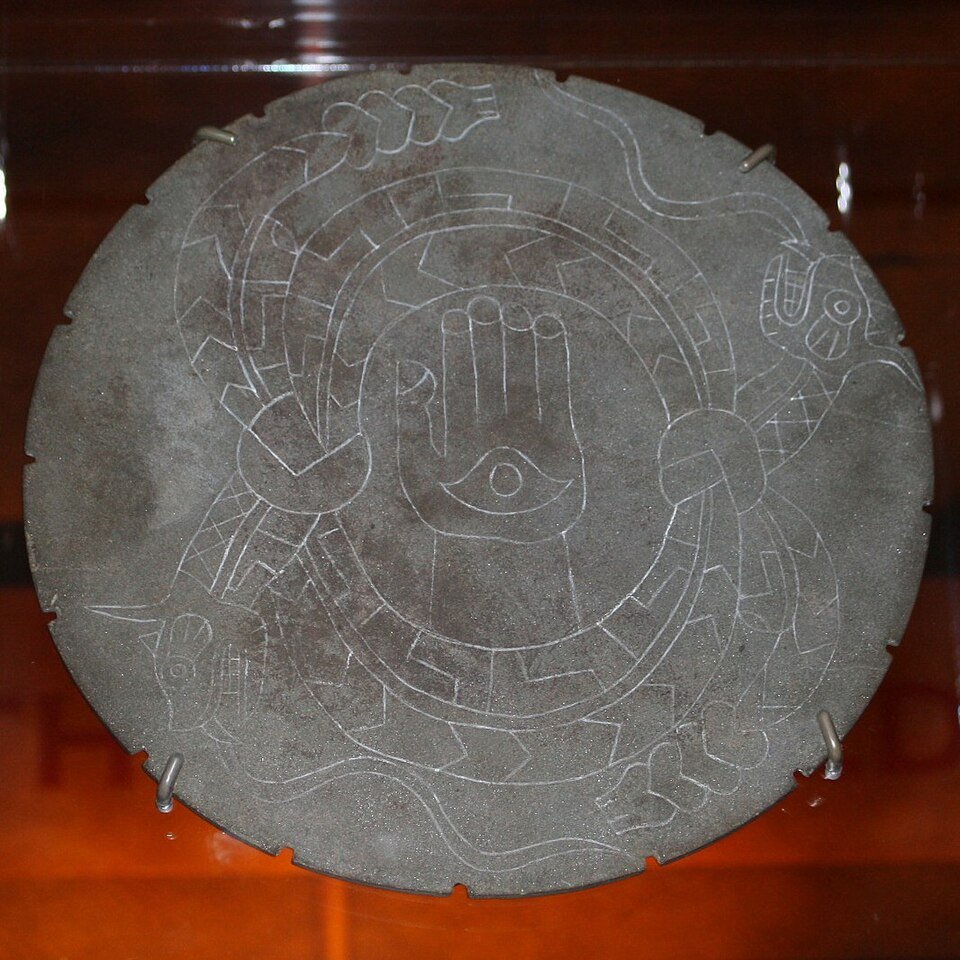
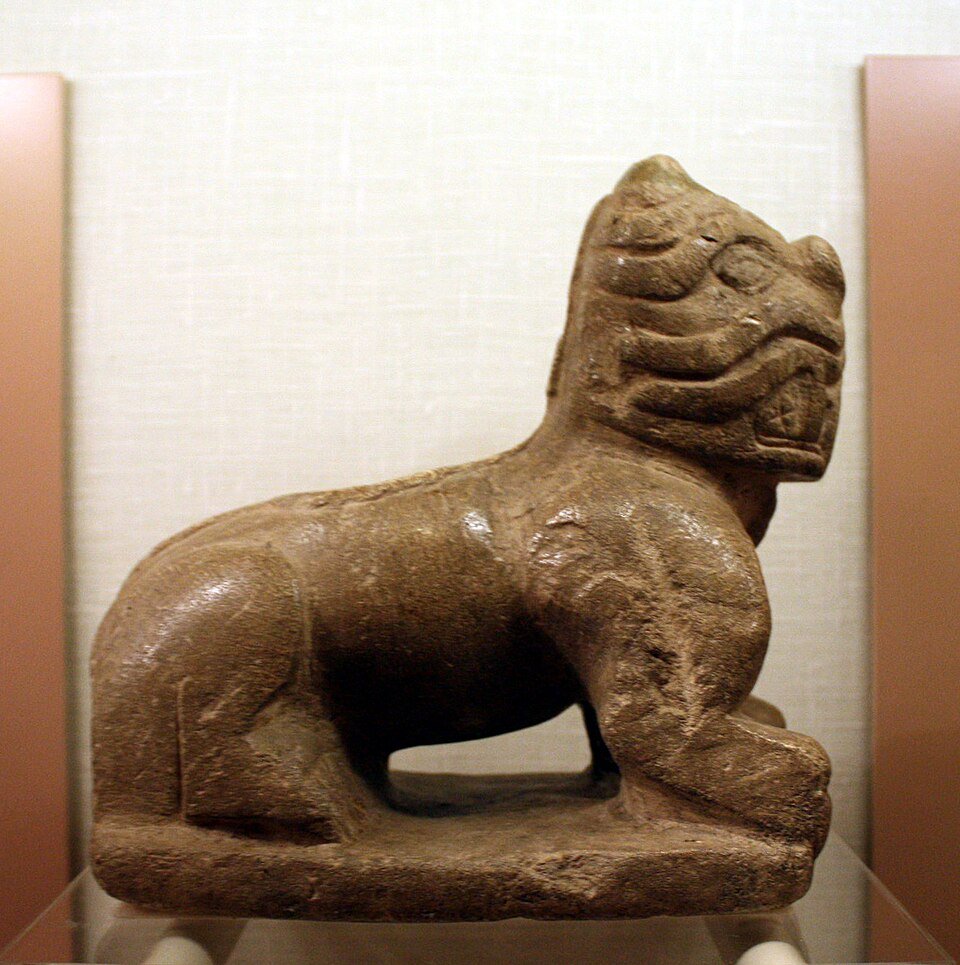
People lived here from about 1000 AD, and around 1150 AD their leaders began to turn a local settlement into a regional center. Most of the public building of the plaza and mounds came after 1200. The people grew maize, traded for copper, mica, galena and marine shell, and left behind pottery, stonework and embossed copper that scholars rank among the finest of the region.
By 1300 the site worked more as a religious and political center than as a town, and mound building ceased in the 14th century. Why people left is not known. By the mid-16th century, when the army of Hernando de Soto passed through the region, Moundville was abandoned. Researchers connect its probable descendants to Muskogean-speaking peoples of the Southeast.
Looting and early digging damaged the mounds in the early 1900s. Local citizens bought the land in the 1920s, and Civilian Conservation Corps crews stabilized the mounds against erosion in the 1930s. The park opened to the public in 1939, with a museum on the grounds, remodeled in 2010. Moundville became a National Historic Landmark in 1964 and joined the National Register of Historic Places in 1966. Questions about the return of human remains and funerary objects to descendant nations are still being worked through.
The mounds and what they left behind.
Practical notes.
Before you go.
How many mounds are at Moundville?
Twenty-nine platform mounds remain around a rectangular plaza. The largest are on the northern side and they get smaller as you go around to the south.
Who built Moundville?
Native people of the Mississippian culture lived here from about 1000 AD to 1450 AD. Researchers link the probable descendants to Muskogean-speaking peoples.
Why did people leave Moundville?
That is not known. The population began to leave in the 14th century and mound building stopped, and by the mid-16th century the site was abandoned.
Is Moundville the same as Cahokia?
No. Cahokia, in Illinois, is the largest site of the classic Middle Mississippian era in the United States. Moundville is the second largest.
Around Alabama
Walking tours, day trips and experiences around this area, on GetYourGuide.